Across continents and centuries, human beings have gathered in circles of firelight, in stone temples, beneath open skies, and inside candlelit sanctuaries to perform rituals that defy simple explanation. These acts—sometimes solemn, sometimes ecstatic, sometimes unsettling—bind communities together and connect individuals to forces they perceive as greater than themselves. Anthropologists, historians, psychologists, and neuroscientists have all tried to decode them. They measure heart rates, study brain scans, trace oral histories, analyze symbols, and compare cultural patterns. Yet some rituals remain stubbornly mysterious. Not because they are irrational, but because they operate in layers—biological, psychological, social, symbolic—that no single explanation can fully contain.
Rituals are structured, symbolic actions performed in specific contexts, often with repetition and shared meaning. From a scientific standpoint, they can regulate emotion, reinforce group identity, create altered states of consciousness, and transmit cultural knowledge. But when you stand in the presence of certain rituals—when you hear the drums echoing through a forest night, when you see bodies pierced without apparent pain, when you watch thousands of devotees move in synchronized devotion—you realize that data alone cannot capture the experience.
Below are nine rituals from around the world that continue to puzzle researchers and observers alike. Each has been studied. Each has plausible explanations. And yet, none can be reduced to a single tidy theory.
1. The Fire-Walking Ceremony of Anastenaria in Greece and Bulgaria
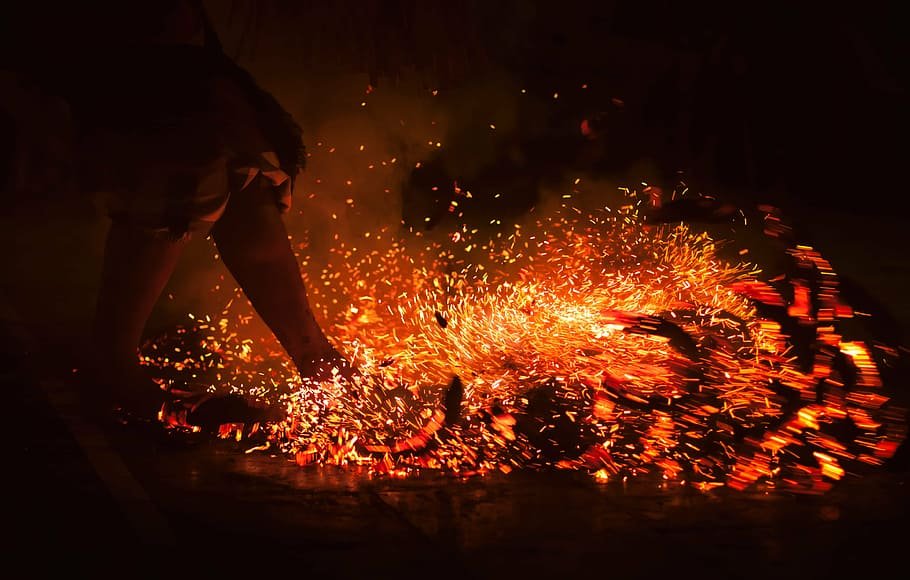
In small villages of northern Greece and southern Bulgaria, a ritual unfolds each year that seems to challenge the very laws of physics. Participants, known as the Anastenaria, walk barefoot across glowing embers during a religious festival honoring Saints Constantine and Helen. The coals are hot enough to burn paper instantly, yet many participants cross them without sustaining serious injuries.
Scientists have studied fire-walking from a thermodynamic perspective. Wood embers, though hot, are poor conductors of heat compared to metals. The brief contact time between foot and coal limits heat transfer. Ash can act as an insulating layer. Moisture on the skin may offer additional protection. From a strictly physical standpoint, fire-walking is possible under certain conditions without catastrophic burns.
Yet this explanation does not fully account for the ritual’s psychological dimension. Participants often enter trance-like states induced by music, dancing, and collective emotion. They describe feelings of possession, spiritual ecstasy, or divine protection. Pain perception is influenced by expectation, stress hormones, and endorphins—natural chemicals that reduce discomfort. Neuroscience confirms that belief and context can significantly alter how the brain interprets pain signals.
Still, even with thermal physics and neurobiology considered, something remains elusive. Why do only certain individuals step onto the coals? Why does the ritual persist across generations despite modernization? The Anastenaria ceremony is not just a test of heat conduction; it is a test of faith, identity, and collective memory.
2. The Thaipusam Piercing Ritual of Batu Caves
Every year during the Hindu festival of Thaipusam, thousands of devotees gather at Batu Caves in Malaysia. Some carry milk pots as offerings. Others perform acts that astonish onlookers: cheeks pierced with skewers, tongues transfixed, skin hooked with small spears attached to elaborate frames called kavadis. Many climb hundreds of steps in this state, seemingly unaffected by pain.
Medical researchers have examined participants before and after the ritual. They have found surprisingly low levels of reported pain and minimal bleeding. Studies suggest that altered states of consciousness, intense focus, rhythmic chanting, and strong religious conviction contribute to analgesia. Stress-induced endorphins and dissociation may play key roles. When individuals interpret their suffering as meaningful sacrifice, the brain’s response to pain shifts dramatically.
The ritual is not random self-harm. It is structured, supervised, and embedded within a deeply symbolic narrative of devotion to Lord Murugan. Participants prepare through fasting and prayer. Social support surrounds them. From a psychological standpoint, this framework transforms what might otherwise be traumatic into a profound spiritual experience.
Yet even with neurochemical explanations, the sight remains startling. How does the mind exert such influence over the body? How does collective belief generate such resilience? Thaipusam demonstrates that human physiology is intertwined with meaning in ways that science continues to explore but cannot fully unravel.
3. The Initiation Rites of the Sateré-Mawé and the Bullet Ant Gloves
In the Amazon rainforest, young men of the Sateré-Mawé undergo an initiation rite that involves placing their hands into woven gloves filled with bullet ants—among the most painful insect stings known. The ants are sedated before being woven into the gloves, but they awaken during the ceremony. Initiates must endure repeated stings without crying out.
From a biological standpoint, bullet ant venom causes intense pain but is not typically life-threatening. The ritual’s structure limits exposure time and reduces long-term harm. Anthropologists interpret the rite as a test of endurance, courage, and readiness for adulthood. It signals to the community that the initiate can withstand hardship.
Pain, in this context, becomes a social language. Neuroscientists note that pain tolerance can be influenced by social expectations and the desire for status. Enduring suffering publicly can strengthen group bonds and confer honor.
Still, the emotional intensity of the ritual cannot be reduced to neurochemistry alone. For the initiate, the experience is transformative. It marks a crossing from childhood into responsibility. For the community, it reaffirms shared values. The mystery lies not in the venom’s chemistry, but in the human capacity to assign meaning to pain and to shape identity through ritual ordeal.
4. The Dancing Plague of 1518 in Strasbourg
In the summer of 1518, a woman in Strasbourg began dancing uncontrollably in the streets. Within days, dozens joined her. Within weeks, hundreds were reportedly dancing for hours or days, some collapsing from exhaustion. Historical records suggest that several may have died from strokes or heart attacks linked to the relentless movement.
Historians and medical researchers have proposed various explanations. Some suggest mass psychogenic illness, where psychological stress manifests as collective physical symptoms. Others have speculated about ergot poisoning from contaminated grain, though evidence remains debated. The region had endured famine and hardship, conditions that can heighten psychological vulnerability.
From a modern perspective, mass psychogenic illness is a well-documented phenomenon. It can spread through social contagion, especially in tightly knit communities under stress. The human brain is highly responsive to social cues; behaviors can propagate rapidly when reinforced by fear, belief, or shared emotion.
Yet the dancing plague remains enigmatic. Why dancing, specifically? Why such intensity? Why did it subside? Without definitive biological evidence, historians rely on fragmentary records. The event stands as a haunting reminder that the boundary between mind and body is porous, and that collective experience can produce extraordinary outcomes.
5. The Oracle of Delphi in Ancient Greece
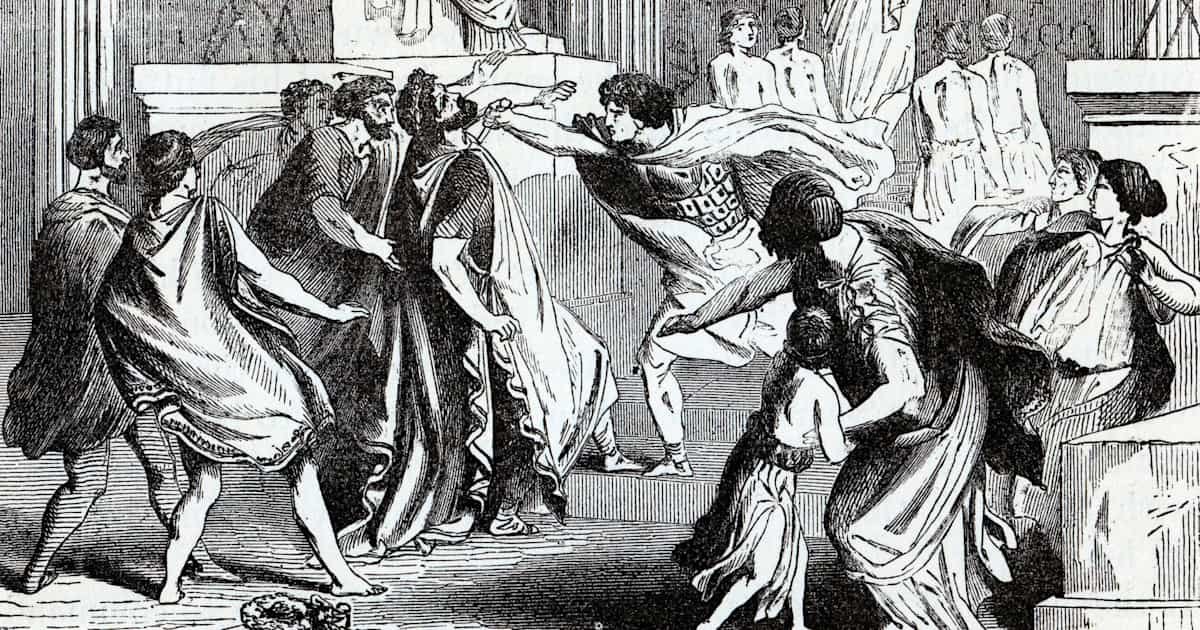
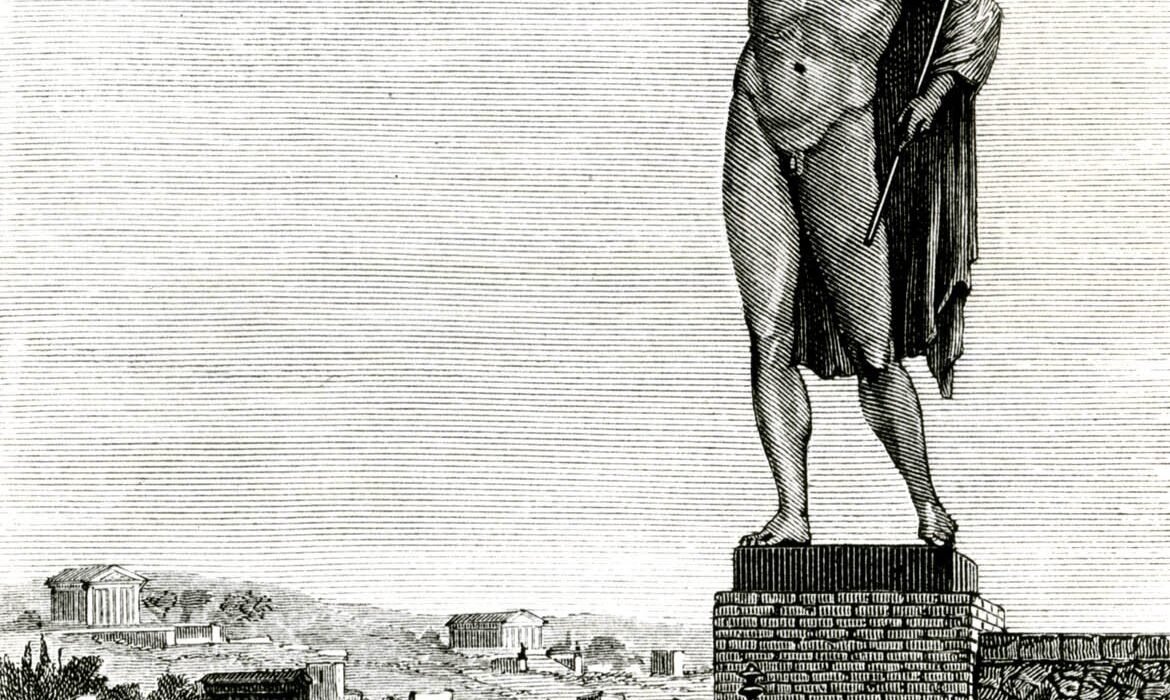
In antiquity, pilgrims traveled from across the Mediterranean to consult the Oracle of Delphi. There, a priestess known as the Pythia delivered cryptic prophecies while seated above a chasm in the temple of Apollo. Ancient writers described her entering trance states, speaking words interpreted by priests.
Modern researchers have investigated geological explanations. Studies suggest that the temple was built over fault lines that may have emitted ethylene or other gases capable of inducing mild euphoria or altered consciousness at low concentrations. Such gases could plausibly have influenced the Pythia’s mental state.
However, geology alone does not explain Delphi’s influence. The oracle’s power lay in social trust. Leaders shaped policies based on her pronouncements. The ambiguity of the prophecies allowed flexible interpretation, increasing their perceived accuracy. Cognitive biases, such as confirmation bias, may have reinforced belief in the oracle’s insight.
Still, even with geological and psychological theories considered, the aura of Delphi persists. For centuries, it was regarded as the navel of the world. The ritual of consultation—journey, purification, sacrifice, question, response—structured uncertainty in a way that gave meaning to political and personal decisions. The mystery lies not only in possible vapors beneath the temple, but in humanity’s enduring desire for guidance from beyond the visible.
6. The Sky Burial of Tibet
High on the Tibetan Plateau, a funerary ritual unfolds that can shock outsiders. In sky burial, the body of the deceased is offered to vultures. Monks chant as the body is ritually dismembered and placed on a mountaintop, where scavenging birds consume it.
From an ecological standpoint, the practice is practical. The rocky terrain makes burial difficult. Wood for cremation is scarce. Offering the body to birds returns nutrients to the ecosystem efficiently. It aligns with Buddhist beliefs about impermanence and the non-attachment to the physical form.
Psychologically, sky burial reframes death. Rather than concealing the body, it acknowledges decomposition openly. It emphasizes the cycle of life and the interdependence of beings. Studies in thanatology, the scientific study of death, suggest that ritualized confrontation with mortality can help communities process grief.
Yet the emotional impact of witnessing a sky burial cannot be captured by ecological reasoning alone. It confronts observers with stark reality. It challenges cultural taboos. It embodies a worldview in which the boundary between life and death is permeable. The mystery here is not supernatural; it is existential.
7. The Night of the Yanomami Reahu Ceremony
Among the Yanomami of the Amazon, funerary rites involve cremating the deceased’s bones, crushing them into powder, mixing them with a fermented plantain soup, and consuming the mixture during a communal ceremony known as reahu. For outsiders, the practice may seem incomprehensible.
Anthropologists interpret this ritual as an act of incorporation. By ingesting the remains, relatives symbolically keep the spirit of the deceased within the community. It transforms grief into continuity. The act is carefully structured and socially regulated.
Biologically, the cremation process reduces pathogens, and the quantity consumed is small. The risk of disease transmission is minimized through ritual handling. From a health perspective, the practice is not inherently hazardous when performed traditionally.
Still, the ritual challenges deeply held assumptions about death and the body. It reveals how cultural frameworks shape what is considered sacred or taboo. The reahu ceremony underscores a central truth: rituals are not arbitrary. They encode values about kinship, memory, and the meaning of life.
8. The Festival of El Colacho in Spain
In the Spanish village of Castrillo de Murcia, a centuries-old festival includes a striking ritual. Men dressed as devils leap over rows of infants lying on mattresses in the street. The act is believed to symbolically cleanse the babies of original sin.
From a safety perspective, the ritual is carefully choreographed. The jumpers are trained. The mattresses cushion impact. Despite the apparent danger, serious injuries are rare. The ritual is embedded in a broader festival context involving community participation and oversight.
Psychologists might interpret the event as a dramatic symbolic gesture that reinforces communal bonds. The leap embodies protection and purification in physical form. Ritualized risk can heighten emotional intensity, making the memory enduring.
Yet even with rational explanations, the image of a masked figure vaulting over infants remains powerful. It evokes ancient archetypes of danger and redemption. The mystery is not whether physics allows a person to jump safely over a row of babies; it is why such a dramatic symbol persists as a meaningful expression of faith.
9. The Kumbh Mela Gathering on the Banks of Ganges River
The Kumbh Mela is among the largest human gatherings on Earth. Millions of pilgrims converge on the Ganges River at astrologically determined times to bathe in its waters. They believe the ritual immersion purifies sins and advances spiritual liberation.
From a sociological perspective, Kumbh Mela is a remarkable demonstration of collective organization. Temporary cities arise with sanitation, transportation, and security infrastructure. Public health experts monitor water quality and disease risks. Studies have examined crowd dynamics and the psychological effects of mass participation.
Immersion in water has universal symbolic resonance. Water cleanses physically; in ritual contexts, it cleanses morally or spiritually. Neuroscientific research suggests that shared synchronized activity can increase feelings of unity and reduce stress. Large gatherings can produce a sense of transcendence through collective effervescence—a term coined by sociologist Émile Durkheim to describe the emotional energy generated in communal rituals.
Yet standing amid millions chanting along the riverbank, statistics fade. The sheer scale defies comprehension. Individuals report profound personal transformation. The mystery lies not in the hydrology of the river, but in the human capacity to find renewal through shared symbolic action.
Why Rituals Resist Simple Explanation
Each of these rituals can be approached scientifically. Physics explains fire-walking. Neuroscience explores pain modulation. Psychology examines trance states and group dynamics. Anthropology interprets symbols and social functions. Ecology clarifies environmental adaptations. History contextualizes events.
And yet, none of these disciplines alone can exhaust the meaning of a ritual. Ritual operates at the intersection of body and belief, individual and community, biology and culture. It can regulate emotion, encode memory, reinforce identity, and structure uncertainty. It can create altered states of consciousness that feel profoundly real to participants.
Human beings are meaning-making creatures. We do not experience the world as raw data; we interpret it through stories, symbols, and shared narratives. Ritual is one of the oldest tools for shaping those narratives. It transforms ordinary actions—walking, bathing, eating, dancing—into acts charged with significance.
Scientific accuracy does not require stripping rituals of their mystery. On the contrary, understanding the mechanisms behind them often deepens the wonder. Knowing how endorphins dull pain does not diminish the courage of a fire-walker. Understanding social contagion does not erase the haunting power of the dancing plague. Recognizing ecological logic in sky burial does not remove its emotional gravity.
The phrase “no one can fully explain” does not mean these rituals are beyond reason. It means that human experience cannot be reduced to a single variable. The mind is not separate from the body. Culture is not separate from biology. Meaning is not separate from matter.
The Science of Awe and the Human Need for Mystery
Research in psychology suggests that experiences of awe—moments when we encounter something vast that challenges our understanding—can alter perception, increase generosity, and shift our sense of self. Many rituals are engineered, consciously or unconsciously, to evoke awe. They involve scale, intensity, symbolism, and shared emotion.
Rituals also provide structure in times of uncertainty. Birth, puberty, marriage, illness, death—these transitions can feel chaotic. Ritual creates order. It marks beginnings and endings. It reassures participants that they are not alone.
Perhaps the deepest mystery of ritual is this: why do human beings everywhere, across cultures and eras, create them? The forms vary dramatically, but the impulse is universal. Evolutionary psychologists suggest that rituals may enhance group cohesion and cooperation, increasing survival. Cultural evolution theories propose that practices promoting unity are more likely to persist.
Yet even these theories do not capture the subjective experience—the trembling before stepping onto hot coals, the silence before immersion in sacred water, the collective breath held during a leap over infants. Ritual is lived, not merely analyzed.
The Living Question
In a world increasingly dominated by data and technology, ancient rituals continue. They adapt, transform, sometimes fade, sometimes revive. Scientists study them with respectful curiosity. Participants perform them with devotion, courage, or reverence.
The mysteries surrounding these nine rituals are not gaps waiting to be closed by a single grand theory. They are reminders that human behavior is layered and multidimensional. To understand ritual fully would require understanding consciousness, culture, emotion, and history in their entirety.
Physics can explain heat transfer. Biology can explain venom. Psychology can explain trance. Sociology can explain mass gatherings. But the moment when an individual steps into the fire, pierces the skin, dances without stopping, or immerses in sacred waters—that moment lives at the convergence of knowledge and meaning.
And perhaps that is where the deepest mystery lies.