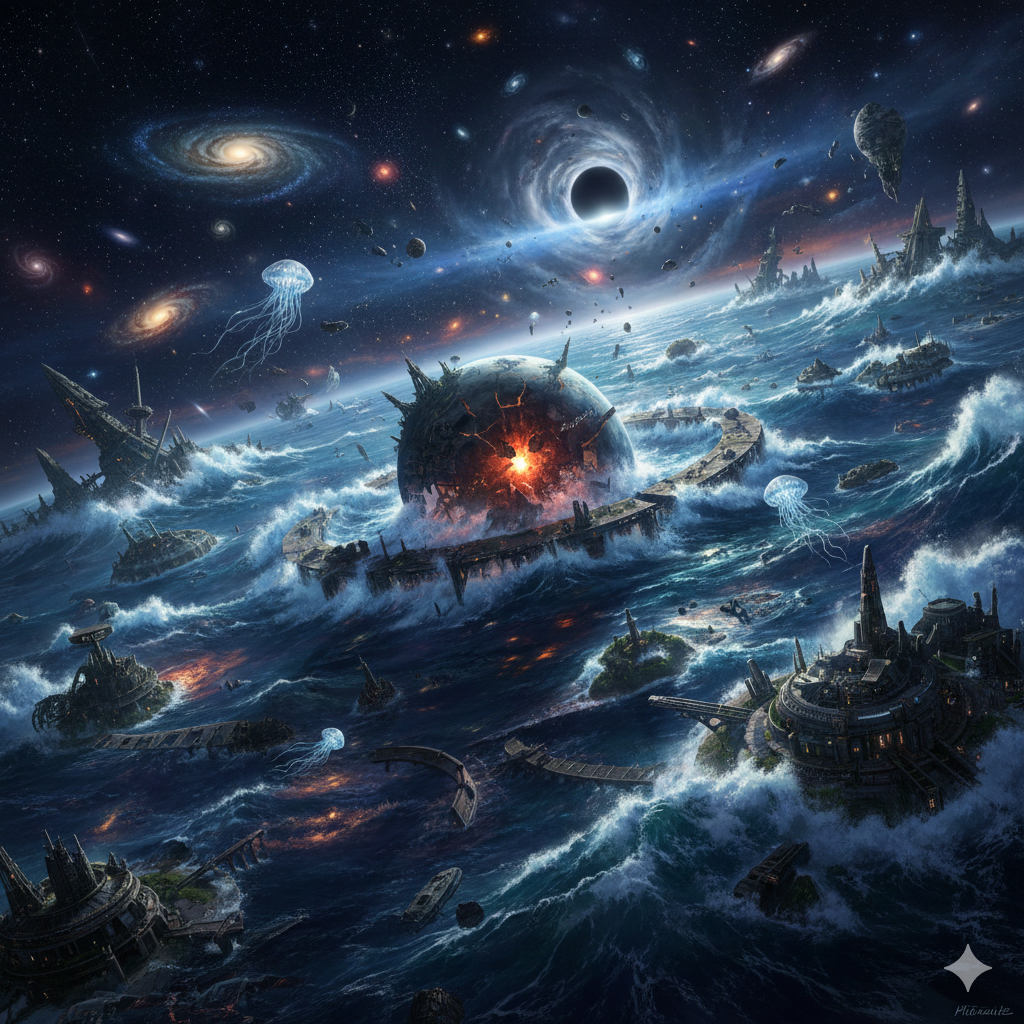
Long before humans traced coastlines on maps or imagined the sea as a boundary between lands, Earth itself was a water world in constant flux. Ancient seas did not merely lap at the edges of continents; they advanced, retreated, deepened, and vanished, swallowing entire worlds in the process. These oceans were not static backdrops but active forces that shaped the planet’s surface, climate, and life. To understand Earth’s deep past is to understand these seas—not as passive waters, but as powerful agents of transformation that erased landscapes, buried ecosystems, and rewrote the story of life again and again.
The phrase “ancient seas” evokes images of shallow tropical waters filled with strange creatures, but the reality is far more dramatic. Some seas covered nearly all the land on Earth. Others surged suddenly, drowning forests, plains, and entire continental interiors. Their rise and fall determined which species thrived, which vanished, and which would eventually give rise to the modern biosphere. These were not isolated events but recurring chapters in a long planetary saga.
A Planet Born from Water and Fire
Earth’s relationship with water began almost as soon as the planet itself formed. In its infancy, Earth was a molten world bombarded by asteroids and comets. As the surface cooled, water vapor condensed and rain fell for thousands of years, filling the lowest basins and forming the first oceans. These early seas were likely global, covering nearly the entire planet, leaving only scattered volcanic islands rising above the surface.
From the very beginning, oceans defined Earth’s character. Water moderated temperature, shaped the atmosphere, and provided a stable environment where the first life could emerge. Yet these early seas were not gentle. They interacted with volcanic activity, tectonic upheaval, and meteor impacts, constantly changing their depth and chemistry. Entire crustal regions formed beneath water, only to be later lifted into mountains or broken apart and submerged again.
The Rise and Fall of Ancient Continental Seas
As Earth’s crust cooled and thickened, continents began to form. But these early landmasses were low-lying and vulnerable. Changes in sea level—driven by tectonic movements, volcanic activity, and shifts in climate—caused oceans to repeatedly flood continental interiors. These vast inland seas transformed continents into archipelagos and drowned landscapes that had once been dry land.
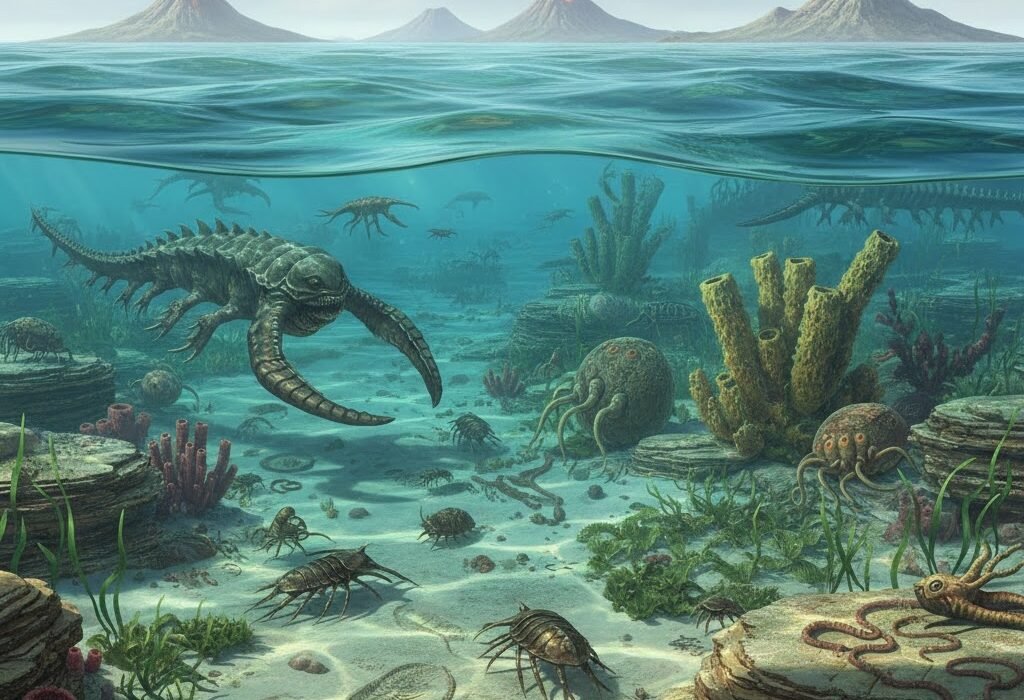
One of the most striking examples occurred during the Paleozoic Era, when shallow seas spread across what are now North America, Europe, and parts of Asia. These seas were warm, sunlit, and rich with life. Coral reefs flourished far from modern coastlines. Trilobites crawled across seafloors that now lie beneath deserts and mountains. Entire ecosystems thrived in places that today are hundreds of kilometers from the nearest ocean.
These continental seas did not last forever. As tectonic plates shifted and sea levels fell, the waters retreated, leaving behind thick layers of marine sediments. Limestone cliffs, fossil-rich rocks, and ancient reef structures are silent witnesses to worlds that once lay beneath waves.
When the Sea Swallowed the Land
There were moments in Earth’s history when the advance of the sea was sudden and catastrophic. Rapid sea-level rise could occur when polar ice melted or when tectonic changes altered the shape of ocean basins. In such events, low-lying regions disappeared beneath water in geological instants, transforming forests into seabeds and turning rivers into submerged valleys.
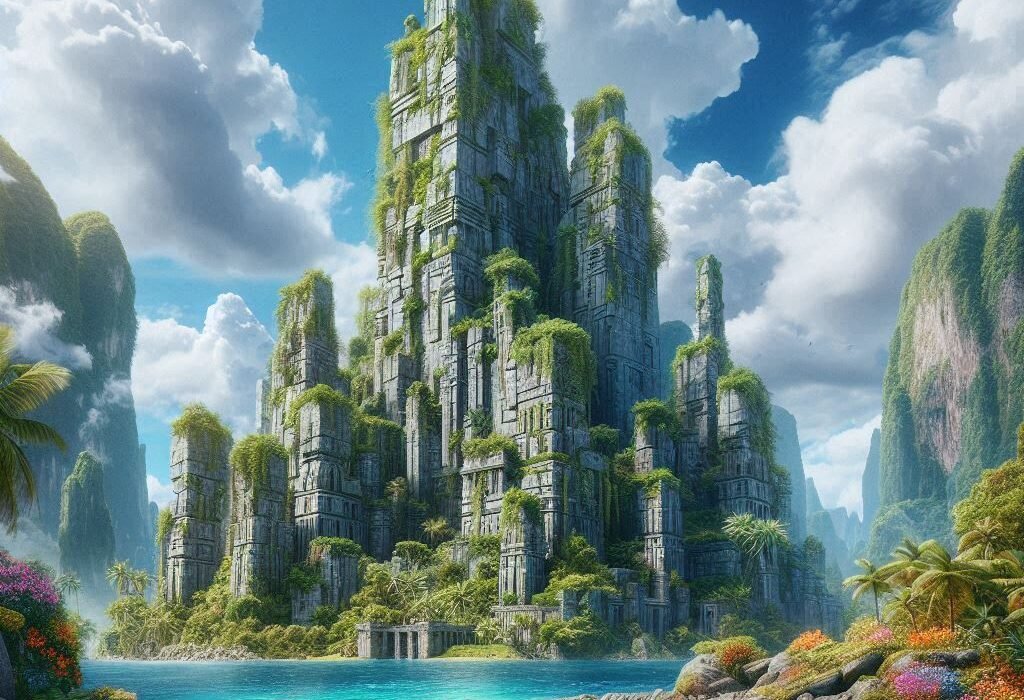
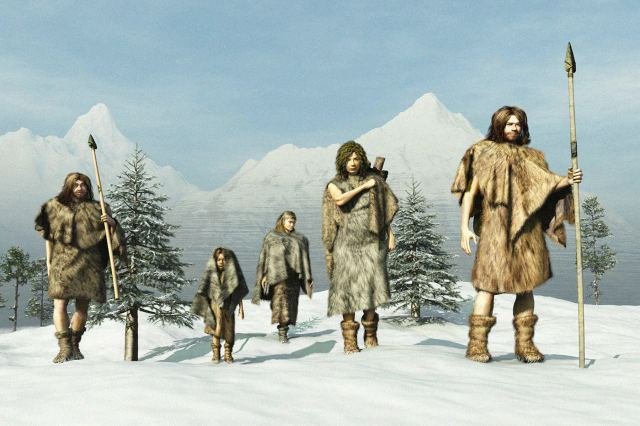
One dramatic example comes from the late Ice Age, when melting glaciers caused global sea levels to rise by more than a hundred meters. Vast coastal plains were drowned, including regions that once connected continents. What is now the North Sea was once a fertile land known as Doggerland, home to animals and early humans. As the sea rose, this world vanished beneath the waves, its memory preserved only in sediments and scattered artifacts dredged from the seabed.
Similar events occurred many times in deeper history, long before humans existed. Entire terrestrial ecosystems were erased, their remains buried and transformed into fossil records that scientists now study to reconstruct lost worlds.
The Tethys Ocean and the Vanished Tropical World
Among the most influential ancient seas was the Tethys Ocean, a vast tropical body of water that existed for hundreds of millions of years. It separated the northern continents from the southern supercontinent Gondwana and played a crucial role in shaping global climate and marine life.
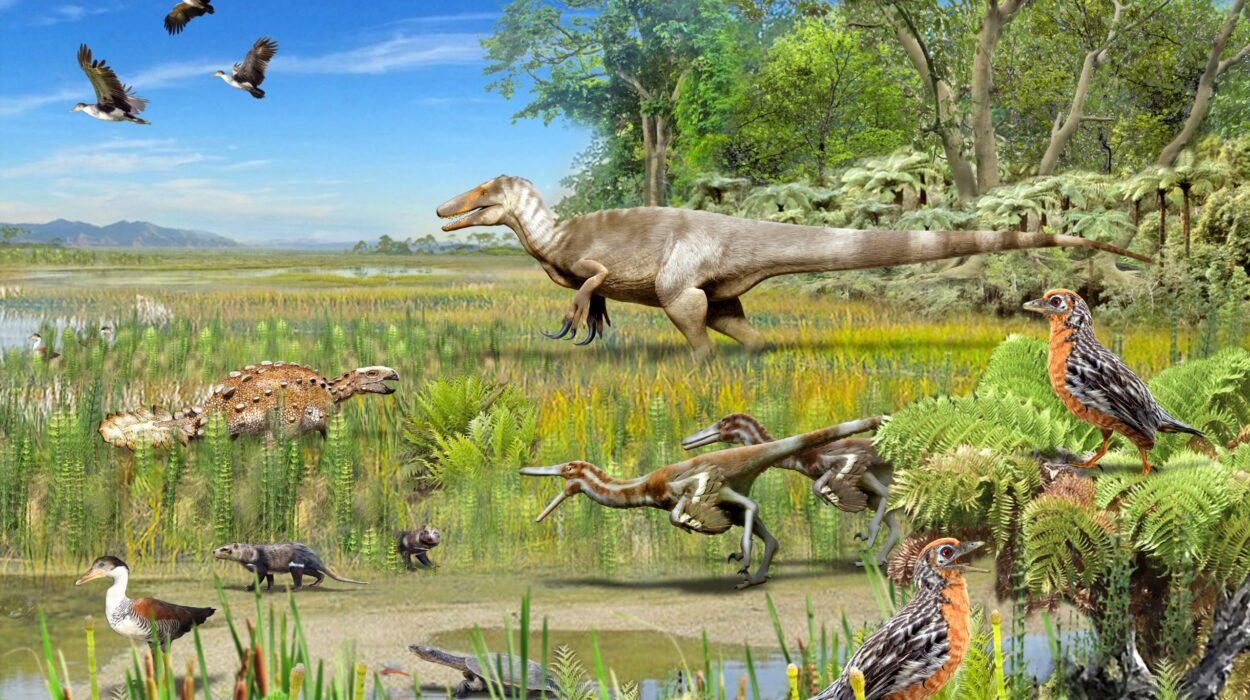
The Tethys was warm, shallow in many places, and extraordinarily rich in biodiversity. Coral reefs stretched across its margins, and marine reptiles cruised its waters during the age of dinosaurs. Over time, tectonic forces closed this ocean as continents collided. Its waters were squeezed out of existence, lifted into mountains, or transformed into smaller seas like the Mediterranean.
The disappearance of the Tethys did not happen quietly. As land rose and seas retreated, marine ecosystems collapsed or adapted, while new terrestrial environments emerged. The Himalayas themselves are partly composed of sediments that once lay on the floor of this ancient ocean—a reminder that seas can become mountains, and worlds beneath waves can be thrust into the sky.
Ancient Seas as Cradles of Life
While ancient seas destroyed worlds, they also created them. Life on Earth began in the ocean, and for billions of years, seas were the only habitable environments on the planet. Even after life colonized land, oceans remained the primary drivers of evolution.
Shallow seas, in particular, were evolutionary hotspots. Sunlight penetrated these waters, fueling photosynthesis and supporting complex food webs. Reefs formed natural laboratories of evolution, where competition and cooperation drove rapid diversification. Many major groups of animals first appeared or diversified in these marine environments before some eventually ventured onto land.
Yet these same seas could become agents of extinction. Changes in sea chemistry, temperature, or oxygen levels could turn thriving ecosystems into dead zones. Ancient seas sometimes became stagnant, deprived of oxygen, leading to mass die-offs that reshaped life on Earth.
Anoxic Oceans and the Great Dying
One of the most devastating episodes linked to ancient seas occurred at the end of the Permian Period, around 252 million years ago. Known as the Great Dying, this event wiped out the majority of marine species and a large proportion of life on land.
Evidence suggests that vast portions of the oceans became anoxic, meaning they lacked oxygen. In these suffocating seas, complex life could not survive. Toxic gases may have accumulated, further poisoning marine ecosystems. Entire reef systems collapsed, and the oceans themselves became hostile environments.
This catastrophe was not caused by a single factor but by a combination of volcanic activity, climate warming, and changes in ocean circulation. It demonstrates how intimately life is tied to the state of the seas—and how changes in the oceans can swallow entire biological worlds, leaving only fragments behind.
Seas That Shaped Climate and Atmosphere
Ancient seas did more than host life; they regulated Earth’s climate. Oceans absorb heat, store carbon, and influence atmospheric circulation. Changes in the extent and depth of seas could alter global temperatures and even the composition of the atmosphere.
During periods when seas flooded large continental areas, shallow waters absorbed sunlight and warmed the planet. When seas retreated and ice expanded, Earth cooled. Over millions of years, these processes contributed to cycles of greenhouse and icehouse climates that defined different geological eras.
The chemistry of ancient seas also played a role in shaping the air we breathe. Early oceans helped regulate oxygen levels through interactions with microorganisms. The rise of oxygen in Earth’s atmosphere—a turning point in planetary history—was closely tied to biological activity in ancient seas.
Fossil Worlds Beneath Our Feet
One of the most haunting aspects of ancient seas is that their remains are everywhere around us. Walk across limestone hills, chalk cliffs, or fossil-rich quarries, and you are walking across the floors of vanished oceans. Shells, corals, and microscopic organisms are preserved in rock, frozen moments of ancient marine life.
These fossils allow scientists to reconstruct worlds that no longer exist. They reveal what lived in ancient seas, how ecosystems functioned, and how they responded to environmental change. Each fossil is a message from a drowned world, carried across millions of years.
In some regions, entire cities are built from stone formed in ancient seas. Buildings, monuments, and roads are constructed from the compressed remains of marine organisms, an unintentional testament to the oceans that once ruled the land.
The Emotional Weight of Lost Oceans
There is something profoundly moving about the idea of ancient seas swallowing entire worlds. These were not abstract spaces but real environments filled with life, complexity, and beauty. Forests became seabeds. Reefs became mountains. Ecosystems flourished and vanished without memory or witness.
For humans, who measure time in years and centuries, the scale of these events is almost impossible to grasp. Yet they remind us that Earth is not static. The ground beneath our feet has been ocean floor before, and it may be again in some distant future.
This realization can inspire both humility and wonder. Humility, because human civilizations are brief compared to geological time. Wonder, because we are capable of uncovering these lost worlds through science, imagination, and careful study.
Modern Seas and Ancient Lessons
Today’s oceans are descendants of those ancient seas. They carry the legacy of billions of years of change, adaptation, and resilience. By studying ancient seas, scientists gain insight into how modern oceans might respond to climate change, sea-level rise, and shifts in chemistry.
The past shows that seas can rise dramatically, ecosystems can collapse, and recovery can take millions of years. It also shows that life persists, adapts, and diversifies in unexpected ways. Ancient seas swallowed worlds, but they also laid the groundwork for new ones.
Understanding this deep history gives modern humanity a broader perspective on its relationship with the planet. The oceans are not just resources or borders; they are dynamic systems with the power to reshape Earth itself.
A Planet Forever Changed by Water
The story of ancient seas is the story of Earth. It is a tale of advance and retreat, creation and destruction, stability and chaos. These seas erased landscapes, buried ecosystems, and transformed continents, yet they also nurtured life and shaped the conditions that made humanity possible.
Worlds have been swallowed before, not by mythic floods but by slow, relentless processes governed by physics, chemistry, and time. The rocks beneath us, the fossils within them, and the mountains that rise from former seabeds all testify to this truth.
In the end, ancient seas remind us that Earth is alive in its own way, constantly reshaping itself. They whisper of worlds long gone, of oceans where land now stands, and of a planet whose greatest force has always been change.