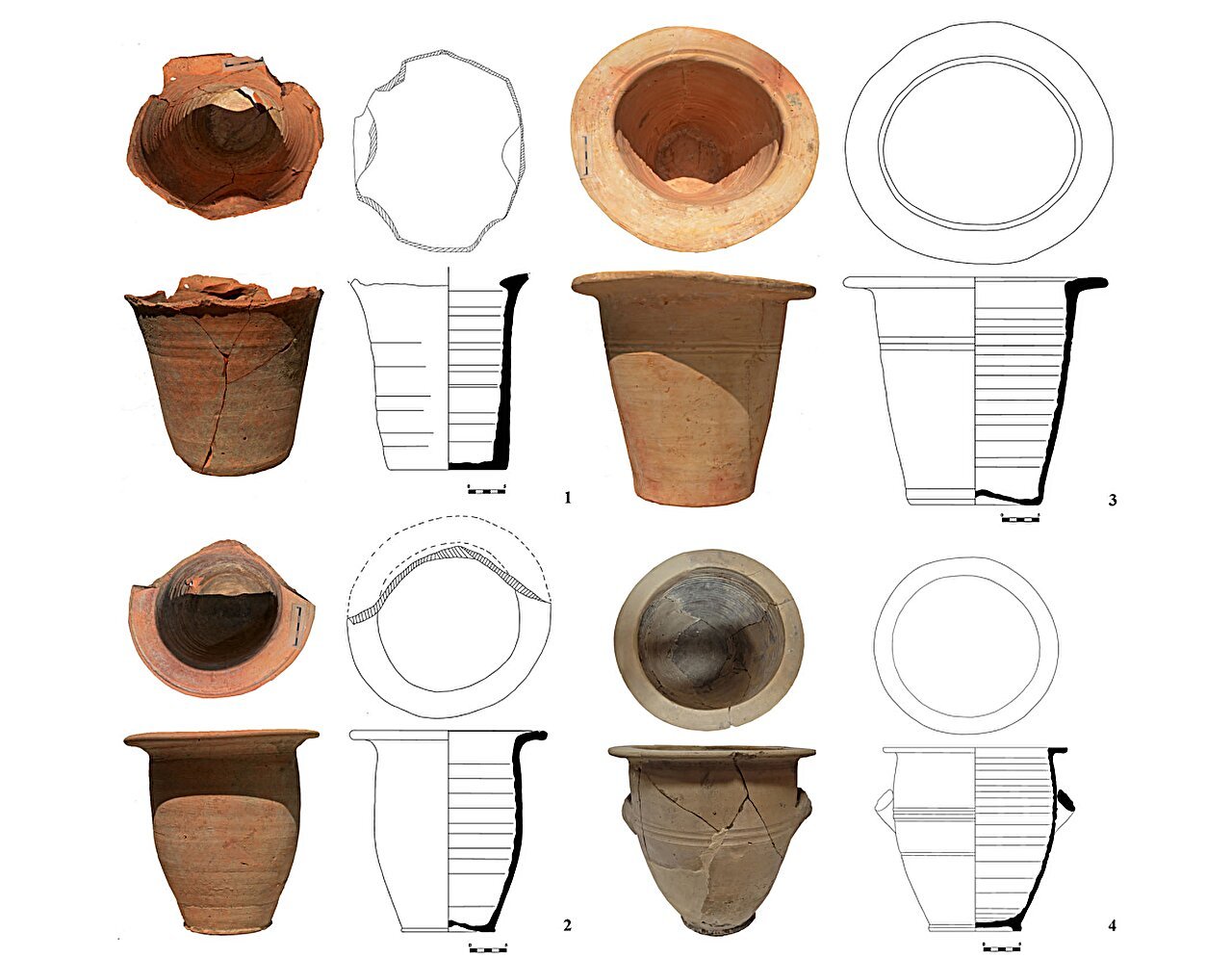
Ancient waste preserved in Roman toilets has uncovered evidence of parasites that infected people living nearly 2,000 years ago. Researchers found tapeworms, disease-causing protozoa, and the earliest reliable evidence of Cryptosporidium in the Mediterranean region, offering a rare glimpse into the health challenges faced by residents of the Roman province of Moesia Inferior.
Sometimes the most revealing archaeological discoveries come from the least glamorous places. By examining mineralized remains of human waste preserved inside Roman toilets, researchers have reconstructed a hidden chapter of everyday life in the ancient world—one marked by intestinal parasites, contaminated water, and persistent disease.
The study focused on the Roman province of Moesia Inferior, where scientists analyzed residues dating from the 2nd to 4th centuries CE. The findings were published in npj Science Heritage and shed new light on the health of people living along the lower Danube while challenging previous assumptions about the history of one important parasite.
Ancient Toilets Become Windows Into the Past
Modern scientific techniques have transformed archaeological research, allowing scientists to investigate details of daily life that would have been impossible to study just a few decades ago. One field benefiting from these advances is paleoparasitology, the study of ancient parasites preserved in archaeological materials.
Researchers from Poland turned their attention to sites at Novae and Marcianopolis, located near present-day Svishtov in Bulgaria. These settlements once served as important Roman centers, including a major legionary camp and frontier stronghold.
Beginning in 2022, the team collected samples from preserved Roman toilets and chamber pots. Over nearly two millennia, human urine and feces had hardened into mineralized deposits attached to ceramic surfaces.
These deposits effectively preserved microscopic traces of ancient life, creating an unexpected archive of human health.
Carefully Extracting Clues From Ancient Waste
To recover evidence of parasites, researchers meticulously scraped material from two key areas inside the vessels.
The inner walls contained residues left behind by splashed liquid waste, while the bottoms held layers where solid waste and minerals had accumulated over time. These hardened deposits were then rehydrated and passed through ultra-fine sieves to separate potential parasite remains from surrounding material.
Scientists examined the resulting samples under microscopes at 400× magnification, searching for eggs and other microscopic traces.
However, identifying ancient parasites is not always straightforward. Many species leave behind remains that appear nearly identical under a microscope. To overcome this challenge, the team combined traditional examination with ancient DNA (aDNA) analysis, allowing them to distinguish between closely related organisms.
They also employed ELISA, a laboratory technique that uses antibodies to detect specific parasite proteins. When a target protein is present, a chemical reaction causes a visible color change, helping researchers identify parasites that might otherwise remain undetected.
Discovery of Cryptosporidium Changes the Historical Record
The study’s most striking finding was the widespread detection of Cryptosporidium, a protozoan parasite known for causing gastrointestinal illness.
Researchers identified evidence of the parasite in most of the samples they analyzed. Because Cryptosporidium’s remains are fragile and can easily degrade over centuries, the use of ELISA proved especially valuable in confirming its presence.
The discovery is significant because it represents the earliest reliable evidence of Cryptosporidium in the Mediterranean region.
Until now, the parasite had been thought to have originated in Central America. The new findings indicate that Cryptosporidium was present in this part of Europe nearly two thousand years ago, expanding the known historical record of the organism.
Evidence of Multiple Disease-Causing Parasites
Cryptosporidium was not the only unwelcome guest identified in the ancient samples.
Researchers also detected Entamoeba histolytica, the protozoan responsible for amoebic dysentery, a severe intestinal illness that can cause significant gastrointestinal distress.
In addition, the team found tapeworm eggs, suggesting that some residents may have consumed raw or undercooked meat contaminated with parasites. The findings point to beef or pork as likely sources of infection.
Together, these discoveries paint a picture of a population regularly exposed to organisms capable of causing abdominal pain, diarrhea, weakness, and other health problems.
Two Cities, Two Different Health Stories
One of the most intriguing aspects of the research was the contrast between the two Roman settlements.
At Novae, many samples contained abundant evidence of parasites. Researchers suggested that contaminated water from the Danube River or polluted aqueduct systems may have contributed to the spread of infections among residents.
The situation appeared very different in Marcianopolis. Samples collected from a workshop there showed no detectable signs of parasites.
According to the researchers, this difference may reflect access to cleaner water supplies, potentially from four natural springs, or even differences in diet and living conditions. While the exact reasons remain uncertain, the contrast highlights how environmental conditions and infrastructure could significantly influence public health even in the Roman era.
Why This Matters
Ancient parasites are more than archaeological curiosities. They provide direct evidence of how infectious diseases affected human populations long before modern medicine existed.
By uncovering the earliest reliable Mediterranean evidence of Cryptosporidium, alongside traces of Entamoeba histolytica and tapeworms, this study expands our understanding of the diseases that circulated in Roman communities nearly 2,000 years ago.
The findings also demonstrate how advances in ancient DNA analysis and protein detection techniques can reveal details that traditional archaeology alone cannot uncover. As researchers continue examining preserved biological remains from the past, they are building a clearer picture of how parasites spread, how people interacted with their environments, and how infectious diseases evolved over time.
That deeper understanding of humanity’s long relationship with disease may ultimately help scientists better trace the history and development of infections that continue to affect people today.