Secrets of the Lost City of Petra

Hidden among the rugged canyons and sun-scorched sands of southern Jordan lies one of the most mesmerizing remnants of the ancient world—a city carved into rose-colored cliffs, known today as Petra. Revered for its architectural grandeur and wrapped in layers of mystery, Petra is not just a ruin—it is a riddle, a ghost of a … Read more

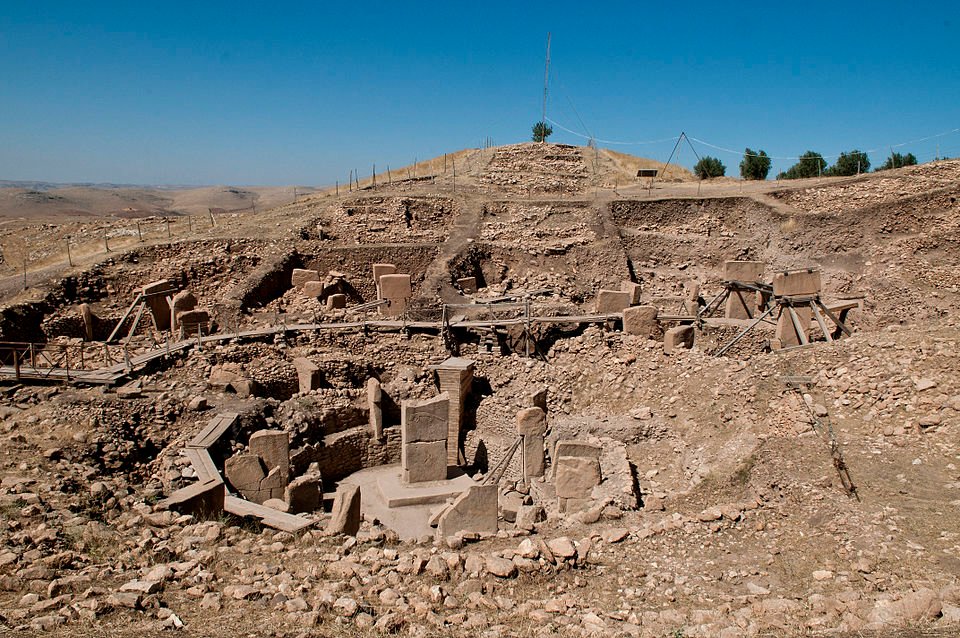
The Mysterious Fall of the Indus Valley Civilization

Long before the Roman Empire etched its legacy into marble or the Pharaohs of Egypt laid down pyramids in the sand, another mighty civilization thrived on the plains of South Asia. Sprawled across what is today Pakistan, northwest India, and parts of Afghanistan, the Indus Valley Civilization (IVC)—also known as the Harappan Civilization—emerged around 3300 … Read more

Lost Civilizations That Time Forgot

The earth is a palimpsest—a massive scroll constantly rewritten by time, nature, and humanity. Beneath layers of soil, stone, and ocean lie civilizations long buried and barely remembered. These are the forgotten worlds, the once-great peoples whose cities crumbled into ruin, whose languages dissolved into silence, and whose identities remain obscured by the sands of … Read more

Mao Zedong

Mao Zedong (1893-1976) was a Chinese revolutionary leader and the founding father of the People’s Republic of China. As the leader of the Chinese Communist Party (CCP), Mao played a central role in the Chinese Revolution, leading his forces to victory in the Chinese Civil War against the Nationalists in 1949. His ideas, known as … Read more

Gregory G. Pincus

Gregory G. Pincus (1903-1967) was an American biologist and endocrinologist who played a pivotal role in the development of the first oral contraceptive pill, revolutionizing reproductive health and women’s rights. Pincus specialized in hormonal research and, in collaboration with Margaret Sanger and Katharine McCormick, conducted groundbreaking work on the synthesis of synthetic hormones that could … Read more

Enrico Fermi

Enrico Fermi (1901-1954) was an Italian-American physicist renowned for his groundbreaking contributions to nuclear physics and quantum theory. He is best known for developing the first nuclear reactor, the Chicago Pile-1, in 1942, which marked the initiation of controlled nuclear chain reactions. This achievement was a crucial step in the Manhattan Project, leading to the … Read more

Winston Churchill

Winston Churchill (1874–1965) was a British statesman, military leader, and writer who served as Prime Minister of the United Kingdom during two critical periods: World War II and the early years of the Cold War. Churchill is best known for his steadfast leadership and stirring oratory, which inspired the British people to endure and resist … Read more

Martin Luther King Jr.

Martin Luther King Jr. (1929–1968) was a prominent American civil rights leader, Baptist minister, and advocate for nonviolent social change. Born in Atlanta, Georgia, King became the most visible spokesperson for the Civil Rights Movement in the 1950s and 1960s, working to end racial segregation and promote equality in the United States. He is best … Read more

John F. Kennedy

John F. Kennedy (1917-1963) was the 35th President of the United States, serving from January 1961 until his assassination in November 1963. A member of the Democratic Party, Kennedy was the youngest person ever elected to the presidency at age 43. His administration is noted for its emphasis on Cold War diplomacy, including the Cuban … Read more

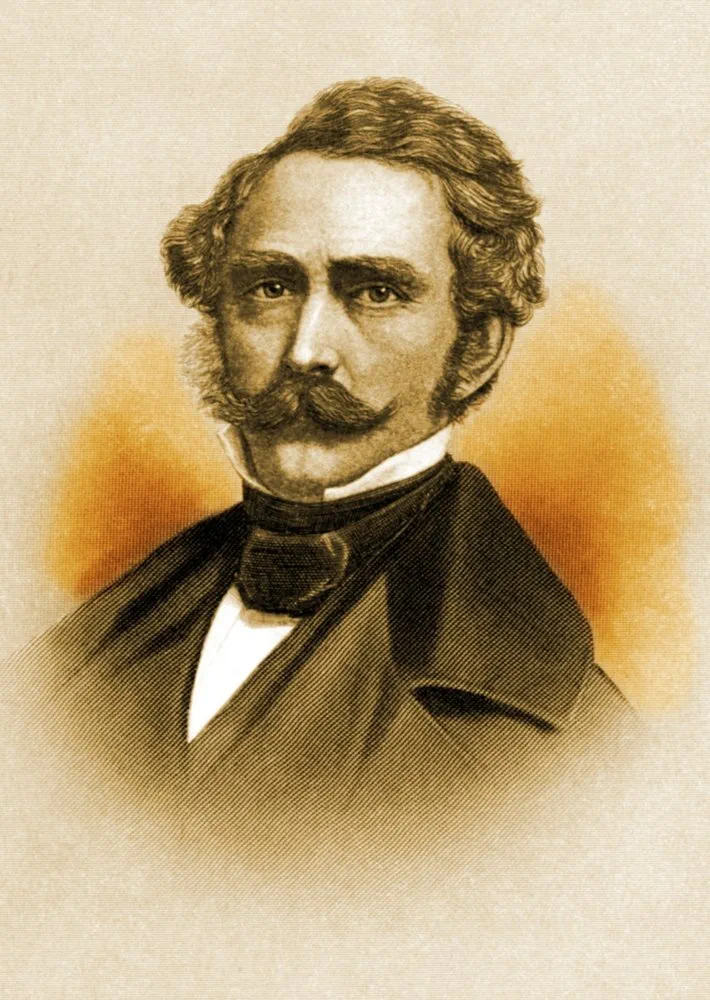
William T. G. Morton

William T. G. Morton (1820–1868) was an American dentist and pioneering figure in the field of anesthesia. Morton is best known for his successful public demonstration of ether anesthesia on October 16, 1846, at Massachusetts General Hospital, which marked a significant advancement in surgical practice. Prior to this breakthrough, surgical procedures were often performed without … Read more