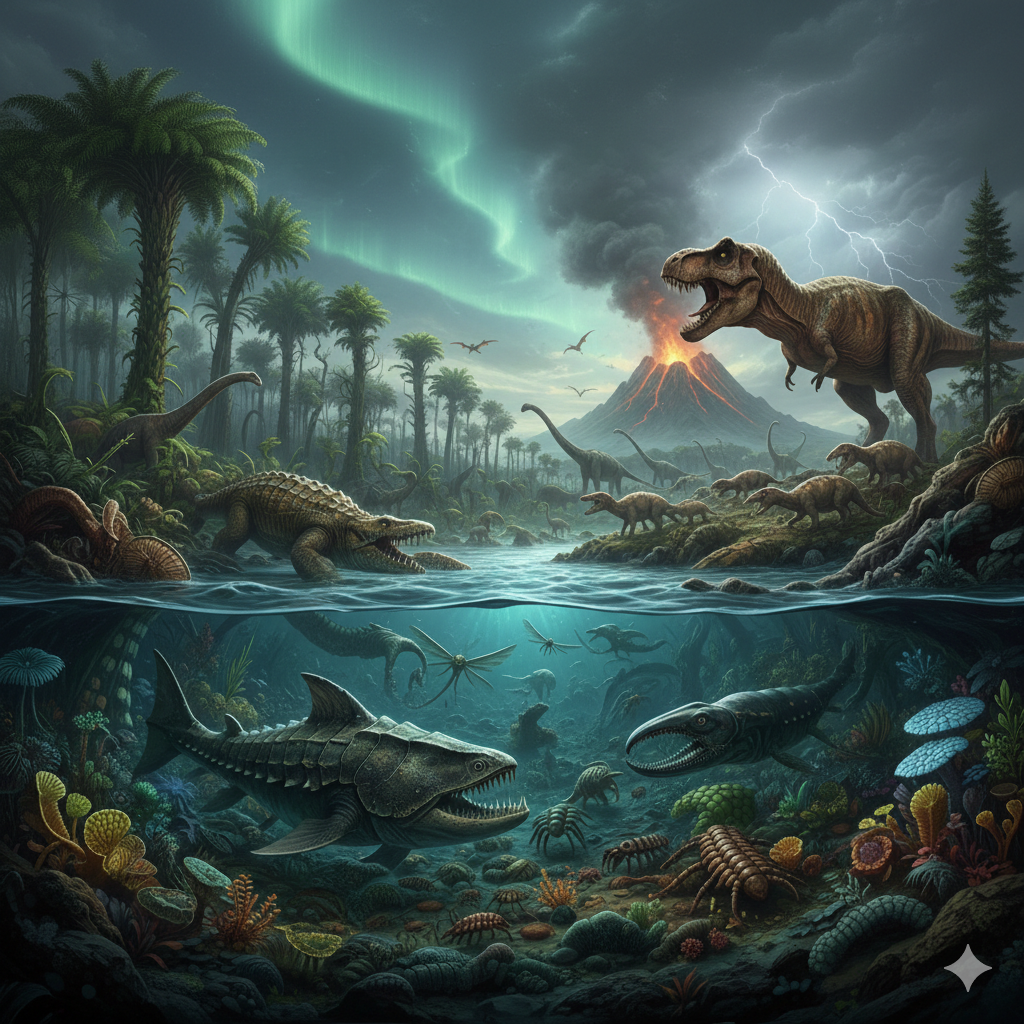
Long before calendars, clocks, or even the concept of recorded history existed, Earth was already alive with motion, struggle, and wonder. The planet we inhabit today is the result of an unimaginably long story, written not in words but in stone, bone, and fossilized traces of life that flourished when time itself was not yet measured by human minds. These were the creatures that thrived before time was counted, beings that lived in worlds so ancient that even the continents looked unfamiliar, the skies breathed differently, and survival followed rules unlike anything we know today.
To imagine these creatures is to stretch the limits of human perception. Their lives unfolded across hundreds of millions of years, an expanse so vast that all of recorded human civilization occupies only the tiniest fraction of it. Yet these ancient organisms were not abstract or mythical. They were real, breathing, feeding, reproducing, and evolving, shaping the very foundation upon which modern life stands.
Before History, Before Memory
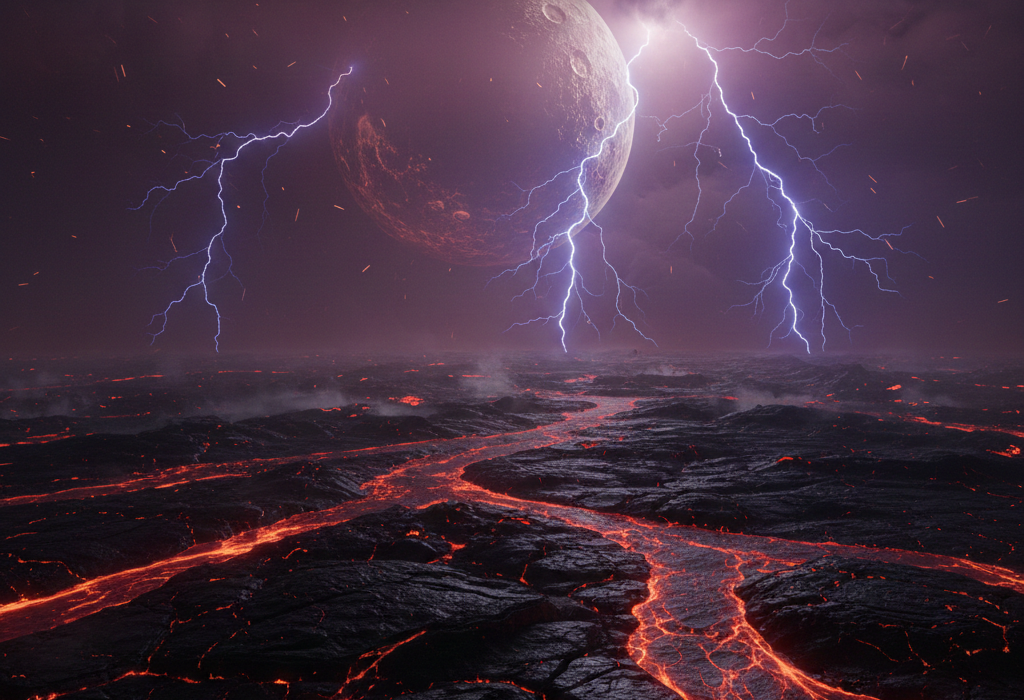
Human history is measured in thousands of years. Written language is even younger. But life on Earth began more than 3.5 billion years ago, in a world that would feel utterly alien to us. There were no forests, no animals, no oxygen-rich skies. The earliest creatures were microscopic, single-celled organisms living in oceans warmed by volcanic heat and energized by chemical reactions rather than sunlight.
These first life forms were simple, but they were also astonishingly resilient. They survived meteor impacts, extreme temperatures, and a hostile chemical environment. Without them, nothing else could have followed. They transformed the planet slowly, invisibly, laying the groundwork for all future complexity.
Over immense spans of time, these early organisms diversified. Some learned to harness sunlight through photosynthesis, releasing oxygen as a byproduct. This oxygen, initially toxic to many forms of life, gradually accumulated in the atmosphere, triggering one of the most dramatic changes Earth has ever experienced. The planet’s chemistry shifted, oceans changed color, and a new kind of world emerged, one capable of supporting larger and more complex creatures.
The Dawn of Multicellular Life
For most of Earth’s history, life remained microscopic. But eventually, a profound transition occurred. Single cells began to cooperate, forming multicellular organisms. This was not a sudden leap but a slow, experimental process, unfolding over tens of millions of years. Some arrangements failed. Others persisted and evolved.
The earliest multicellular creatures were soft-bodied and fragile, leaving behind only faint impressions in ancient rock. Among the most mysterious are the organisms of the Ediacaran period, living roughly 600 million years ago. These beings defy easy classification. Some resembled flattened discs, others looked like quilted leaves or branching fronds anchored to the seafloor.
They lived in a world without predators as we understand them today. There were no jaws, no claws, no shells. Life was slow, gentle, and strange. These creatures absorbed nutrients directly from the water or through their surfaces, drifting or resting in shallow seas. Though most left no direct descendants, they represent one of life’s earliest experiments in complexity.
The Cambrian Explosion and the Birth of Animal Diversity
Then, in a relatively short span of geological time, the world changed dramatically. Around 540 million years ago, life experienced an extraordinary burst of innovation known as the Cambrian Explosion. In what amounts to a blink of an eye on the geological timescale, nearly all major animal body plans appeared.
Suddenly, the oceans teemed with creatures bearing eyes, limbs, shells, and segmented bodies. Predation emerged as a powerful evolutionary force. Hard shells evolved as protection, while sharp teeth and grasping appendages developed to overcome defenses. Life became faster, more dangerous, and more competitive.
Among these early animals were trilobites, armored arthropods with compound eyes that allowed them to see the world in remarkable detail. They crawled across seafloors in enormous numbers, diversifying into thousands of species. Some were tiny, others grew to impressive sizes, but all shared a design so successful that it persisted for hundreds of millions of years.
Alongside trilobites lived creatures that seem almost fantastical by modern standards. Anomalocaris, a top predator of its time, swam through Cambrian seas with large, grasping appendages and a circular mouth lined with sharp plates. It was among the first animals to actively hunt others, reshaping marine ecosystems forever.
Ancient Oceans Ruled by Giants
As time marched forward, oceans became increasingly complex and crowded. Fish appeared, initially small and jawless, later evolving jaws that transformed them into formidable predators. Armor-plated fish known as placoderms dominated ancient seas during the Devonian period, some reaching lengths comparable to modern sharks.
The rise of jaws was one of the most significant evolutionary developments in Earth’s history. It allowed creatures to exploit new food sources, tear flesh, and crush shells. With jaws came a cascade of changes in behavior, anatomy, and ecological relationships.
The Devonian period, often called the “Age of Fishes,” witnessed an explosion of aquatic diversity. Coral reefs flourished, creating intricate underwater cities teeming with life. Sharks, or their early relatives, began their long evolutionary journey, becoming some of the most enduring predators the planet has ever known.
Yet the seas were not the only stage for evolutionary drama. Life was preparing for a bold and risky move that would forever alter the course of Earth’s history.
The First Steps onto Land
Leaving the water was one of the most dangerous transitions life ever attempted. Land offered new opportunities but also immense challenges. Gravity was stronger without buoyant water, temperature fluctuations were extreme, and the risk of drying out was constant.
Plants made the first successful invasion of land, evolving structures to retain water and stand upright. Their presence transformed barren landscapes into green expanses, stabilizing soil and altering the atmosphere. Where plants went, animals eventually followed.
Early land animals were descendants of fish, equipped with sturdy fins that gradually evolved into limbs capable of bearing weight. These pioneering tetrapods ventured onto swampy shores, breathing air and feeding on insects and other small creatures.
Their world was quiet in ways modern environments are not. There were no birds singing, no mammals scurrying, no flowering plants. Instead, vast forests of towering ferns and giant club mosses dominated the landscape, growing in warm, humid climates rich in oxygen.
The Age of Giant Insects and Amphibians
High oxygen levels during the Carboniferous period allowed insects to grow to astonishing sizes. Dragonfly-like creatures with wingspans over half a meter soared above swamp forests. Millipedes stretched longer than a human arm, crawling through leaf litter in search of decaying plant matter.
Amphibians thrived in this environment, occupying ecological roles later taken by reptiles and mammals. Some were massive, crocodile-like predators lurking in dark waters, ambushing prey that wandered too close.
These creatures lived in a world shaped by dense vegetation and constant moisture. Coal deposits we mine today are the compressed remains of these ancient forests, silent witnesses to ecosystems that vanished long before humans existed.
Reptiles and the Mastery of Dry Land
A crucial evolutionary innovation changed everything: the amniotic egg. This self-contained life-support system allowed embryos to develop on land without drying out. With it came the rise of reptiles, animals no longer bound to water for reproduction.
Reptiles diversified rapidly, spreading into drier environments and experimenting with new forms and lifestyles. Some became swift predators, others herbivores with complex teeth for processing tough plant material.
This shift set the stage for one of the most famous chapters in Earth’s biological history, though it would not arrive immediately. Before dinosaurs ruled, the world belonged to other remarkable reptiles, many of which have been overshadowed by their more famous successors.
Before the Dinosaurs Ruled
During the Permian period, Earth’s land was dominated by synapsids, distant relatives of mammals. Some resembled reptiles, others hinted at mammalian features such as differentiated teeth and more upright postures.
These creatures occupied a wide range of ecological niches. Some were apex predators, others grazed on tough vegetation, shaping landscapes through their feeding. They lived on a supercontinent called Pangaea, where vast deserts and seasonal extremes tested their adaptability.
Life at this time was both diverse and fragile. Beneath the surface of apparent stability, powerful geological forces were at work, building toward the most devastating extinction event Earth has ever experienced.
The Great Dying and the Reset of Life
Around 252 million years ago, life on Earth nearly came to an end. Massive volcanic eruptions released enormous amounts of greenhouse gases, triggering extreme climate change, ocean acidification, and oxygen depletion.
Up to 90 percent of marine species and 70 percent of land species disappeared. Entire lineages vanished forever. The world after this catastrophe was nearly unrecognizable, a biological wasteland compared to what came before.
Yet life persisted. Survivors adapted to harsh conditions, and over time, new forms emerged. From the ashes of this extinction rose the creatures that would dominate the next era of life.
The Rise of the Dinosaurs
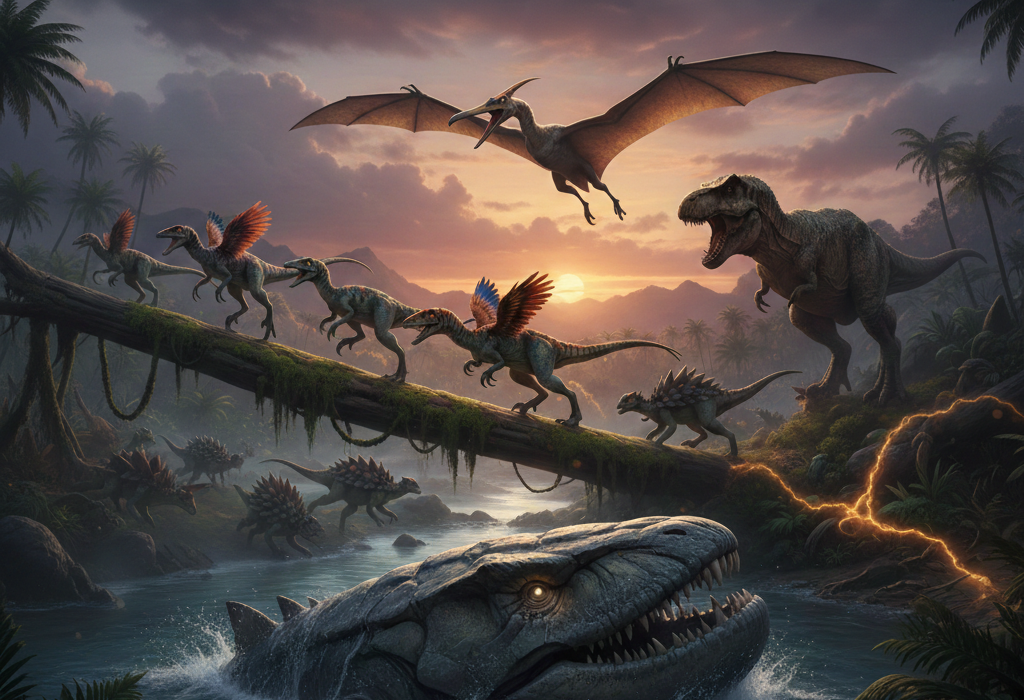
Dinosaurs did not immediately take over the world. They began as relatively small and unremarkable animals living alongside other reptiles. But they possessed key advantages, including efficient respiration and upright postures that allowed sustained activity.
As climates stabilized and competitors declined, dinosaurs diversified spectacularly. They evolved into an astonishing array of forms, from towering long-necked herbivores to agile, feathered predators.
For over 160 million years, dinosaurs dominated terrestrial ecosystems. They lived on every continent, in environments ranging from lush forests to arid deserts. They were not failures waiting for extinction, but successful, adaptable animals that thrived for longer than humans have existed.
The Ancient Skies and Seas
Dinosaurs were not alone in ruling the planet. The skies belonged to pterosaurs, flying reptiles with wingspans rivaling small airplanes. They soared on thermal currents, hunted fish, and nested in colonies along coastlines.
The oceans were ruled by marine reptiles such as ichthyosaurs, plesiosaurs, and mosasaurs. These were not dinosaurs, but they were just as impressive, evolving streamlined bodies for efficient swimming and powerful jaws for capturing prey.
Together, these creatures formed complex, interconnected ecosystems. Energy flowed from plants to herbivores to predators, governed by evolutionary pressures that shaped bodies and behaviors over millions of years.
The End of an Era
The reign of dinosaurs ended abruptly around 66 million years ago, when a massive asteroid struck Earth. The impact triggered fires, tsunamis, and a global climate catastrophe. Sunlight was blocked, temperatures plummeted, and food chains collapsed.
Most dinosaurs, along with many other forms of life, vanished. But not all. Some small, feathered dinosaurs survived and continue to live among us today as birds.
This extinction was not the end of life’s story, but a turning point. It cleared ecological space, allowing new creatures to rise and reshape the world.
The Creatures That Inherited the Earth
After the dinosaurs, mammals diversified rapidly. Once small and nocturnal, they evolved into giants, swimmers, flyers, and thinkers. Birds filled the skies. Flowering plants transformed landscapes, forming intricate relationships with insects and animals.
The world began to resemble something closer to what we recognize today. Yet it still carried the deep imprint of its ancient past. Every bone, every gene, every ecosystem was shaped by events that occurred long before humans existed.
Echoes of a Timeless World
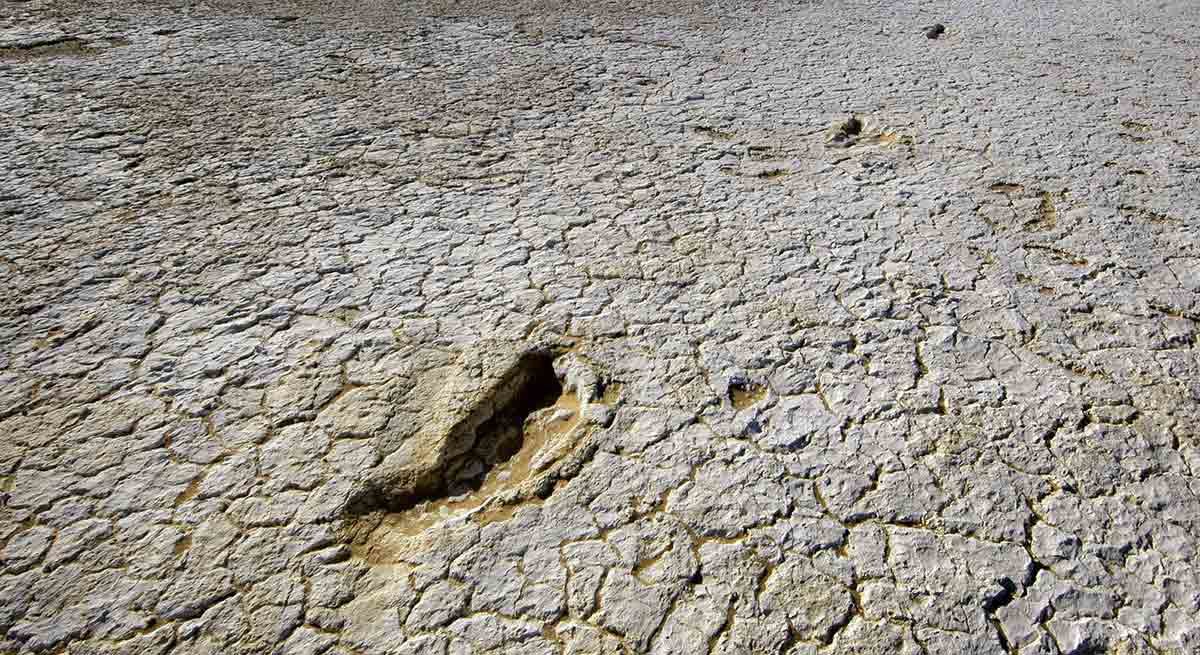
The creatures that thrived before time was counted are not truly gone. Their legacy lives on in our bodies, in the structure of ecosystems, and in the fossils that whisper stories from deep time. They remind us that life is resilient but not invincible, creative but constrained by physical laws.
To study them is to gain perspective. Human concerns shrink when set against billions of years of evolution. At the same time, our connection to these ancient beings becomes clearer. We are not separate from Earth’s story but a recent chapter in a narrative that began long before memory, language, or history.
These creatures lived, struggled, adapted, and vanished, not knowing they would one day be studied by a species that measures time in seconds and years. Yet without them, we would not exist. They are the silent architects of our world, the forgotten giants of a past so vast that it defies counting.
In remembering them, we are reminded that the present moment is fleeting, but life, in all its forms, is part of something far older, deeper, and more extraordinary than we can ever fully comprehend.