Ancient bones are among the quietest objects on Earth, yet they speak more loudly than almost anything else we have left from the deep past. Long after flesh has decayed, after languages have vanished and civilizations have collapsed into dust, bones remain. They lie buried beneath deserts, trapped in caves, sealed in permafrost, or resting beneath layers of stone, waiting. When uncovered, they do not offer simple answers. Instead, they raise questions—questions so profound that they reach across time and force us to confront who we are, where we came from, and how fragile our story truly is.
Bones are not merely remnants of death. They are records of life. Every scratch, fracture, chemical trace, and microscopic structure preserves moments of struggle, survival, adaptation, and extinction. Yet despite centuries of study, ancient bones continue to guard secrets that science has not fully unlocked. Each discovery brings clarity, but also deeper mystery.
Bones as Biological Time Capsules
To understand why ancient bones are so powerful, we must first understand what they are. Bone is living tissue, constantly reshaped during life. It responds to stress, nutrition, disease, and environment. When life ends, this living structure becomes a fossilized archive, locking in biological information that can survive for millions of years under the right conditions.
Ancient bones preserve more than shape. They retain microscopic patterns that reveal how muscles were used, how fast an animal grew, and how long it lived. Chemical signatures trapped within bone can indicate diet, migration patterns, and even seasonal changes. In rare cases, fragments of ancient DNA remain, offering glimpses into genetic relationships across vast stretches of time.
Yet bone is also incomplete. It is a fragment of a much larger story that included soft tissues, behaviors, ecosystems, and social structures that rarely fossilize. This partial preservation is the source of both the power and frustration of studying ancient remains. Bones give us truth, but never the whole truth.
The Earliest Bones and the Question of Our Origins
Among the most profound unanswered questions hidden in ancient bones is how humans came to be. Fossilized remains of early hominins—our distant ancestors—form a broken, scattered record stretching back millions of years. From Australopithecus to Homo habilis, Homo erectus, and beyond, each set of bones represents a moment in a long evolutionary experiment.
Yet the exact path of human evolution remains unclear. Bones show us changes in skull shape, tooth size, posture, and limb proportions, but they do not reveal the full story of behavior, intelligence, or social life. When did language truly begin? At what point did symbolic thought emerge? Which species were our direct ancestors, and which were evolutionary dead ends?
Ancient skulls suggest increasing brain size over time, but brain size alone does not equal intelligence. Some hominins had surprisingly large brains yet left little evidence of complex culture. Others with smaller brains may have exhibited advanced tool use. Bones tell us that evolution was not a straight line but a branching, tangled process filled with experiments that sometimes succeeded and often failed.
The Mystery of Missing Links
Despite remarkable discoveries, large gaps remain in the fossil record. These gaps are not necessarily evidence of missing evolution, but they leave crucial transitions poorly understood. We know that early hominins shifted from walking on four limbs to walking upright, yet exactly how and why this happened is still debated.
Bones from pelvises, spines, and feet suggest gradual changes, but transitional forms are rare. Did upright walking evolve primarily for energy efficiency, tool use, or environmental pressures? Ancient bones hint at answers, but they do not speak clearly enough to settle the debate.
Even within our own species, Homo sapiens, early remains raise questions. Fossils from Africa show a mosaic of features that blur the line between modern humans and earlier forms. Were these populations fully modern in behavior? Or did modern traits emerge gradually across different regions and cultures?
Neanderthals and the Question of Other Humans
Few ancient bones have sparked as much fascination as those of the Neanderthals. Once dismissed as brutish and inferior, Neanderthals are now recognized as intelligent, adaptable humans who lived across Europe and western Asia for hundreds of thousands of years.
Their bones tell a story of strength and resilience. Thick limb bones suggest powerful muscles adapted for cold climates. Healed fractures indicate care for injured individuals. Yet unanswered questions remain. Why did Neanderthals disappear while Homo sapiens survived? Was it climate change, competition, disease, or a combination of factors?
Genetic evidence reveals that Neanderthals and modern humans interbred, leaving traces of Neanderthal DNA in people alive today. But ancient bones cannot tell us what these interactions were like. Were they peaceful exchanges, rare encounters, or complex social relationships? The bones remain silent on the emotional and cultural dimensions of these ancient meetings.
Bones and the Lost Humans We Barely Know
Beyond Neanderthals, ancient bones have revealed the existence of other human groups once entirely unknown. Denisovans, identified initially from a single finger bone, are one such example. Their DNA suggests a population that contributed genetically to modern humans in parts of Asia and Oceania, yet their physical appearance remains largely a mystery.
What did Denisovans look like? How widespread were they? How did they live? Ancient bones offer tantalizing hints, but not enough to reconstruct their full story. Each new fragment raises more questions than it answers, reminding us that human evolution involved far more diversity than once imagined.
Bones as Witnesses to Extinction
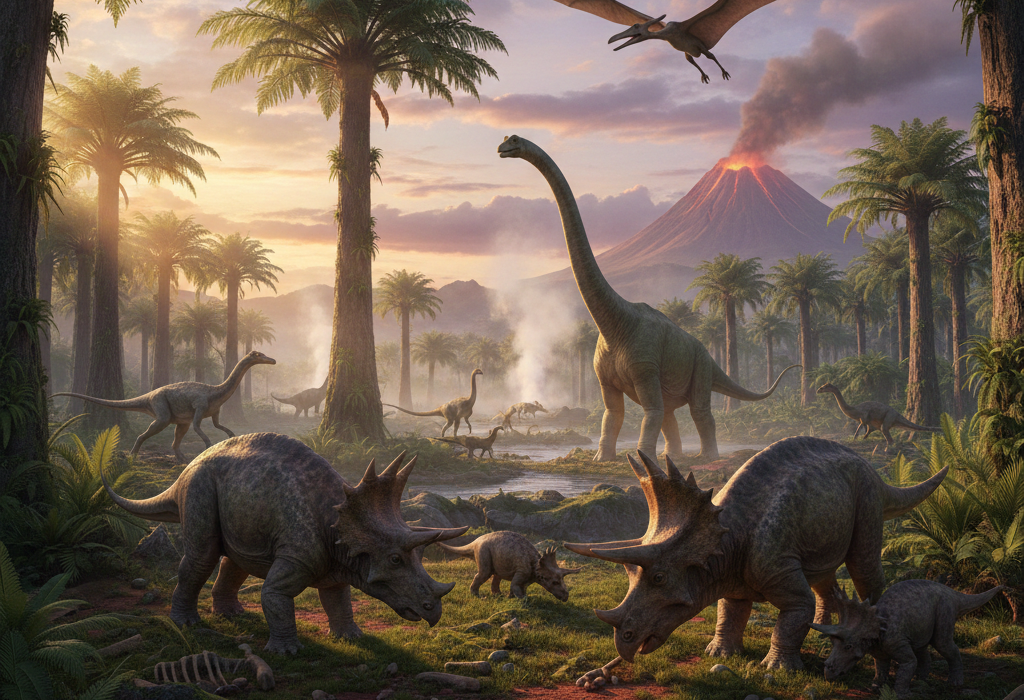
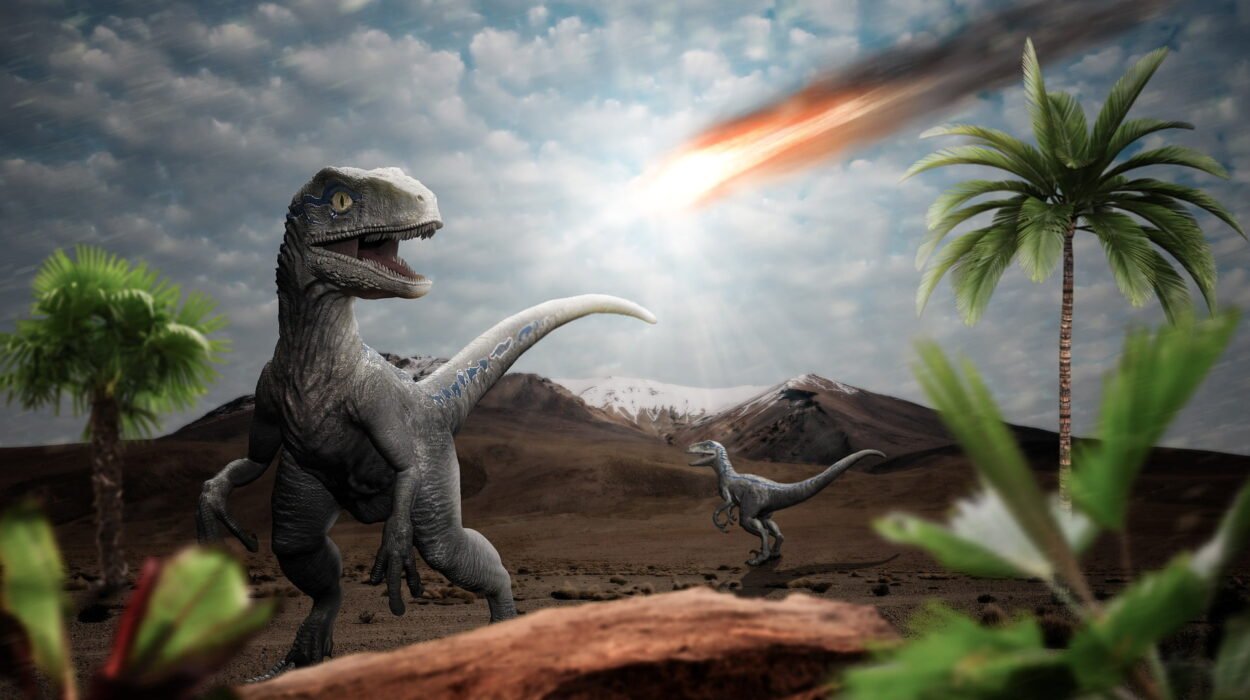
Ancient bones also record the history of extinction, one of the most haunting themes in natural history. From mammoths and saber-toothed cats to giant ground sloths and massive flightless birds, countless species once dominated the Earth and are now gone.
Bones show us how these animals lived, how big they were, and sometimes how they died. Cut marks on bones suggest human hunting. Fracture patterns hint at violent deaths or natural disasters. Chemical changes reflect shifts in climate and vegetation.
Yet the precise causes of many extinctions remain uncertain. Did humans drive these species to extinction through overhunting? Did rapid climate changes push them beyond their limits? Or did complex interactions between environment and behavior seal their fate? Ancient bones provide clues, but rarely definitive answers.
The Enigma of Disease in Ancient Bones
Bones also preserve evidence of disease, offering rare insights into the health of ancient populations. Signs of arthritis, infection, malnutrition, and trauma can all be detected in skeletal remains. In some cases, ancient bones reveal the presence of diseases still affecting humans today.
Yet many questions remain unanswered. How widespread were certain diseases in ancient populations? How did pathogens evolve over time? What role did disease play in the collapse of civilizations or the extinction of species?
Bones can show damage, but they cannot always reveal the cause. Was a lesion caused by tuberculosis, cancer, or something entirely unknown? Without soft tissue or written records, interpretation remains uncertain. Each diagnosis is a careful balance between evidence and inference.
The Emotional Weight of Human Bones
Human bones carry an emotional weight that goes beyond scientific data. When researchers uncover the skeleton of a child, or the remains of individuals buried together, the past suddenly feels close and personal. These were not abstract beings but people who loved, feared, and hoped.
Yet bones cannot tell us names, voices, or personal stories. They force us to confront the limits of empathy across time. We can reconstruct diets and injuries, but not dreams. This gap between what we can know and what we long to know is one of the most powerful aspects of studying ancient bones.
Cultural Practices Written in Bone
Bones also preserve traces of culture. Burial practices, modifications, and ritual treatments leave physical marks that survive long after beliefs have vanished. Some ancient skulls show intentional reshaping, reflecting cultural ideals of beauty or status. Others bear cut marks suggesting ritual defleshing or complex funerary customs.
These clues raise questions about belief systems we can only partially reconstruct. Why were certain individuals buried with care while others were not? What did ancient people believe about death, the body, and the afterlife? Bones offer evidence, but interpretation remains deeply uncertain.
Ancient Violence and the Question of Conflict
Many ancient bones bear signs of violence. Fractured skulls, embedded weapons, and defensive injuries suggest that conflict has been part of human existence for a very long time. Yet the nature of ancient violence remains debated.
Were early humans inherently violent, or were conflicts rare and situational? Did organized warfare exist in prehistoric societies, or did it emerge later with agriculture and resource competition? Bones provide data, but context is often missing. A single injury could represent a personal dispute, a raid, or an accident.
Bones and the Story of Migration
Chemical analysis of ancient bones allows scientists to trace migration patterns by studying isotopes linked to local geology and water sources. These techniques have revealed that ancient people moved more than once believed, forming complex networks of interaction.
Yet bones cannot fully explain why people moved. Were migrations driven by climate change, social pressure, curiosity, or survival? Did ancient people understand their journeys as exploration or necessity? The motivations behind movement remain hidden, even when the routes are clear.
Animal Bones and Lost Ecosystems
Ancient animal bones reveal ecosystems that no longer exist. Species combinations preserved in fossil sites show environments unlike any seen today. Studying these remains helps scientists understand how ecosystems respond to climate shifts and human influence.
Yet many questions remain unanswered. How did ancient ecosystems function as dynamic systems? How resilient were they to change? Can their collapse teach us lessons about modern environmental crises? Bones offer evidence, but translating that evidence into predictive understanding remains a challenge.
The Limits of DNA and the Promise of Technology
The extraction of ancient DNA has revolutionized the study of bones, but it has limits. DNA degrades over time and survives only under specific conditions. Many ancient bones are genetically silent, offering no molecular clues.
Even when DNA is preserved, interpretation is complex. Genetic relationships do not always reflect cultural or social connections. Bones may show who was related to whom, but not how they lived together, cooperated, or conflicted.
New technologies continue to push boundaries. Advances in imaging, chemical analysis, and computational modeling reveal details once thought impossible to access. Yet each technological breakthrough also reveals new layers of complexity, reminding us that the past is not a puzzle with a single solution.
Ethical Questions Written in Bone
Ancient bones also raise ethical questions. Who owns the past? Do modern descendants have the right to reclaim ancestral remains? How should scientists balance research with respect for cultural beliefs?
These questions have no simple answers. Bones are scientific resources, but they are also human remains deserving dignity. The tension between knowledge and respect reflects a deeper issue: how we relate to our own history.
Why Ancient Bones Still Matter
The unanswered questions hidden in ancient bones matter because they connect us to a long continuum of life. They remind us that our species is not separate from nature, but shaped by it. They show us resilience and vulnerability, creativity and destruction.
Ancient bones teach us that extinction is real, adaptation is not guaranteed, and survival is shaped by chance as much as intelligence. They warn us that no species, no matter how dominant, is immune to change.
The Silence That Speaks
Perhaps the most profound aspect of ancient bones is their silence. They do not tell stories willingly. They require patience, humility, and imagination. They force scientists to accept uncertainty and to live with unanswered questions.
This silence is not a failure of science, but a reminder of its nature. Science does not promise complete knowledge. It offers careful understanding built on evidence, always open to revision. Ancient bones embody this process perfectly.
The Ongoing Conversation with the Past
Every time an ancient bone is uncovered, a conversation begins. It is a conversation across time, shaped by curiosity and constrained by evidence. Some questions will eventually be answered. Others may remain forever beyond reach.
Yet the value of these questions lies not only in their answers, but in what they teach us about ourselves. They show us how deeply we care about our origins, our identity, and our future. They reveal that to study ancient bones is ultimately to study humanity itself.
The Enduring Mystery Beneath Our Feet
Beneath our feet lies a vast archive of life, written in bone. It is incomplete, fragile, and deeply moving. Each fossil is a reminder that the Earth remembers far more than we do, yet reveals its memories reluctantly.
The unanswered questions hiding in ancient bones ensure that the past is never fully settled. They keep science alive, driven by wonder rather than certainty. And they remind us that while bones may be silent, their presence continues to shape how we understand life, death, and the long, unfinished story of being human.