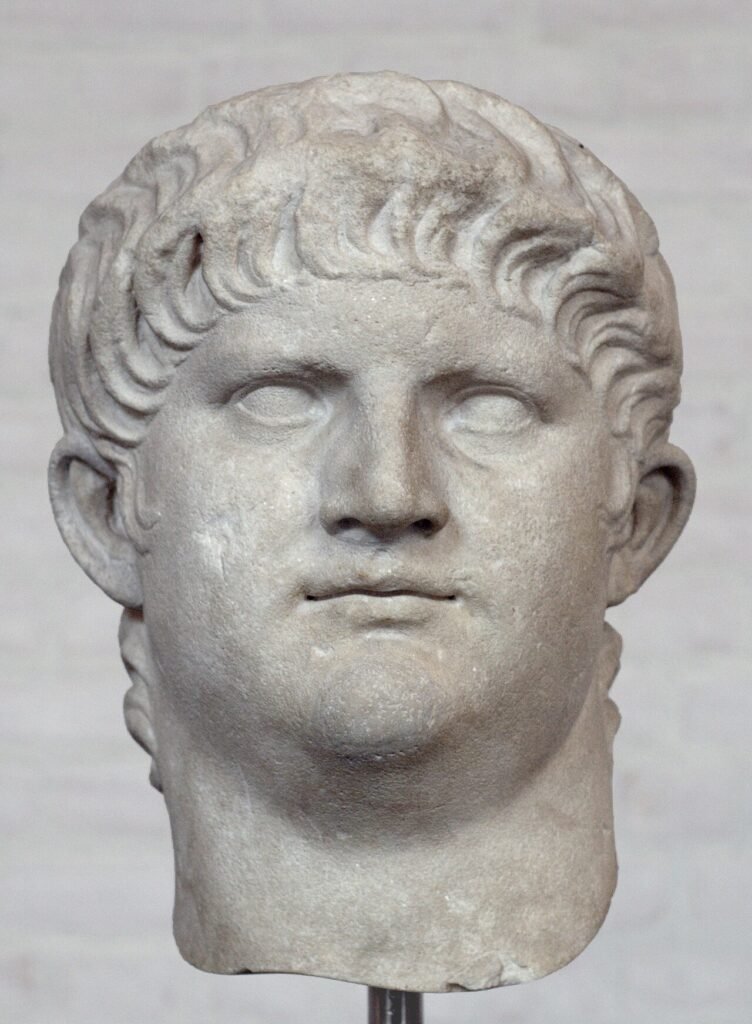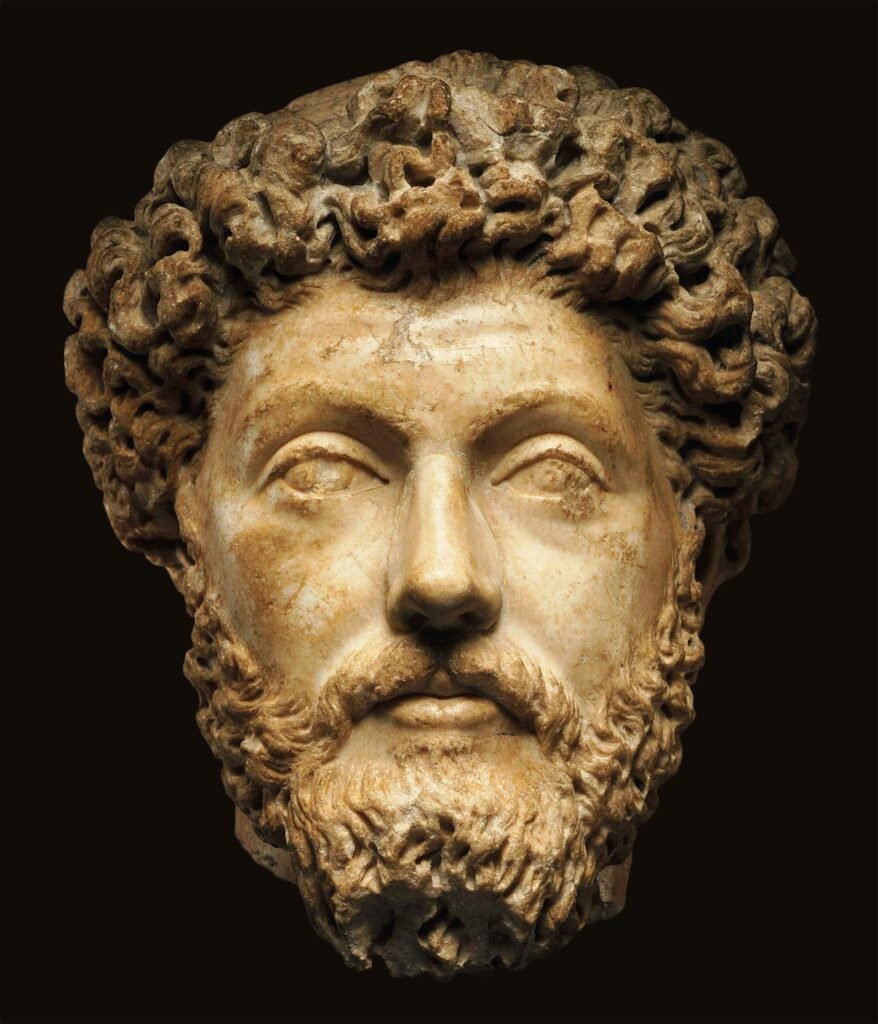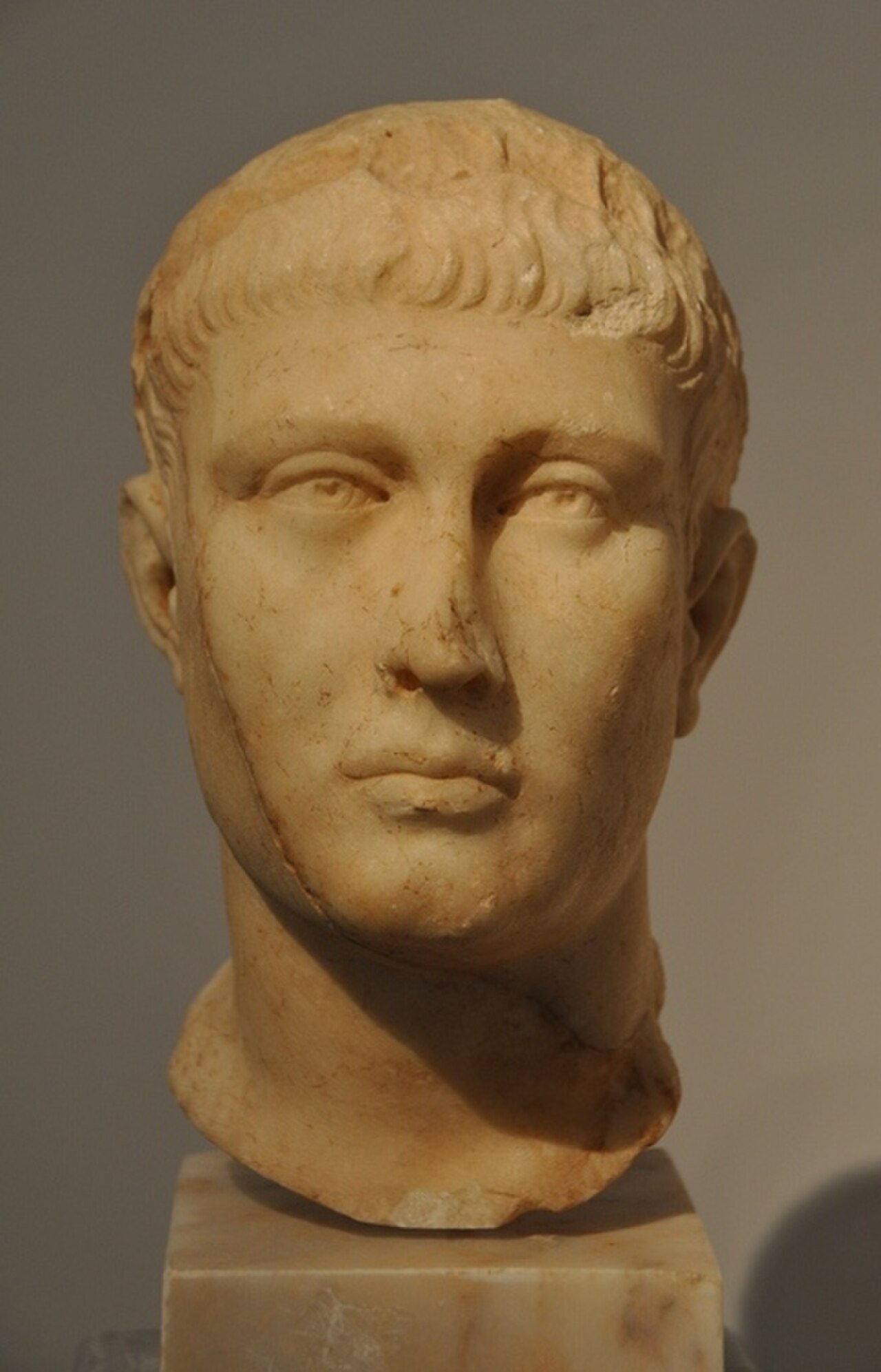
Theodosius I (born January 11, 347, in Cauca, Hispania, in the Roman Empire—died January 17, 395, in Mediolanum, now Milan, Italy) was a Roman emperor who ruled the eastern half of the empire from 379 until his death and briefly governed the entire Roman Empire from 394 to 395. Also known as Theodosius the Great, he is best known for making Nicene Christianity the official religion of the Roman Empire, strengthening imperial control, and becoming the last emperor to rule both the eastern and western halves of the empire under a single government.
Early Life and Family Background
Theodosius was born into a prominent Roman family in Hispania, a region that covered much of the Iberian Peninsula. His father, Flavius Theodosius, was a respected military commander who served the Roman Empire under Emperor Valentinian I. His family had strong connections to the Roman military and government, giving him an upbringing closely tied to imperial service.
Little is known about Theodosius’s childhood or formal education. However, his later military career suggests that he received the training expected of a young man from an influential military family. He learned the skills needed to command troops, manage military operations, and serve the emperor.
Theodosius also had a brother, Honorius, whose life is not well documented. His father played a particularly important role in shaping his early career by providing him with access to military responsibilities and opportunities for advancement.
Early Military Career
Theodosius began his military career under his father’s command. He served in Britain during a campaign to restore Roman authority and later took part in military operations in other parts of the empire.
His father became one of the leading Roman generals during the reign of Valentinian I. However, after Valentinian died in 375, political tensions developed within the imperial government. The elder Theodosius was eventually accused of wrongdoing and executed in 376 under circumstances that remain unclear.
His father’s execution was a serious setback for the younger Theodosius. He lost an influential supporter and withdrew from public military life for a period. He returned to his family estates in Hispania, where he remained away from the center of imperial politics.
Theodosius’s retirement did not last long. The Roman Empire soon faced a major military crisis that created a need for experienced commanders.
Rise to Power
The crisis began in 378, when Roman forces suffered a devastating defeat at the Battle of Adrianople against the Goths. Emperor Valens, who ruled the eastern Roman Empire, was killed during the battle, along with a large number of Roman soldiers and officers.
The defeat exposed serious weaknesses in the eastern empire’s military defenses. The Goths had entered Roman territory after crossing the Danube frontier, and Roman authorities struggled to control the situation.
Following Valens’s death, Emperor Gratian, who ruled the western empire, needed someone capable of taking charge in the east. On January 19, 379, he appointed Theodosius as emperor.
The appointment gave Theodosius responsibility for the eastern provinces, including the Balkans, Greece, Asia Minor, Egypt, and the territories around Constantinople. He faced the difficult task of rebuilding the army and restoring order while dealing with the Gothic threat.
His appointment marked the beginning of a reign that would reshape the religious and political direction of the Roman Empire.
Marriage and Family Life
Theodosius married Aelia Flaccilla, probably in 376 or 377. She came from a respected family and later became an important figure at the imperial court.
The couple had at least three children: Arcadius, Honorius, and Pulcheria. Their sons would eventually become emperors, while Pulcheria died at a young age.
Flaccilla supported Christian charitable activities and became known for her concern for poor people and those in need. She also held a respected position within the imperial household.
After her death around 386, Theodosius married Galla, the daughter of the western emperor Valentinian I and the sister of Valentinian II. This marriage strengthened his political connections with the western imperial family.
Theodosius and Galla had three children: Gratian, who died young, Galla Placidia, and a son named John, who also died in infancy or early childhood. Galla Placidia later became an influential figure in the western Roman imperial family.
Rebuilding the Roman Army and Fighting the Goths
When Theodosius became emperor, the eastern Roman army was still recovering from the disaster at Adrianople. Many experienced soldiers and commanders had been lost, and the Gothic forces remained a serious threat.
Theodosius worked to rebuild the army by recruiting new soldiers and reorganizing existing forces. He also appointed experienced officers to important military positions and sought to restore discipline among the troops.
Rather than relying entirely on military force, he recognized that the empire needed a political settlement with the Goths. Repeated attempts to defeat them in battle had proved costly, and the Roman government needed a more stable arrangement.
In 382, Theodosius reached an agreement with the Goths. Under the settlement, groups of Goths were allowed to live within Roman territory, particularly in the Balkans, while maintaining a degree of independence under their own leaders.
They were expected to provide military service to the empire, although the exact terms and practical arrangements varied. This agreement helped reduce immediate fighting and gave the eastern government time to recover.
The settlement was an important development in Roman relations with the Germanic peoples. It allowed large groups of outsiders to live within imperial borders under special conditions rather than being fully absorbed into ordinary Roman provincial administration.
Theodosius continued to rely on Gothic soldiers and commanders in later military campaigns. His policies helped stabilize the eastern empire, although they did not permanently resolve tensions between Roman authorities and the Gothic communities.
Religious Policies and the Rise of Nicene Christianity
Religion became one of the most important concerns of Theodosius’s reign. Christianity had spread widely throughout the Roman Empire, but Christians remained divided over important questions about the nature of Jesus Christ and the relationship between the Father and the Son.
One major dispute involved Arian Christianity, which rejected the Nicene understanding of the Son’s relationship to the Father. The Nicene position, established at the Council of Nicaea in 325, taught that the Father and the Son shared the same divine nature.
Theodosius supported Nicene Christianity. On February 27, 380, he issued the Edict of Thessalonica together with Gratian and Valentinian II. The decree established the Nicene form of Christianity as the standard of religious belief for the Roman Empire.
The edict directed imperial subjects to follow the faith associated with the bishops of Rome and Alexandria. It also distinguished this form of Christianity from religious teachings that the imperial government considered heretical.
In 381, Theodosius called the First Council of Constantinople. Bishops from across the eastern empire gathered to address disagreements within Christianity and clarify church teaching.
The council reaffirmed the Nicene faith and developed its statement of belief, which became associated with the Nicene-Constantinopolitan Creed. It also recognized the bishop of Constantinople as having a position of honor immediately after the bishop of Rome because Constantinople was the imperial capital.
Theodosius increasingly used imperial authority to support the church’s religious leadership. His government restricted certain forms of pagan worship and prohibited sacrifices and other traditional religious practices in a series of laws issued during the 380s and 390s.
These measures did not immediately eliminate traditional Roman religions. Pagan communities continued to exist, and many traditional practices remained part of everyday life in different parts of the empire. However, the laws changed the official religious direction of the Roman government.
Theodosius also took action against Christian groups that rejected Nicene teachings. His religious policies helped establish a closer relationship between imperial government and the Nicene Church.
Relations with the Western Roman Empire
Although Theodosius ruled the eastern empire, his position depended partly on maintaining good relations with the western emperors.
At the beginning of his reign, Gratian was the senior western ruler. The two emperors generally cooperated, especially in matters involving military defense and religious policy.
Gratian was murdered in 383 during a rebellion led by Magnus Maximus, a Roman commander who had gained support in Britain and parts of Gaul. Maximus claimed imperial authority and eventually controlled much of the western empire.
Theodosius initially accepted Maximus as a ruler in the western provinces, while Valentinian II retained control over Italy and other territories. This arrangement allowed Theodosius to avoid an immediate conflict while concentrating on the eastern empire.
The situation changed in 387 when Maximus invaded Italy and forced Valentinian II to flee. Valentinian sought assistance from Theodosius, who responded by preparing a military campaign.
Theodosius also strengthened his political position by marrying Galla, Valentinian’s sister. The marriage connected him more closely to the western imperial family and provided an additional reason to oppose Maximus.
In 388, Theodosius defeated Maximus’s forces in a series of battles. Maximus was captured and executed, allowing Valentinian II to return to power in the West.
Theodosius then remained in the western empire for several years, helping restore political stability and supervising important government affairs.
The Conflict with Eugenius
After Valentinian II died in 392, another political crisis developed in the western empire. Arbogast, a powerful military commander, supported Eugenius, a former imperial official, as the new western ruler.
Eugenius presented himself as a legitimate emperor, but Theodosius refused to recognize his authority. The conflict became especially complicated because Arbogast and Eugenius received support from some traditional Roman religious groups.
Theodosius increasingly presented his campaign as a defense of Nicene Christianity against a government associated with the revival of pagan religious practices.
He gathered an army and prepared to confront the western forces. His troops included soldiers from several parts of the empire, including Gothic units.
The two sides met at the Battle of the Frigidus in September 394, in the region of the Julian Alps near the present-day border of Italy and Slovenia.
The fighting lasted two days and was particularly intense. Theodosius’s forces eventually defeated Eugenius’s army. Eugenius was captured and executed, while Arbogast died shortly afterward.
The victory gave Theodosius control over the entire Roman Empire. For the first time in more than a decade, the eastern and western territories were again governed by one emperor.
Final Years and Death
Theodosius’s victory at the Frigidus made him the sole ruler of the Roman Empire, but he did not have much time to enjoy his restored authority.
He traveled to Mediolanum, the imperial residence in northern Italy, where he continued to manage government affairs. His health, however, was deteriorating.
Theodosius died on January 17, 395, in Mediolanum, now known as Milan, at the age of 48. His death ended his 16-year reign as eastern emperor and his brief period as sole ruler of the Roman Empire.
Before his death, he arranged for his two sons to inherit the imperial territories. Arcadius, his elder surviving son, became emperor in the East, while Honorius became emperor in the West.
Because both sons were young and lacked their father’s experience, powerful military commanders and court officials soon became influential in their governments. The empire continued to have two separate imperial administrations, and the political division between East and West became permanent in practice.
Theodosius was buried in Constantinople, where his funeral was conducted according to Christian traditions. His wife Galla later died in 394 or 395, although the exact date is uncertain. Their daughter Galla Placidia would go on to play an important role in the politics of the western Roman Empire.