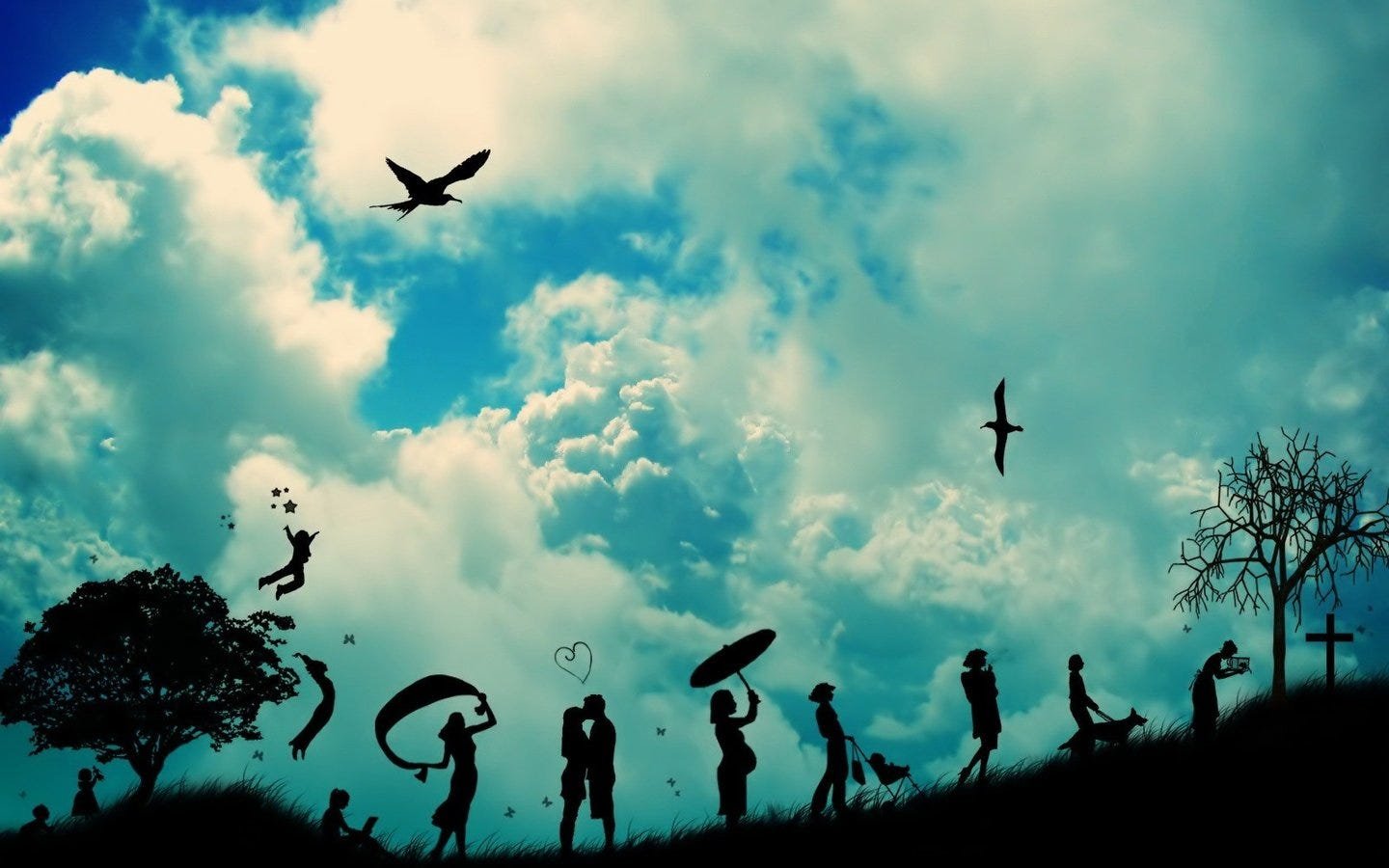
Every second you live, you are touching something ancient, immense, and invisible—the atmosphere. It surrounds you, fills your lungs, and stretches upward for hundreds of kilometers, blending softly into the vacuum of space. We often think of air as nothingness, yet it is a dynamic, living ocean of gas—constantly shifting, flowing, and sustaining every breath, every flame, every storm, and every heartbeat on Earth.
Our atmosphere is not just a blanket of air; it is the planet’s most delicate and miraculous creation. It shields us from deadly radiation, moderates temperature extremes, nurtures the water cycle, and gives rise to weather and climate. It is the breath of the biosphere—the unseen thread that binds oceans, forests, animals, and humanity into one interconnected system.
To understand the atmosphere is to understand life itself. It is our cradle, our shield, and our bridge to the cosmos. Without it, Earth would be a frozen desert of rock and ice, as silent as the Moon and as lifeless as Mars.
The Origins of the Air We Breathe
Billions of years ago, the young Earth was a world of fire. Volcanoes erupted endlessly, filling the sky with smoke, steam, and molten fury. There was no air suitable for breathing, no blue sky, no oceans shimmering with life. The planet’s first atmosphere was made of hydrogen and helium, the lightest elements in the universe—but this early air was quickly stripped away by the solar wind and Earth’s still-weak magnetic field.
Then came the second atmosphere—born from the planet’s own interior. Gases like carbon dioxide, nitrogen, methane, and water vapor poured from volcanoes for millions of years, creating a thick, suffocating shroud. The air was hot, toxic, and heavy, but it was also the beginning of transformation.
As the planet cooled, water vapor condensed and fell as rain, forming the first oceans. Within those oceans, life stirred. Tiny organisms—ancient cyanobacteria—began to use sunlight to split water molecules and release oxygen. Over hundreds of millions of years, these microscopic pioneers filled the air with a gas that would change everything.
The Great Oxygenation Event, about 2.4 billion years ago, was both a catastrophe and a miracle. For many early life forms, oxygen was poison. But for others, it opened a new path—one that led to complex cells, plants, animals, and ultimately, us.
The modern atmosphere—rich in nitrogen, oxygen, and trace gases—was sculpted by life itself. It is a living product of biology, geology, and time. Every breath you take is part of a cycle that began billions of years before the first human ever walked the Earth.
The Architecture of the Sky
Though we experience the atmosphere as a seamless expanse, it is layered like a great cathedral of air, each level with its own mysteries and purpose. From the ground to the edge of space, the atmosphere reveals the poetry of physics and the order of nature.
The troposphere, stretching up to around 10 to 15 kilometers, is where we live and where all weather happens. It holds most of the air’s mass and water vapor. Here, warm air rises, cool air sinks, and clouds are born. Every raindrop, every breeze, every thunderstorm unfolds within this dynamic layer.
Above it lies the stratosphere, calm and layered, home to the ozone layer that protects life from the Sun’s ultraviolet radiation. Jet planes glide through its stable air, and the ozone molecules silently guard the planet below.
Higher still, the mesosphere witnesses the fiery demise of meteors as they burn upon entry, lighting the night with fleeting streaks of light. Above that is the thermosphere, where the air grows thin but charged with energy. Here, the auroras dance—the northern and southern lights painting the sky with colors born of solar winds colliding with Earth’s magnetic field.
Finally, the exosphere fades into space, where atoms drift apart and the air becomes indistinguishable from the vacuum beyond.
These layers, though invisible, form an intricate shield and support system. Each plays a role in sustaining the fragile balance that allows life to flourish below.
The Breath of Life
Every inhale you take carries a story older than civilization. The air that enters your lungs is about 78% nitrogen, 21% oxygen, and a delicate blend of other gases—argon, carbon dioxide, neon, helium, methane, and traces of ozone and water vapor.
Nitrogen, the silent majority of the atmosphere, provides stability. It does not react easily, serving as a gentle buffer that prevents the oxygen-rich air from becoming dangerously volatile. Oxygen, by contrast, is the active soul of the atmosphere—the element of fire and life. Without it, the engines of biology would stop.
Plants, through photosynthesis, continuously renew this balance. They take in carbon dioxide and release oxygen, while animals, including humans, breathe in oxygen and exhale carbon dioxide. It is a perfect exchange, a planetary respiration that has continued for millions of years—a rhythm shared by forests, oceans, and every living thing.
When you breathe, you are not only taking in air—you are participating in an eternal dance between life and atmosphere. Every molecule of oxygen in your body once passed through the leaves of ancient forests or the lungs of prehistoric creatures. The air that sustains you today may have been part of a dinosaur’s breath or drifted above the waves of the primordial sea.
The Blue Veil of Light
The sky’s blue color is not a coincidence—it is the fingerprint of light scattering through air. When sunlight enters the atmosphere, it encounters molecules and tiny particles that scatter the shorter, bluer wavelengths of light more effectively than the longer red ones. This process, known as Rayleigh scattering, fills our sky with that serene hue that soothes the human spirit.
At sunrise and sunset, when sunlight must pass through a greater thickness of air, the blue light scatters away, leaving the reds, oranges, and pinks that ignite the horizon. These colors are more than beauty—they are physics made visible, a daily reminder of how the simplest interactions between light and air can produce wonder.
Even the stars twinkle because of the atmosphere. Their light bends and shifts as it passes through layers of air with differing temperatures and densities. To an astronomer, it’s an inconvenience. To the poet, it’s magic.
The Shield Against a Harsh Universe
Space is not kind to life. Beyond our atmosphere lies a realm of radiation, cosmic rays, and solar storms—forces that would destroy cells, strip oceans, and scorch surfaces. The atmosphere, together with Earth’s magnetic field, acts as a fortress against this cosmic assault.
High-energy ultraviolet light from the Sun would sterilize the planet if not for the ozone layer. This thin band of gas, found in the stratosphere, absorbs most of the Sun’s harmful UV radiation, protecting DNA from damage.
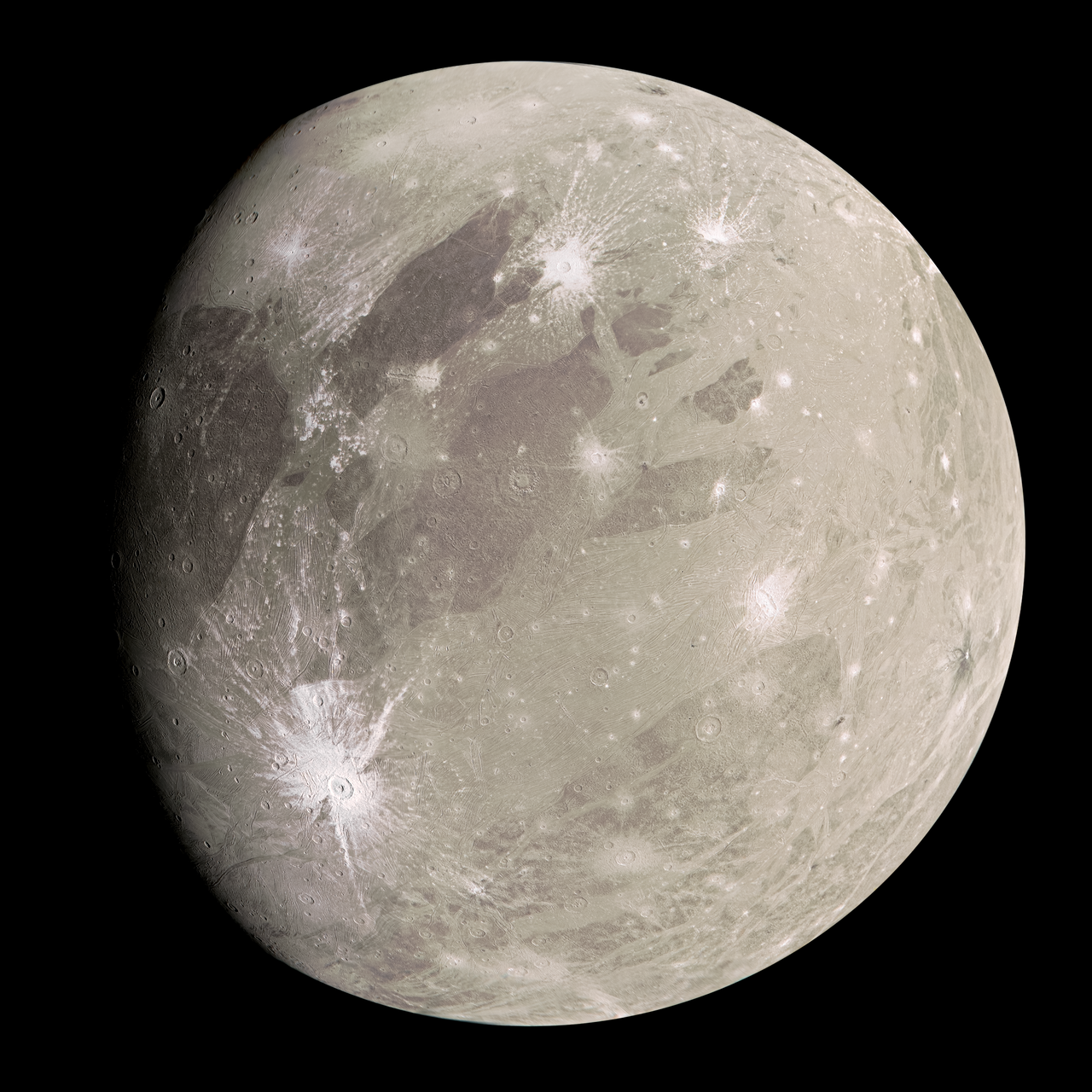
The atmosphere also burns up countless meteoroids every day. Without it, Earth’s surface would be pockmarked with millions of craters, like the Moon. Instead, friction and compression heat most incoming rocks to incandescence, turning them into harmless dust before they ever reach the ground.
It even protects us from the chill of space. The greenhouse gases—carbon dioxide, methane, water vapor, and others—trap heat radiated from Earth’s surface, keeping the planet warm enough for liquid water to exist. Without them, the global average temperature would plunge below freezing.
Yet this balance is delicate. Too much greenhouse trapping, and the world overheats. Too little, and it freezes. The atmosphere’s ability to hold warmth makes Earth a living world—but it also makes it vulnerable to change.
The Ever-Changing Weather Machine
Weather is the atmosphere in motion—the art of air responding to heat, water, and rotation. From gentle breezes to roaring hurricanes, every pattern in the sky arises from the same simple principle: energy from the Sun unevenly warms the planet.
Warm air rises, cool air sinks, and winds form as the atmosphere redistributes heat from the equator toward the poles. Clouds emerge where moist air cools and condenses, releasing energy that drives storms and rains.
The atmosphere is never still. It circulates endlessly in grand systems known as Hadley, Ferrel, and polar cells—rivers of air transporting energy across the globe. These flows give rise to the trade winds, monsoons, jet streams, and all the rhythms of weather that shape our lives.
Every raindrop begins as a microscopic crystal of dust around which water vapor condenses. Every lightning bolt is the sky discharging the tension between clouds and Earth. Every rainbow is sunlight refracted and reflected inside countless droplets, turning storm into spectacle.
Weather is the atmosphere’s language—a living expression of the balance between energy and water, chaos and order. It is the pulse of the planet, felt from the whisper of wind on your face to the roar of thunder rolling across the horizon.
The Fragile Balance of Climate
While weather is the atmosphere’s daily conversation, climate is its memory—the long-term pattern of heat, moisture, and motion that defines entire ecosystems. Climate governs where deserts form and forests thrive, where glaciers grow and rivers flow.
For millions of years, Earth’s climate has fluctuated naturally due to volcanic eruptions, orbital shifts, solar variations, and biological evolution. But in recent centuries, human activity has become a new force of change. The burning of fossil fuels, deforestation, and industrial processes have released vast amounts of carbon dioxide and methane into the atmosphere, thickening the greenhouse blanket.
The result is a slow but relentless warming of the planet. Glaciers retreat, seas rise, and weather patterns shift. The balance that once sustained civilizations trembles on a knife’s edge.
Climate change is not just an environmental issue—it is an atmospheric transformation. The same air that gives us life now carries the consequences of our actions. Every ton of carbon released lingers for centuries, reshaping the chemistry of the sky.
And yet, within this crisis lies awareness. We now understand more than ever how deeply our survival depends on the air we breathe. The atmosphere is not a separate entity—it is part of us, an extension of the biosphere and the sum of all living processes. To heal it is to heal ourselves.
The Music of Wind and Pressure
Listen closely, and you can hear the atmosphere’s symphony. The wind whispering through trees, the rustle of leaves, the crash of waves—all are notes played by air in motion. Wind is simply air moving from high pressure to low, seeking balance in a ceaseless dance.
On a small scale, it cools your skin and carries the scent of rain. On a planetary scale, it sculpts deserts, drives ocean currents, and shapes continents.
Every gust begins with sunlight heating the surface unevenly. Mountains, oceans, and forests absorb and reflect energy differently, setting air in motion. The Earth’s rotation bends these winds through the Coriolis effect, creating trade winds that cross the tropics and westerlies that sweep the temperate zones.
Winds carry not just air but life itself—pollen, seeds, spores, even tiny organisms drifting across continents. They distribute warmth, moisture, and nutrients, connecting ecosystems in unseen ways. In the atmosphere’s breath, all corners of the world are linked.
The Air and the Ocean: Partners in Balance
The atmosphere and the ocean are twin systems—two halves of a global engine. They exchange energy, water, and gases in a continuous dialogue that drives weather and sustains life.
When the Sun warms the ocean, water evaporates into the air, forming clouds and returning as rain. The atmosphere carries this moisture across the world, watering forests and fields. At the same time, the ocean absorbs carbon dioxide from the air, storing it and regulating the planet’s temperature.
Currents like the Gulf Stream and winds like the trade winds work together in perfect harmony. When one shifts, the other responds. Phenomena like El Niño and La Niña, born from slight changes in ocean temperatures and wind patterns, can alter weather across the entire globe.
Without this partnership, Earth would be unrecognizable—a world of frozen poles and scorched equator. Together, air and water create the balance that allows life to thrive.
The Whisper of Oxygen and the Silence of Death
It is easy to forget how thin our atmosphere truly is. If Earth were the size of an apple, the breathable air would be no thicker than its skin. Within that fragile shell lies everything we depend on.
Remove it, and life ends instantly. Without oxygen, fire cannot burn, cells cannot function, and ecosystems collapse. Without the greenhouse gases, oceans would freeze. Without ozone, sunlight would sterilize the ground.
The atmosphere is so vast that it feels eternal—but it is not invincible. Pollution, deforestation, and industrial emissions can alter its chemistry faster than natural systems can recover. Smog in cities, acid rain from sulfur emissions, and thinning ozone remind us how easily we can wound the air that sustains us.
Yet there is hope. Humanity has proven that awareness can lead to action. The global effort to phase out ozone-depleting chemicals in the late 20th century worked—the ozone layer is healing. This success stands as proof that we can restore balance when we choose to.
The Air as a Mirror of Humanity
The atmosphere holds our history. Every puff of smoke from an ancient fire, every exhalation of breath, every industrial emission is recorded in its layers. Ice cores drilled from glaciers reveal the composition of air going back hundreds of thousands of years—time capsules of atmosphere frozen in ice.
From those bubbles, we can read the rise and fall of carbon dioxide, track volcanic eruptions, and even detect traces of human civilization. The atmosphere, in its chemistry, holds our story—the evolution of our species written not in stone, but in air.
It is a story of ingenuity and consequence. The same intelligence that allowed us to split atoms and travel to space also gave us the power to alter the climate of an entire planet. The air bears witness to both our greatness and our fragility.
The Planet That Breathes
Earth is often called the “living planet,” and the atmosphere is its breath. From the carbon cycle to the nitrogen cycle, from photosynthesis to respiration, every process that sustains life is tied to the movement of gases through air, water, and soil.
When plants draw carbon dioxide from the air and release oxygen, they are exhaling for the planet. When oceans absorb and release heat, they regulate the climate’s rhythm. When you inhale, you participate in that global exchange—your breath connects you to the forests of the Amazon, the plankton of the Pacific, and the winds of the Sahara.
No creature breathes alone. Every breath is shared, recycled, and reborn countless times. The air in your lungs today will one day drift across mountains, swirl into clouds, and rain upon another living being. The atmosphere is the ultimate expression of connection—a shared essence that binds all life together.
The Edge of Space and the Breath of Stars
As we rise higher into the sky, the air grows thin until it disappears into the cosmos. There, at the edge of space, the boundary between Earth and universe fades. Satellites orbit through this twilight region, and auroras shimmer like curtains of living light.
It is here that the atmosphere touches the solar wind, where charged particles from the Sun stream past our magnetic field. Their interaction creates the ethereal glow of the northern and southern lights—one of nature’s most beautiful displays.
In this meeting of air and space, we see the connection between worlds. The same cosmic processes that formed our atmosphere operate throughout the galaxy. Other planets have their own gaseous envelopes—Mars with its thin carbon dioxide air, Venus with its crushing acid clouds, and Titan with its methane haze. But none match the gentle perfection of Earth’s.
The atmosphere is not just the product of physics; it is a masterpiece sculpted by chance, chemistry, and life. It is the breath of a planet that learned to dream.
The Future of the Sky
What will become of our atmosphere in the centuries to come? That question depends not on nature alone, but on humanity’s choices. The air we breathe is changing faster than at any time in human history. Greenhouse gases continue to accumulate, aerosols alter weather patterns, and pollutants seep into every layer.
Yet we also stand at a moment of awakening. Renewable energy, reforestation, and carbon capture technologies offer paths toward restoration. We now understand that the atmosphere is not infinite—it is fragile, and it needs care.
The future of the sky will reflect our values. If we choose balance, it will remain blue and life-giving. If we neglect it, it will become a mirror of our indifference. The choice is still ours to make.
The Breath That Unites Us All
From the summit of Everest to the depths of the rainforest, from a newborn’s first cry to the sigh of wind through the grass, the atmosphere is everywhere. It connects every creature, every mountain, every ocean wave. It is the oldest thing you will ever touch and the most essential thing you will ever need.
The air does not belong to any nation, species, or generation. It is the inheritance of all life—the shared breath of Earth itself. When we pollute it, we harm not only the planet but ourselves. When we protect it, we protect everything.
The atmosphere is both science and poetry, both mechanism and miracle. It is the fragile membrane that allows Earth to glow with blue life in a universe of silence.
The Eternal Sky
Look up. The same air that carried the wings of ancient birds now carries the voices of cities and the scent of rain. It is the same air that touched the faces of our ancestors and will cradle the dreams of our descendants.
The atmosphere is our oldest companion and our most sacred trust. It is invisible, yet it defines the boundary between life and death, between chaos and harmony.
And though we often forget its presence, it never forgets us. It listens, responds, and endures—breathing in our laughter, our fires, our hopes, and our regrets.
The atmosphere is not just what we live in. It is what we live with. It is the breath that began before us and will continue long after we are gone—the great invisible ocean that sustains a living world spinning through the dark.
To understand it is to understand life. To protect it is to protect everything that makes Earth home.