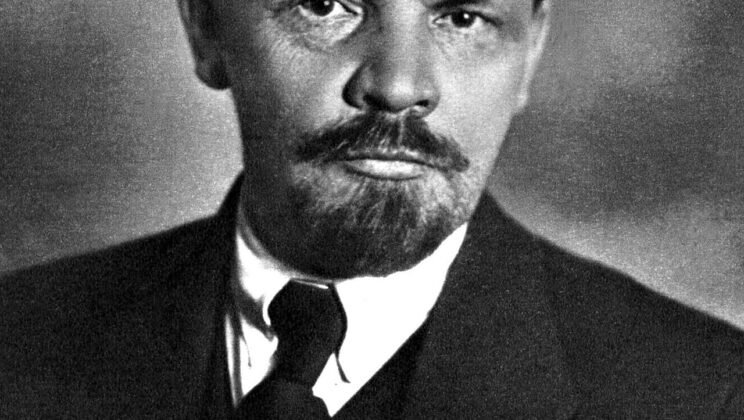
Vladimir Lenin

Vladimir Lenin (1870–1924) was a Russian revolutionary leader and the founder of the Russian Soviet Federative Socialist Republic, which later became the Soviet Union. Born Vladimir Ilyich Ulyanov, he became a prominent Marxist theorist and revolutionary, advocating for the overthrow of the Tsarist autocracy and the establishment of a proletarian state. Lenin’s leadership in the … Read more

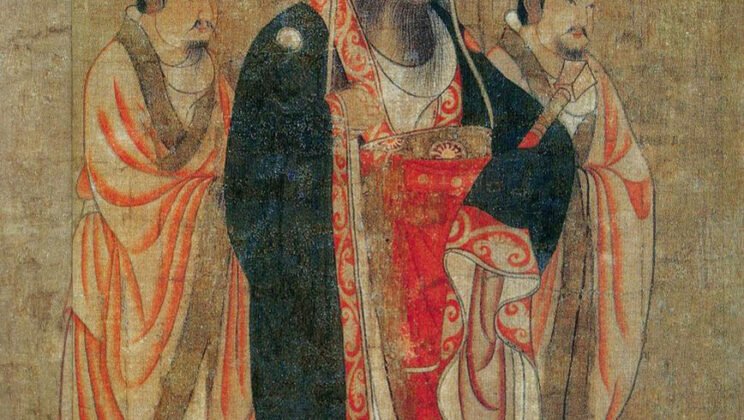
Emperor Wen of Sui

Emperor Wen of Sui (541–604), born Yang Jian, was the founder and first emperor of the Sui Dynasty in China, reigning from 581 to 604. He is best known for unifying China after nearly four centuries of fragmentation following the fall of the Han Dynasty, bringing an end to the period known as the Northern … Read more

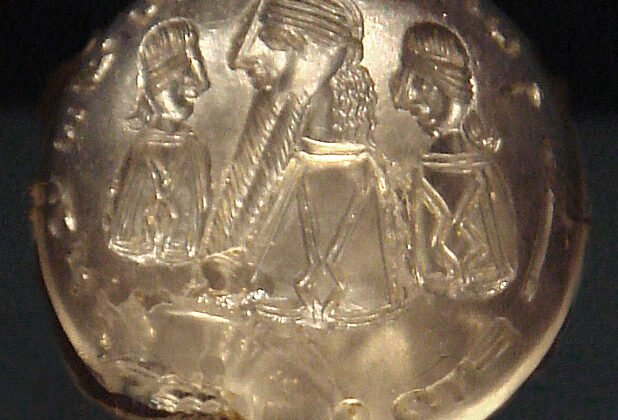
Mani (Prophet)

Mani (circa 216-274 CE) was a Persian prophet and the founder of Manichaeism, a syncretic religious movement that emerged in the 3rd century CE. Born in the Parthian Empire, Mani’s teachings combined elements of Zoroastrianism, Christianity, and Buddhism, creating a distinctive dualistic framework that emphasized the cosmic struggle between light and darkness. He claimed to … Read more

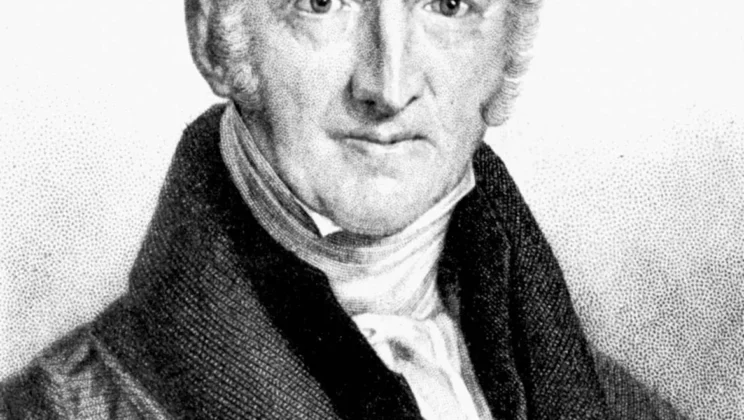
Thomas Robert Malthus

Thomas Robert Malthus (1766-1834) was an English economist and demographer best known for his influential theories on population growth. In his seminal work, An Essay on the Principle of Population (1798), Malthus argued that while population grows exponentially, food production only increases arithmetically, leading to inevitable shortages. He theorized that without checks such as famine, … Read more

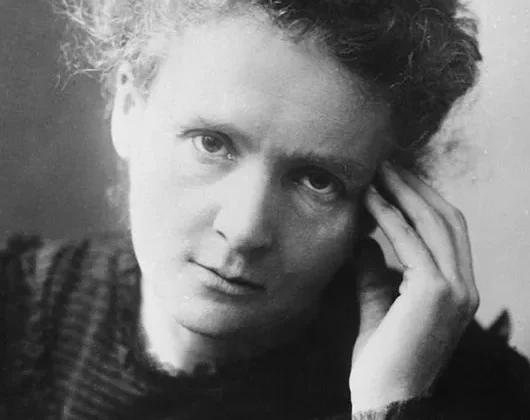
Marie Curie

Marie Curie (1867-1934) was a pioneering physicist and chemist who made groundbreaking contributions to the study of radioactivity. Born in Poland and later becoming a naturalized French citizen, Curie was the first woman to win a Nobel Prize and remains the only person to have won Nobel Prizes in two different scientific fields—Physics (1903) and … Read more

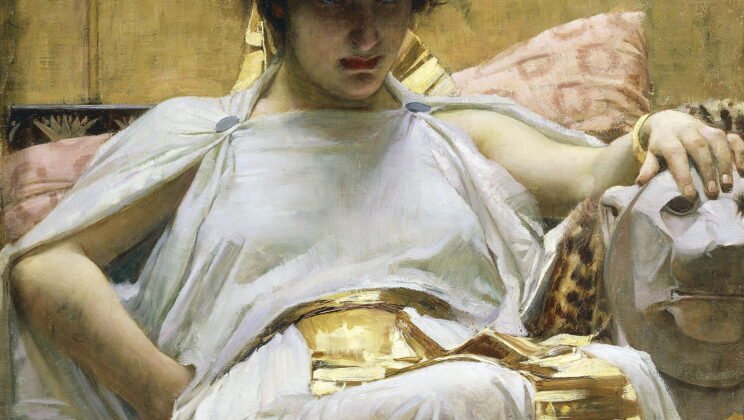
Cleopatra

Cleopatra VII (69–30 BCE) was the last active ruler of the Ptolemaic Kingdom of Egypt, renowned for her intelligence, political acumen, and dramatic life. Ascending to the throne at a young age, she navigated Egypt through a tumultuous period marked by internal strife and external threats from Rome. Cleopatra is famously known for her alliances … Read more

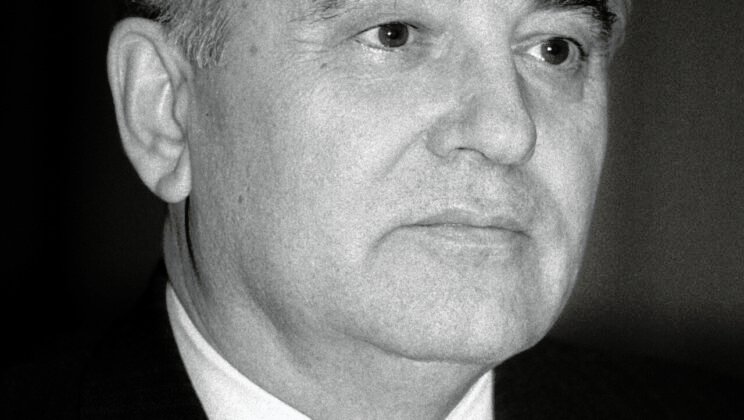
Mikhail Gorbachev

Mikhail Gorbachev (1931–2022) was a Soviet statesman who served as the last leader of the Soviet Union, holding the positions of General Secretary of the Communist Party from 1985 to 1991 and President of the Soviet Union from 1990 until its dissolution in 1991. Gorbachev is best known for his efforts to reform the Soviet … Read more

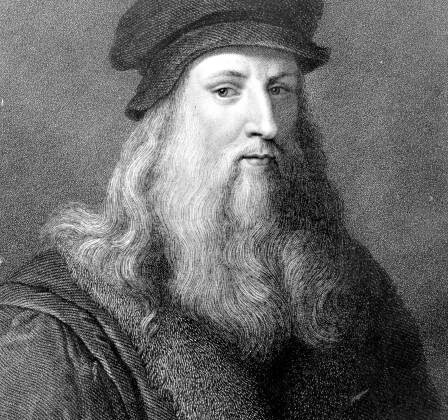
Leonardo da Vinci

Leonardo da Vinci (1452–1519) was an Italian polymath whose contributions spanned a wide range of fields, including art, science, engineering, anatomy, and more. Born in Vinci, Italy, Leonardo is best known as one of the greatest artists of all time, creating iconic works such as The Last Supper and Mona Lisa, masterpieces that have profoundly … Read more

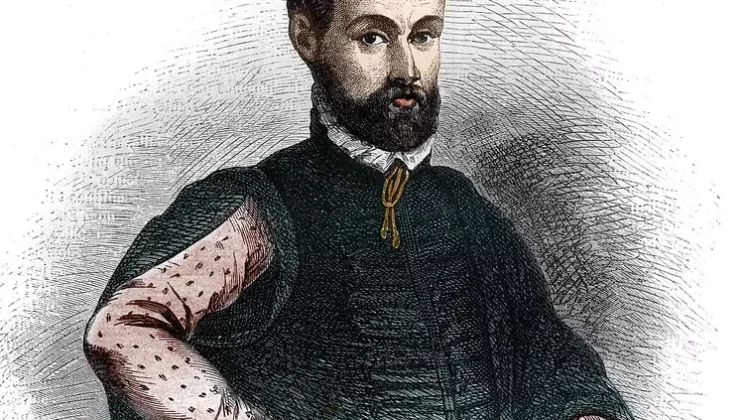
Niccolò Machiavelli

Niccolò Machiavelli (1469–1527) was an Italian diplomat, philosopher, and historian whose works laid the foundation for modern political science. Best known for his treatise The Prince, Machiavelli explored pragmatic and often controversial strategies for political leadership and statecraft, emphasizing the importance of practical effectiveness over moral ideals. His observations on power, governance, and human nature … Read more

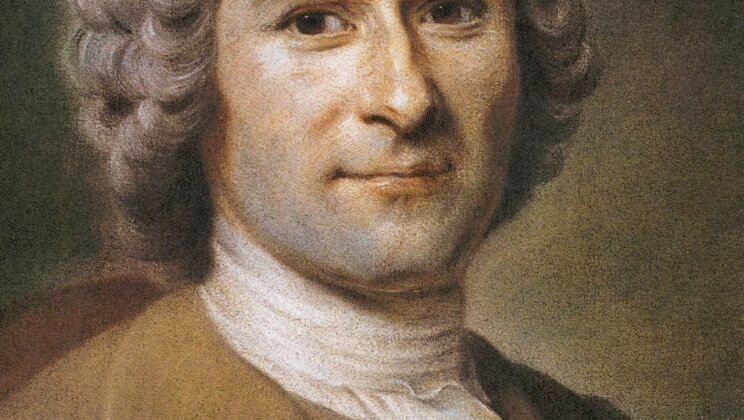
Jean-Jacques Rousseau

Jean-Jacques Rousseau (1712–1778) was a French philosopher, writer, and composer whose ideas greatly influenced the Enlightenment, the French Revolution, and modern political and educational thought. Rousseau is best known for his works on political philosophy, including The Social Contract, where he argued that legitimate political authority lies with the collective will of the people, and … Read more

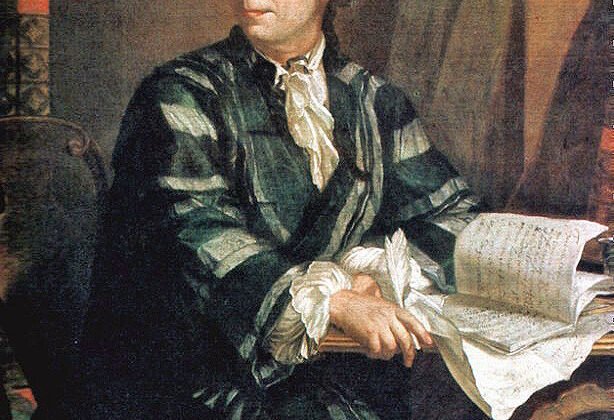
Leonhard Euler

Leonhard Euler (1707-1783) was a Swiss mathematician and physicist whose work has profoundly influenced many areas of mathematics. Euler made pioneering contributions to various fields including calculus, graph theory, topology, and number theory. His introduction of the concept of a function and notation for modern mathematical analysis, such as the use of ( e ) … Read more

Johannes Kepler

Johannes Kepler (1571–1630) was a German astronomer and mathematician who made pivotal contributions to the scientific revolution. Best known for formulating Kepler’s laws of planetary motion, he described how planets orbit the sun in elliptical paths rather than perfect circles, revolutionizing our understanding of the solar system. His work laid crucial groundwork for Isaac Newton’s … Read more

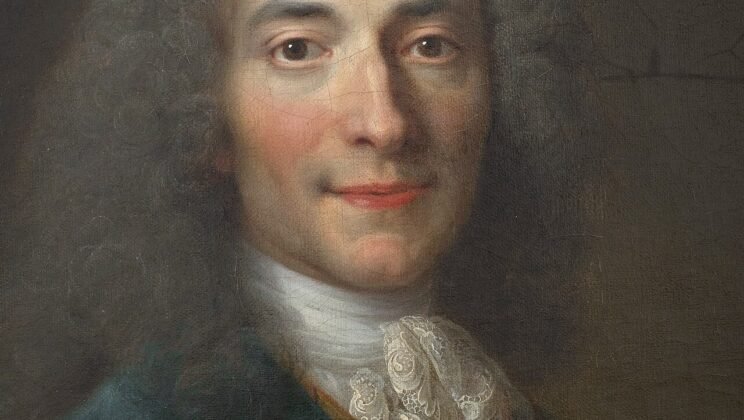
Voltaire

Voltaire, born François-Marie Arouet (1694–1778), was a leading French Enlightenment philosopher, writer, and critic. Renowned for his wit and advocacy of civil liberties, he championed freedom of speech, separation of church and state, and intellectual tolerance. Voltaire’s works include the famous satirical novella Candide, which critiques the philosophical optimism of his time through a series … Read more

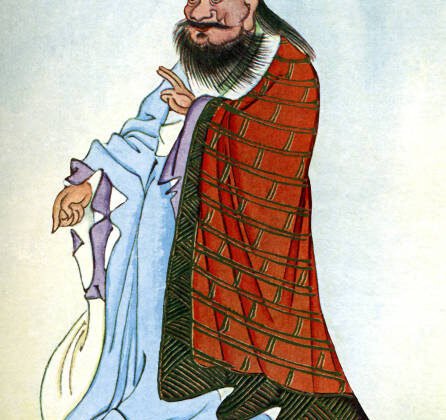
Laozi

Laozi, traditionally believed to have lived during the 6th century BCE, is a seminal figure in Chinese philosophy and the reputed author of the “Tao Te Ching,” a foundational text of Daoism (Taoism). Although much about his life remains shrouded in legend, Laozi is celebrated for his contributions to understanding the nature of existence and … Read more

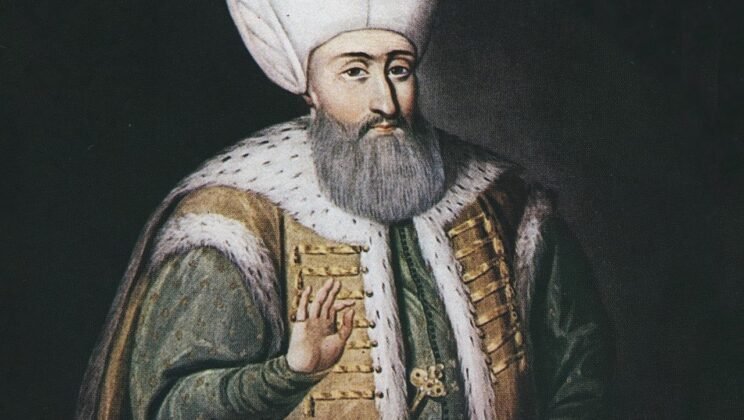
Suleiman the Magnificent

Suleiman the Magnificent (c. 1494–1566) was the 10th Sultan of the Ottoman Empire, ruling from 1520 to 1566. Often regarded as the empire’s most illustrious ruler, his reign marked the height of Ottoman power and influence. Suleiman’s leadership extended the empire’s territorial boundaries significantly through successful military campaigns in Europe, the Middle East, and North … Read more

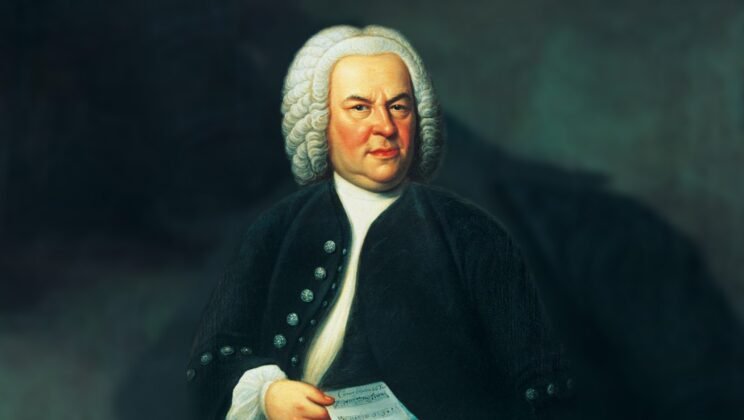
Johann Sebastian Bach

Johann Sebastian Bach (1685–1750) was a German composer, organist, and music teacher whose works are considered masterpieces of Baroque music. Born in a musical family in Eisenach, Bach’s compositions are renowned for their intricate counterpoint, harmonic sophistication, and expressive depth. His prolific output includes well-known works such as the “Brandenburg Concertos,” “The Well-Tempered Clavier,” and … Read more

Edward Jenner

Edward Jenner (1749–1823) was an English physician and scientist renowned for developing the smallpox vaccine, the world’s first vaccine. Born in Berkeley, Gloucestershire, Jenner made a groundbreaking discovery in 1796 when he observed that milkmaids who had contracted cowpox, a much milder disease, were immune to smallpox, a deadly and widespread disease at the time. … Read more

Wilhelm Röntgen

Wilhelm Conrad Röntgen (1845-1923) was a German physicist who is best known for his discovery of X-rays in 1895. While experimenting with cathode rays, Röntgen noticed a new type of radiation that could pass through opaque objects and produce images on photographic plates. He named these rays “X-rays” to signify their unknown nature. Röntgen’s discovery … Read more

Abraham Lincoln

Abraham Lincoln (1809–1865) was the 16th President of the United States, serving from 1861 until his assassination in 1865. Born in a log cabin in Kentucky, Lincoln rose from modest beginnings to become a key figure in American history. His presidency was defined by the American Civil War, a conflict that tested the nation’s commitment … Read more

William the Conqueror

William the Conqueror (c. 1028–1087) was the first Norman King of England, reigning from 1066 until his death. Born as the illegitimate son of the Duke of Normandy, William rose to power in a turbulent period, ultimately becoming one of the most significant figures in European history. His most notable achievement was the Norman Conquest … Read more