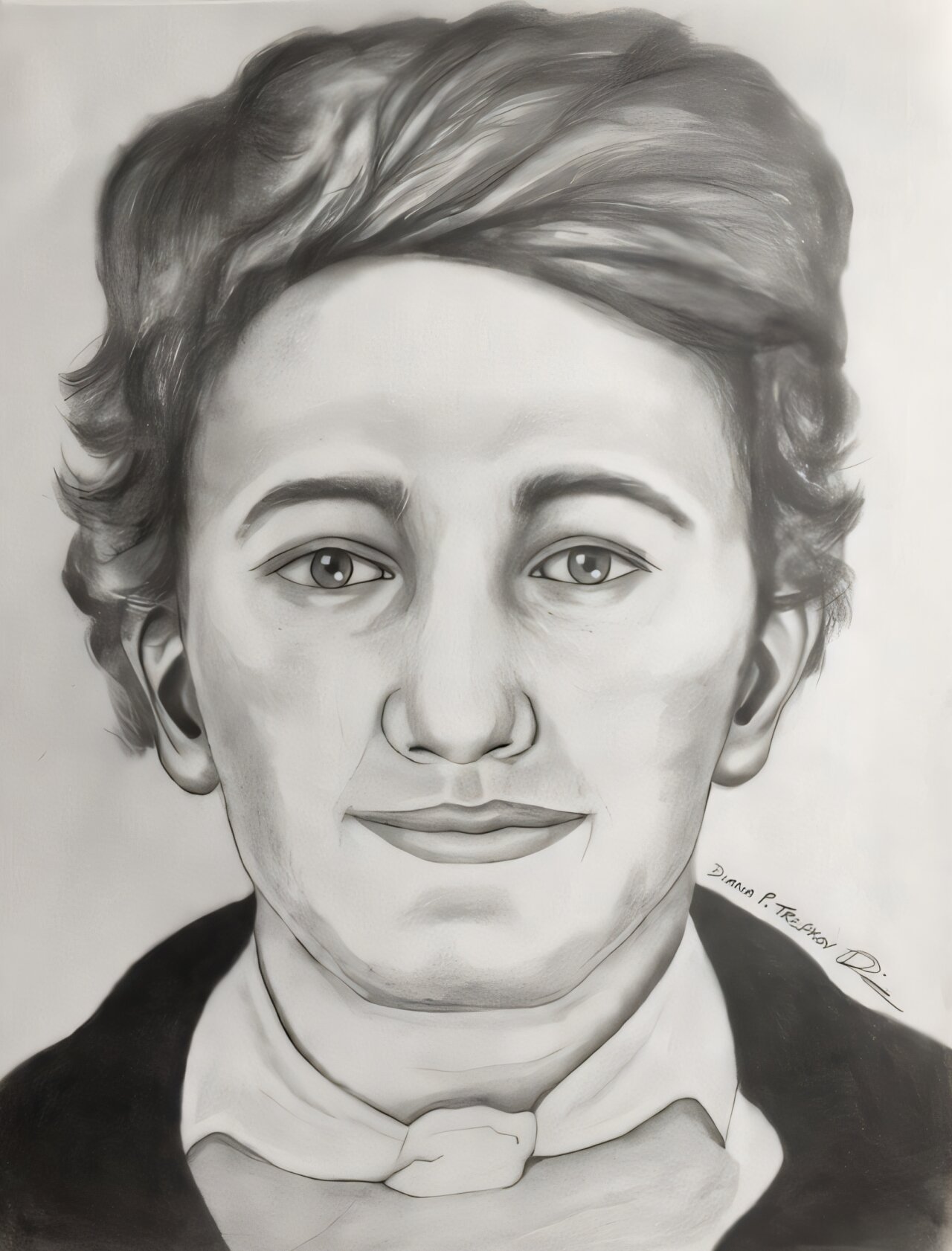
Researchers at the University of Waterloo have identified four additional sailors from Sir John Franklin’s doomed 1845 Arctic expedition by matching DNA from skeletal remains to living descendants. One of the identifications resolves a mystery debated since 1859, bringing the total number of definitively identified expedition members to six.
The Franklin expedition has long been remembered not just for its disappearance, but for the haunting fragments it left behind—bones, scattered artifacts, and unanswered questions buried in Arctic silence. Now, DNA evidence is giving names back to four more of the men who vanished in one of history’s most infamous exploration tragedies.
Anthropologists from the University of Waterloo’s Faculty of Arts led the research, using genetic analysis to link skeletal remains recovered from the Canadian Arctic with DNA donated by descendants living today. Among the newly identified individuals is a sailor whose identity was disputed for more than a century.
A Desperate Escape After Two Years Trapped in Ice
The final phase of the Franklin expedition unfolded in April 1848, after the ships Erebus and Terror had been frozen in Arctic ice for nearly two years.
At that point, 105 survivors attempted to escape on foot. They marched along the west coast of King William Island, Nunavut, hauling boats on sleds in a desperate bid to reach safety. None survived.
All 105 men died during the escape attempt.
Since the mid-19th century, remains believed to belong to expedition members have been found on King William Island and the nearby Adelaide Peninsula, but identifying individuals has remained extraordinarily difficult.
These new DNA-based identifications provide clearer insight into who survived long enough to attempt the escape—and where they ultimately perished.
Four Sailors Identified Through DNA Matches
The University of Waterloo team identified four additional members of the Franklin expedition by analyzing DNA extracted from skeletal remains and comparing it to DNA provided by living descendants.
The four newly identified sailors are:
William Orren, Able Seaman
David Young, Boy 1st Class
John Bridgens, Subordinate Officers’ Steward
Harry Peglar, Captain of the Foretop on HMS Terror
Their identification confirms that these men survived the expedition’s first three years and were part of the final doomed effort to flee the Arctic.
With these four identifications, the number of Franklin expedition sailors conclusively identified through genetic evidence has now reached six.
Three Men Died at Erebus Bay
According to Dr. Douglas Stenton, an Adjunct Assistant Professor of anthropology at Waterloo, three of the newly identified sailors served aboard HMS Erebus.
“Three of the sailors we have identified are from HMS Erebus, and they all died at Erebus Bay,” Stenton explained.
The discovery places these men at a known location tied to the expedition’s final collapse, offering more detail about how the escape attempt progressed—and where it ended for some of the crew.
One Sailor Was Found 130 Kilometers Away
The fourth identification stood out sharply.
The only sailor from HMS Terror definitively identified in this DNA analysis was located much farther from the others.
“He was found 130 kilometers away,” Stenton said.
That man was confirmed as Harry Peglar, Captain of the Foretop on HMS Terror.
This detail alone deepens the mystery of the expedition’s final movements, suggesting that at least one identified crew member ended up far from Erebus Bay during the escape attempt.
The Peglar Mystery, Debated Since 1859
Peglar’s identification does more than add a name to the record. It resolves a historical controversy stretching back 166 years.
In 1859, a body was discovered carrying Peglar’s personal documents. However, the clothing found on the body did not match Peglar’s rank, sparking long-standing confusion about whether the remains truly belonged to him.
The DNA evidence now confirms that the sailor was, in fact, Peglar.
“It was interesting to conclusively identify this sailor because the body was found with almost the only written documents from the expedition ever found,” said Dr. Robert Park, a Waterloo anthropology professor and co-researcher.
The documents became known as the “Peglar Papers.” They included Peglar’s seaman’s certificate, along with poetry and what appeared to be written descriptions of events during the expedition.
This makes Peglar not only a key figure in the expedition’s story, but also one of the few individuals directly connected to surviving written records from the doomed voyage.
Earlier Identifications Revealed a Darker Story
These four identifications build on earlier breakthroughs from the same research team.
In 2021, the team used descendant DNA to identify John Gregory, Engineer of HMS Erebus.
In 2024, they confirmed another major identification: James Fitzjames, Captain of Erebus. His remains showed evidence that he had been subjected to cannibalism.
In contrast, the remains of the four newly identified sailors show no evidence of cannibalism, according to the researchers.
This difference adds another layer of detail to the grim and complex story of the expedition’s collapse.
Descendants Provide the Missing Genetic Links
The identifications were possible only because living descendants agreed to provide DNA samples for comparison.
“For the living descendants, these findings provide previously unavailable details regarding the circumstances and locations of their relatives’ deaths, as well as the identities of some of the shipmates who died with them,” Stenton said.
One of the most striking discoveries involved Rich Preston, a BBC News journalist who turned out to be a descendant of John Bridgens.
“I was so intrigued when Dr. Stenton first contacted me telling me about his work and asking if I’d be willing to provide a DNA sample,” Preston said.
“It was such a huge surprise to hear from the team that my DNA was a match with one of the sailors on the doomed Franklin expedition.”
Preston, who previously worked on a BBC genealogy show, said learning his own family history was connected to the Franklin expedition was deeply personal—and unexpected.
How the DNA Analysis Delivered Definitive Matches
The genetic analysis was carried out by Stephen Fratpietro, a study co-author from Lakehead University.
Fratpietro extracted DNA from archaeological remains and compared it to mitochondrial DNA and Y-chromosome DNA from descendants.
In all four cases, the comparisons produced a match with a genetic distance of zero, which the researchers describe as strong evidence that the individuals share a common ancestor.
However, descendant DNA is not useful unless the lineage can be clearly documented. Eligible descendants must provide genealogical proof showing a direct, unbroken maternal or paternal line.
The researchers say more identifications may still be possible if additional descendants come forward.
The findings appear in two papers. “DNA identifications of three 1845 Franklin expedition sailors from HMS Erebus” appears in Journal of Archaeological Science: Reports. The second paper by the same authors, “Some very hard ground to heave’: DNA identification of Harry Peglar, Captain of the Foretop, HMS Terror, will appear in Polar Record.
Why This Matters
The Franklin expedition has been studied for generations, yet much of its human story has remained unresolved—names lost, remains unidentified, and final movements uncertain. These four DNA identifications provide rare clarity, restoring personal identities to individuals who died in the Arctic nearly two centuries ago.
Beyond solving a 166-year-old mystery surrounding Harry Peglar, the findings show how modern genetics can rewrite long-frozen history with scientific certainty. For descendants, the research offers something equally powerful: confirmation of where and how their relatives died, and a more complete understanding of one of the most tragic expeditions ever undertaken.