New research based on more than 1,000 fossil bones from northern Kenya suggests early humans were not simply opportunistic scavengers, but skilled and consistent meat foragers. Evidence from 1.6-million-year-old cut marks and hammerstone damage indicates they systematically butchered carcasses, transported valuable limb portions, and processed meat and nutrients with minimal interference from carnivores.
Early humans may have done more than just find leftovers—they may have known exactly what they were doing.
A detailed study of ancient animal fossils from Kenya is now revealing signs of deliberate planning, careful butchery, and the repeated transport of prized meat cuts. The evidence comes not from tools or campsites, but from the silent record etched into fossilized bone: microscopic marks left behind by stone blades and hammerstones nearly two million years ago.
Fossils from Koobi Fora Reveal a Clear Pattern
The findings come from research published in the Proceedings of the National Academy of Sciences, based on fossils excavated from the Koobi Fora Formation in northern Kenya.
Researchers examined more than 1,000 fossilized bone specimens, mostly belonging to antelopes and other grazing animals. Rather than focusing on what species were present, the team looked for something more telling: physical evidence of how those animals were processed after death.
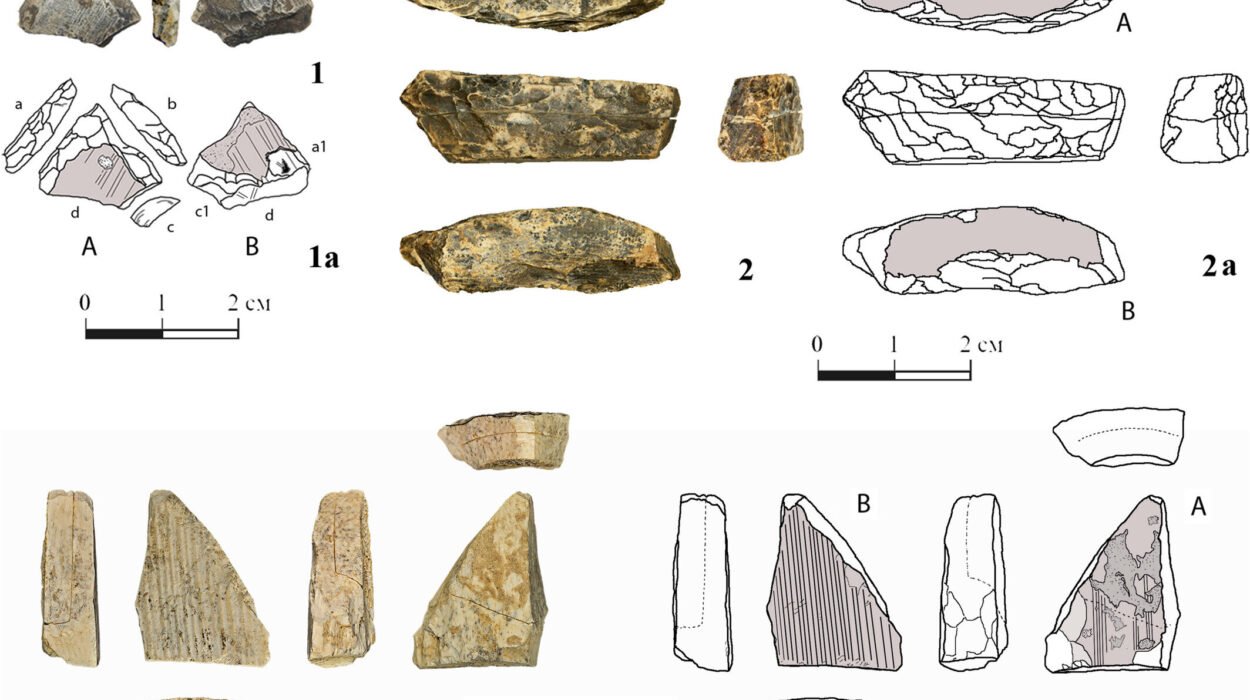
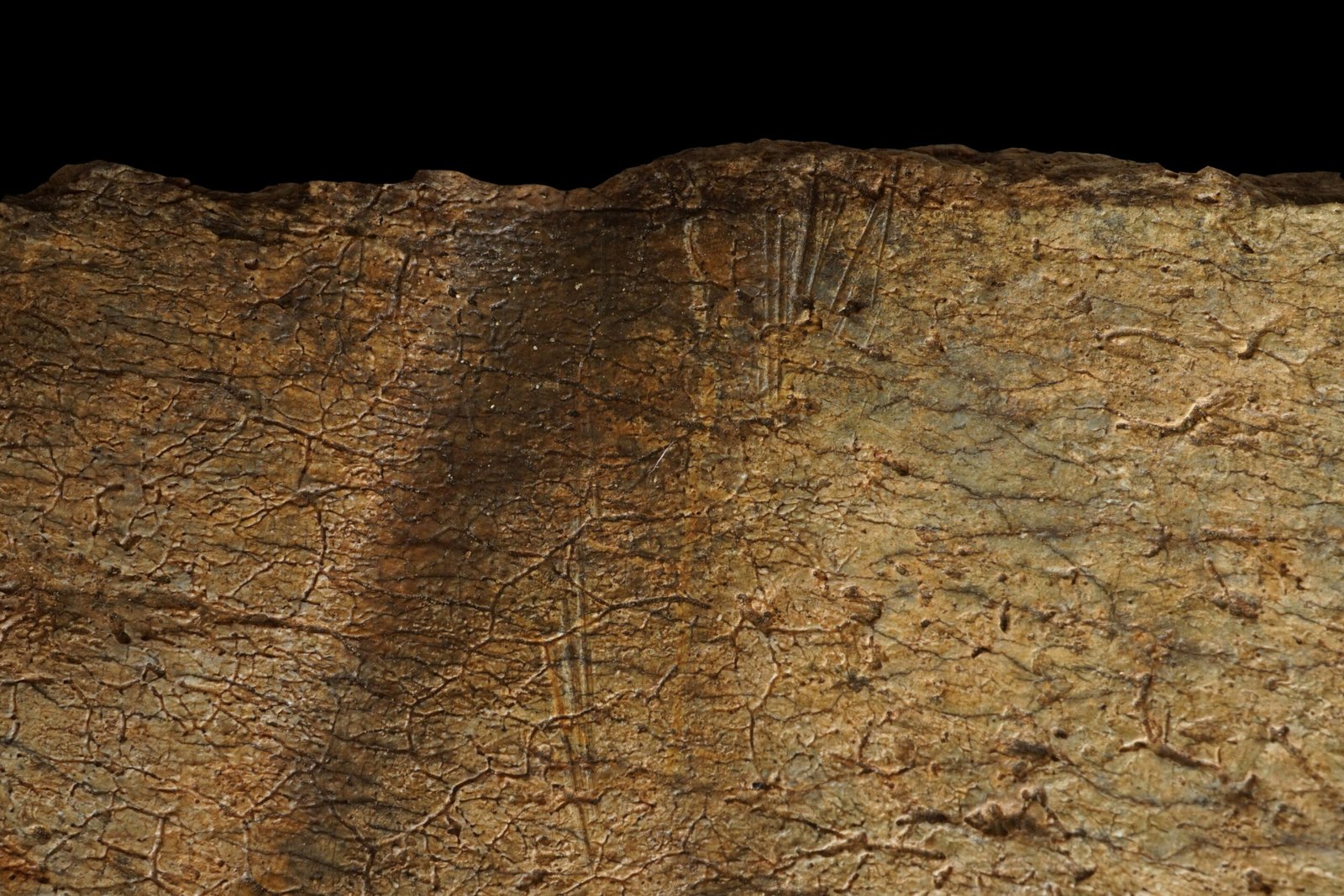
To do this, they used high-powered magnification to study microscopic damage on bone surfaces, including scratches, pits, and fractures. These tiny markings can reveal whether the bones were altered by stone tools, crushed by hammerstones, or gnawed by carnivores.
What they found suggested a surprisingly consistent and intentional strategy.
Cut Marks Suggest Early Access to Meat-Rich Carcasses
One of the most significant discoveries was the presence of sharp cut marks concentrated on the middle sections of leg bones.
That location matters. Marks on these areas are strongly associated with removing muscle tissue, meaning the animals still had substantial meat when early humans reached them. According to the researchers, the pattern indicates early Homo accessed carcasses early, not after predators had already stripped most edible tissue away.
In the study, the authors wrote that these patterns show early Homo “accessed carcasses early and intensively processed transported limbs, with minimal carnivore involvement.”
This conclusion challenges the idea that these humans survived mostly by scavenging scraps. Instead, the evidence points to repeated, deliberate exploitation of animal resources.
Hammerstone Damage Shows Intensive Nutrient Extraction
The bones did not only show evidence of cutting. Researchers also identified hammerstone marks, a sign that early humans deliberately smashed bones open.
This kind of processing suggests they were not only interested in meat, but also in accessing the nutrients inside bones. The combination of cut marks and hammerstone damage indicates a full butchery sequence: stripping meat, breaking bone, and extracting remaining edible resources.
Rather than occasional feeding events, the fossils suggest a repeated behavior that may have been central to survival.
Why So Many Leg Bones Were Left Behind
Another striking pattern was the type of remains found at the site.
Most of the fossils were leg bones, while skulls and vertebrae were comparatively rare. That imbalance matters because a full carcass typically leaves behind a more complete skeleton. If an animal died and was eaten in one location, scientists would expect to find many different skeletal parts scattered together.
Instead, Koobi Fora showed an overrepresentation of meat-rich limb bones. The researchers interpret this as evidence that early humans selectively transported the most valuable portions of the carcass.
Legs contain large muscle groups and are among the best sources of meat. Their dominance in the fossil record suggests these humans may have been making decisions about what to carry and what to leave behind.
Transporting Meat May Have Reduced Predator Risk
The researchers argue that the bone distribution points to early humans not staying at the kill or scavenging site for long.
Remaining in the open with a carcass could have been dangerous, especially if larger predators were nearby. Instead, the fossil evidence suggests early Homo may have carried limbs away from the original carcass location to eat elsewhere.
The study proposes that these transported parts were likely brought to safer locations—possibly more sheltered areas or places with lower predator threat. The researchers also suggest these locations may have been near water.
The pattern implies not only physical effort, but strategic thinking. Carrying heavy limbs requires planning and motivation, especially if the goal is to reduce competition and danger.
A Consistent Strategy Across Changing Environments
The Koobi Fora Formation was not a single uniform landscape. Around 1.6 million years ago, the region included multiple environments, ranging from vast grasslands to densely vegetated floodplains.
Despite this environmental diversity, researchers found evidence that early humans used the same carcass-processing strategy across different conditions.
The team wrote that “a consistent carcass-exploitation strategy was sustained across environmental heterogeneity and shifting competitive regimes.”
In other words, early humans were not simply reacting to one specific habitat or a rare opportunity. They appear to have repeatedly used a stable method for acquiring and processing animal food, even as landscapes and risks changed.
How Meat Access May Have Supported Human Evolution
The study’s authors connect these behaviors to a broader evolutionary question: what allowed early humans to develop larger brains and increasingly complex social behaviors?
The researchers suggest that consistent access to high-quality food, especially meat and nutrient-rich bone resources, could have helped provide the energy needed for long-term brain development. They also argue that transporting and processing food in safer locations may have encouraged forms of food sharing or group coordination.
While the study does not claim to prove exactly how social life evolved, it presents fossil evidence that early Homo had a dependable and repeated approach to obtaining valuable animal resources.
Why This Matters
This research strengthens the case that early humans were not passive survivors relying on chance scavenging. Instead, the fossil record at Koobi Fora suggests a deliberate system of butchery, selective transport, and intensive nutrient extraction dating back 1.6 million years.
That matters because it offers a clearer picture of how early Homo lived day to day—how they managed risk, how they gained access to energy-rich food, and how they may have built the foundations for later human development. The marks on these bones show behavior, not just biology, and they reveal that planning around food may have been a key step toward the human story that followed.