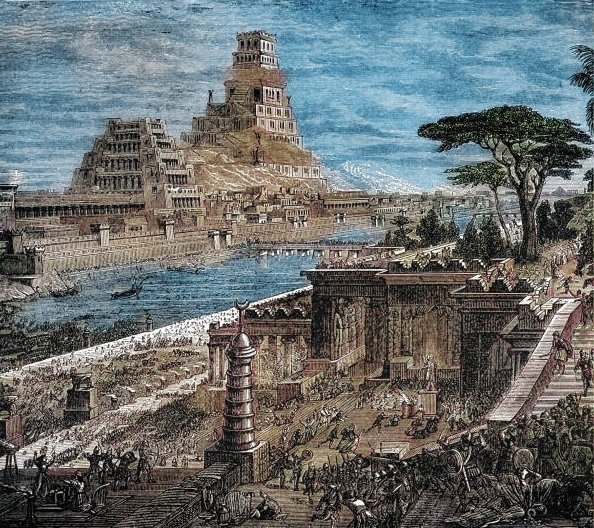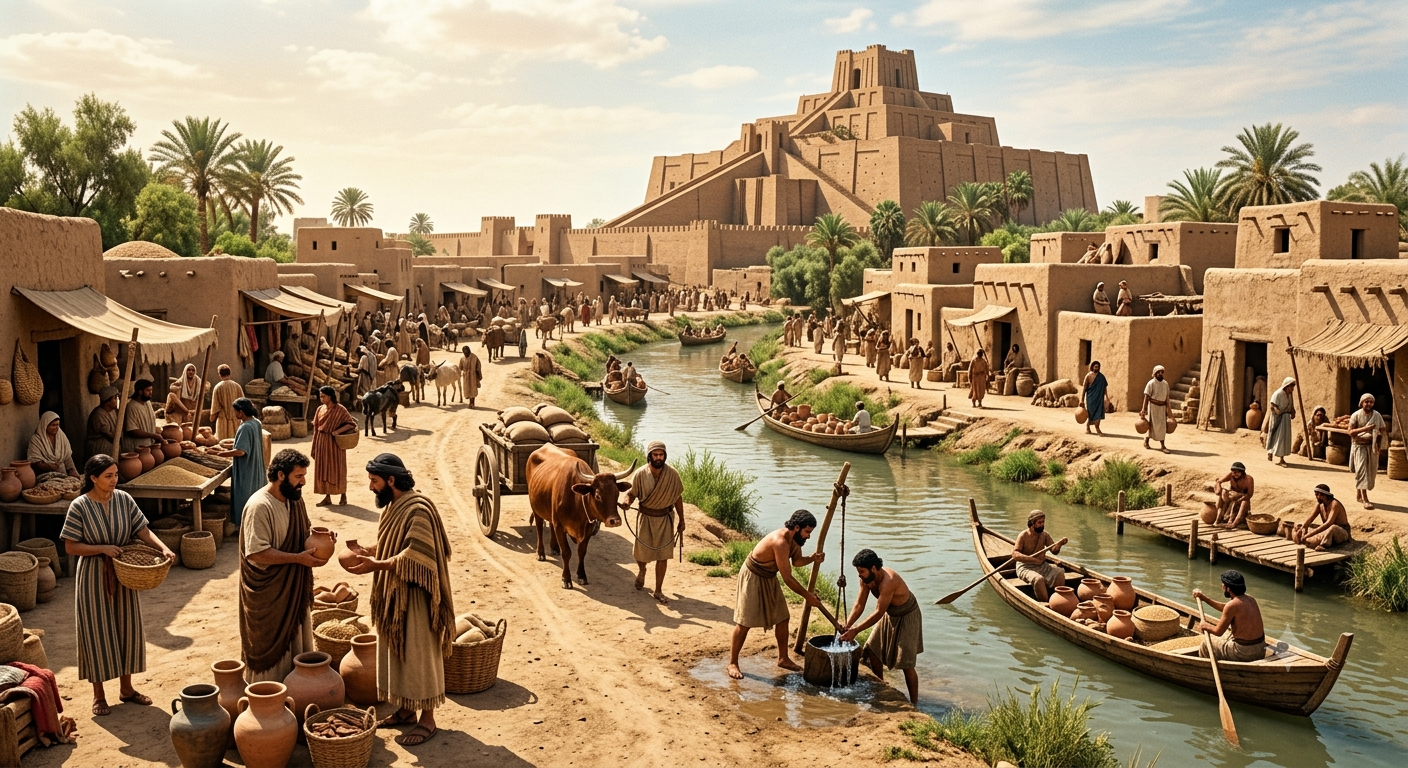
The first rays of sunlight stretch across a broad river, turning the water into shimmering gold. In the distance, farmers are already leading oxen into muddy fields. Smoke rises from clay ovens as families prepare their morning meal. Merchants begin arranging goods in busy marketplaces, while potters shape wet clay into bowls that will soon harden beneath the hot Mesopotamian sun.
There are no modern cities, no electricity, and no machines. Yet this land is alive with activity. It is one of the busiest places on Earth, where thousands of years ago people built some of the world’s earliest cities and laid the foundations of civilization.
This is ancient Mesopotamia.
Often called the “Cradle of Civilization,” Mesopotamia witnessed remarkable achievements in writing, law, mathematics, architecture, and agriculture. But behind these great accomplishments stood millions of ordinary people whose names history has largely forgotten. They were farmers, fishermen, bakers, weavers, brickmakers, traders, laborers, and servants. Their daily work made the cities possible and sustained kingdoms that rose and fell along the great rivers.
What was life really like for these common people? To answer that question, we must travel back more than four thousand years and spend an ordinary day in one of history’s first great civilizations.
A Land Between Two Great Rivers
Mesopotamia means “the land between rivers.” It refers to the region between the Tigris and Euphrates rivers, much of which lies within present-day Iraq, along with parts of Syria, Turkey, Iran, and Kuwait.
These rivers shaped every aspect of life.
Each year, seasonal floods deposited nutrient-rich silt onto surrounding fields. This fertile soil allowed farmers to grow abundant crops despite the region’s generally dry climate.
Unlike the predictable flooding of the Nile in Egypt, however, the Tigris and Euphrates could flood unpredictably. Some years brought generous harvests, while others brought devastating destruction.
Life depended on understanding these rivers and learning to work with them rather than against them.
Waking Before Sunrise
For most people, the day began long before sunrise.
Without electric lighting, families naturally followed the rhythm of daylight.
The first sounds of morning might include roosters crowing, donkeys braying, sheep bleating, and neighbors beginning their daily chores. Fires were rekindled from the previous night’s embers, and bread dough prepared the day before was baked in clay ovens.
Children helped fetch water from wells or nearby canals while adults prepared for work.
There was little time for relaxation.
Every day brought responsibilities that could not be postponed.
Homes Built from Mud Bricks
The homes of ordinary Mesopotamians reflected the materials available in their environment.
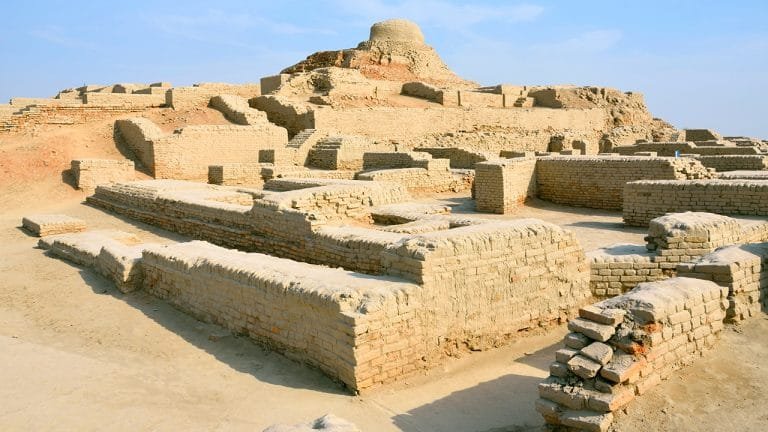
Stone and timber were relatively scarce in much of southern Mesopotamia. Instead, people built houses from mud bricks made by mixing clay, water, and chopped straw. The bricks were shaped in wooden molds and dried under the hot sun.
Although simple, these houses were surprisingly effective.
Their thick walls helped keep interiors cool during scorching summers and warmer during cooler nights.
Many homes were built around an open central courtyard where families cooked, worked, and gathered together. Rooms surrounding the courtyard served as sleeping areas, storage spaces, and workshops.
Roofs were usually flat and sometimes used for drying food or sleeping during especially hot weather.
The Family Worked Together
In Mesopotamia, survival depended on cooperation.
The household functioned as an economic unit where nearly everyone contributed according to age and ability.
Men often worked in agriculture, construction, fishing, trade, or skilled crafts.
Women managed many household tasks, prepared food, cared for children, spun thread, wove cloth, and in many cases also participated in farming, brewing, or small-scale commerce.
Children learned practical skills from an early age.
Instead of attending school, most boys and girls learned by watching and helping their parents. Only a small minority, usually from wealthier families, received formal education to become scribes.
Every member of the household had responsibilities.
Farming Was the Heart of Life
Agriculture supported the entire civilization.
Most common people lived in farming villages or worked fields belonging to temples, wealthy landowners, or the palace.
The fertile soil allowed farmers to grow barley, wheat, dates, lentils, onions, garlic, flax, and various vegetables.
Barley became especially important. It was used not only for making bread and beer but also sometimes served as a form of payment.
Because rainfall alone could not support reliable agriculture, irrigation was essential.
Farmers dug canals, ditches, reservoirs, and levees that carried river water into their fields.
Maintaining these irrigation systems required constant labor and cooperation among communities.
Without irrigation, many cities could not have survived.
Animals Were Part of Everyday Life
Animals played vital roles in daily work.
Oxen pulled plows across heavy fields.
Donkeys carried goods between villages and cities.
Sheep supplied wool for clothing.
Goats provided milk and meat.
Chickens became common later in Mesopotamian history, though they were not widespread during the earliest periods.
Fishing also contributed to many diets, especially for communities living near rivers, marshes, and canals.
Dogs guarded homes and livestock, while cats helped control rodents in food storage areas.
Animals were valuable members of the household economy.
Breakfast Was Simple
Meals reflected both local agriculture and social status.
For ordinary families, breakfast might consist of bread made from barley flour, onions, dates, and perhaps some cheese or yogurt.
Beer was an important beverage.
Unlike modern beer, Mesopotamian beer was usually thick, nutritious, and relatively low in alcohol. It often contained grain particles and was commonly consumed through long straws that filtered out sediment.
Water was available, but because river water could become contaminated, fermented beverages sometimes offered a safer alternative.
Meals were practical rather than luxurious.
Work Filled the Entire Day
After breakfast, the real work began.
Farmers headed into the fields.
Brickmakers mixed mud with straw and shaped bricks under the hot sun.
Potters molded clay into jars, bowls, and storage vessels.
Carpenters fashioned furniture and carts from imported wood.
Metalworkers produced tools, weapons, and ornaments from copper, bronze, and later iron.
Weavers transformed wool into cloth.
Bakers prepared bread for households and markets.
Every profession supported the growing cities.
The work was physically demanding and often continued until sunset.
Bustling Markets
Cities such as Ur, Uruk, Lagash, Babylon, and Nippur contained lively marketplaces where people bought, sold, and traded goods.
Farmers brought grain, vegetables, dates, wool, and livestock.
Craftsmen sold pottery, baskets, textiles, jewelry, leather goods, and tools.
Merchants imported valuable materials including cedar wood from the Levant, lapis lazuli from Afghanistan, copper from Oman, and precious stones from distant regions.
Markets were more than commercial centers.
They were places where news spread, friendships formed, and travelers shared stories from faraway lands.
Bread Was the Foundation of Every Meal
Bread was the staple food of Mesopotamia.
Archaeological evidence suggests that people produced many different kinds of bread using barley, wheat, and other grains.
Bread accompanied nearly every meal.
Dates added sweetness and energy.
Vegetables such as onions, leeks, beans, and lentils appeared regularly on the table.
Fish was common near waterways.
Meat from sheep, goats, or cattle was less common for ordinary families and often reserved for festivals or special occasions.
Cooking took place over open fires or in clay ovens.
Simple ingredients combined to sustain long hours of labor.
Clothing Was Practical
Ordinary Mesopotamians dressed according to climate and occupation.
Most clothing was made from wool, since sheep were abundant and wool production became one of Mesopotamia’s major industries.
Flax was also cultivated, allowing linen garments to be produced, though wool remained especially important.
Men typically wore simple skirts or wrapped garments.
Women’s clothing generally consisted of longer robes or dresses.
Sandals protected feet outdoors, though many people also walked barefoot.
Jewelry was worn by people of various social classes when affordable, often made from shells, beads, copper, or bronze.
Religion Was Woven into Daily Life
Religion touched nearly every aspect of Mesopotamian society.
People believed numerous gods governed nature, weather, fertility, rivers, war, and the heavens.
Every city honored its own patron deity through magnificent temples.
Common people prayed for healthy crops, protection from disease, successful childbirth, and family well-being.
Offerings of food, drink, incense, or valuable goods were presented at temples.
Religious festivals brought communities together in celebration and reinforced shared beliefs.
The towering ziggurats that dominated city skylines reminded everyone of the close relationship between humans and the divine.
Laws Reached Ordinary People
Ancient Mesopotamia developed some of history’s earliest written legal systems.
Among the most famous is the Code of Hammurabi, created during the reign of the Babylonian king Hammurabi around the eighteenth century BCE.
The code addressed issues such as property, trade, wages, family matters, inheritance, contracts, and crime.
Although punishments often differed according to social status, the existence of written laws represented an important step toward organized government.
For ordinary citizens, these laws influenced everyday business and family life.
Education Was Rare
Most common children never learned to read or write.
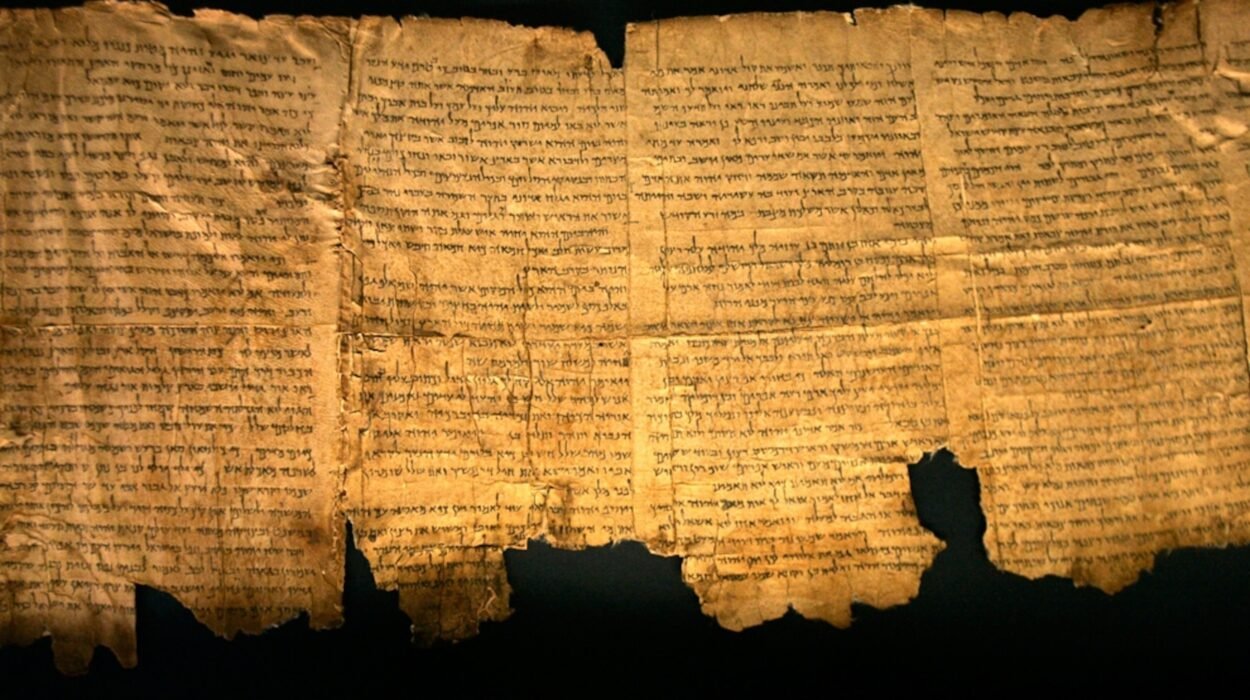
Writing used cuneiform, a script impressed into soft clay tablets with a reed stylus.
Learning cuneiform required years of study.
Students practiced hundreds of signs while memorizing vocabulary, mathematics, and administrative records.
Because this education demanded significant time and resources, it was generally reserved for future scribes, administrators, priests, and elite families.
For most people, knowledge passed from one generation to the next through observation and experience.
Women Had Important Roles
Women’s lives varied according to social class, location, and historical period.
Many women worked alongside men in agriculture or household industries.
Others became skilled weavers, brewers, merchants, priestesses, or business owners.
Legal documents preserved on clay tablets reveal that some women owned property, signed contracts, inherited wealth, and participated in commercial transactions.
At the same time, society remained largely patriarchal, with men generally holding greater political and legal authority.
Even so, women’s contributions were essential to family survival and the wider economy.
Children Grew Up Quickly
Childhood in ancient Mesopotamia was very different from today.
Children played games with dolls, toy animals, balls, and small carts, many of which have been uncovered by archaeologists.
Yet play occupied only part of their lives.
From an early age, children learned household duties and practical skills.
Boys often assisted in farming or their father’s occupation.
Girls commonly helped prepare food, weave cloth, care for younger siblings, and manage household tasks.
Growing up meant gradually assuming adult responsibilities.
Health and Medicine
Life expectancy in ancient Mesopotamia was much lower than today.
Injuries, infectious diseases, poor sanitation, and childbirth complications claimed many lives.
Mesopotamian healers combined practical treatments with religious rituals.
Medical texts written on clay tablets describe symptoms, herbal remedies, bandaging techniques, and surgical procedures.
Some treatments reflected careful observation, while others relied on spiritual beliefs about illness.
Despite limited scientific knowledge compared with modern medicine, Mesopotamian physicians attempted to diagnose diseases systematically, making valuable contributions to the early history of medicine.
Nature Could Bring Disaster
The fertile rivers that sustained life could also become dangerous.
Floods sometimes destroyed villages and crops.
Drought reduced harvests.
Dust storms swept across the plains.
Crop failures could lead to famine.
Political conflicts between neighboring kingdoms added further uncertainty.
For ordinary families, survival depended not only on hard work but also on forces beyond human control.
Evenings at Home
As the sun disappeared below the horizon, the pace of life gradually slowed.
Families returned from fields and workshops.
Evening meals were shared in the courtyard or inside the home.
Oil lamps illuminated the darkness.
Parents repaired tools, spun wool, or prepared for the following day’s work.
Stories were told about gods, legendary kings, heroic adventures, and family ancestors.
Children gradually drifted to sleep while adults discussed harvests, trade, or local events.
Tomorrow would begin before sunrise once again.
Archaeology Gives Ordinary People a Voice
Much of what we know about daily life comes from archaeology rather than royal inscriptions.
Excavations at ancient cities have uncovered ordinary houses, cooking pots, grinding stones, farming tools, toys, jewelry, woven textiles, animal bones, seeds, and countless clay tablets recording taxes, wages, marriage agreements, shopping lists, and legal disputes.
Scientific methods such as radiocarbon dating, botanical analysis, zooarchaeology, residue analysis, and isotope studies help researchers reconstruct ancient diets, occupations, environments, and health.
These discoveries reveal not only how kings ruled but also how ordinary families lived, worked, and survived.
They remind us that civilization was built from countless everyday lives.
The Legacy of the Common People
The history of Mesopotamia is often told through the achievements of powerful rulers, magnificent temples, and impressive cities. Yet none of these accomplishments would have existed without ordinary people.
Farmers grew the grain that fed expanding populations.
Brickmakers built towering walls and temples.
Craftsmen supplied every household with tools and pottery.
Merchants connected distant civilizations through trade.
Women maintained homes, produced textiles, raised children, and contributed to the economy in countless ways.
Children learned the skills that kept communities alive generation after generation.
Their lives were filled with long hours of labor, uncertainty, family devotion, religious traditions, and moments of celebration. They experienced joy, grief, hope, and hardship much as people do today.
Although thousands of years separate us from the people of ancient Mesopotamia, their daily routines feel surprisingly familiar. They worked to provide for their families, worried about the weather, celebrated important milestones, cared for loved ones, and dreamed of a better future.
The great cities of Mesopotamia may now lie in ruins, but the legacy of its common people endures. Their determination, ingenuity, and resilience helped create one of humanity’s first great civilizations—a legacy that still shapes the modern world in ways we often fail to notice.