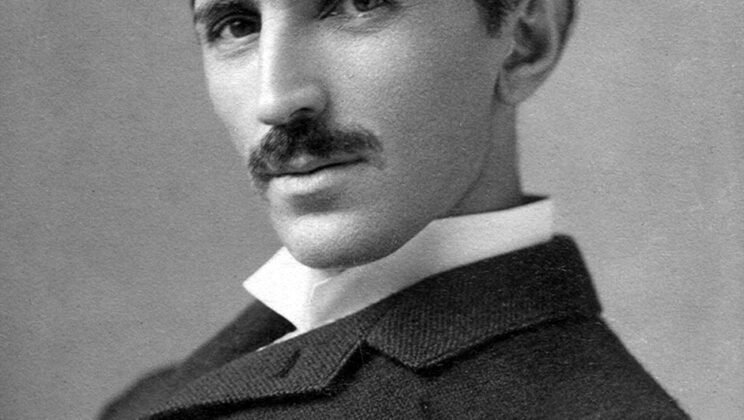
Nikola Tesla

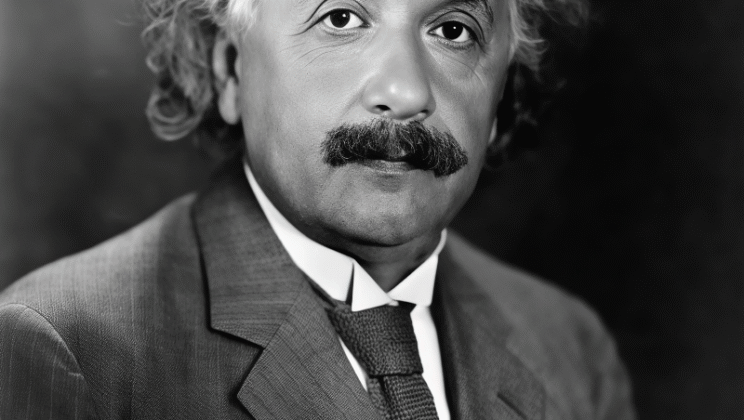
Nikola Tesla (1856–1943) was a Serbian-American inventor, electrical engineer, and physicist renowned for his groundbreaking work in electromagnetism and wireless technology. Tesla’s innovations significantly advanced the development of alternating current (AC) electrical systems, which became the standard for power distribution. His inventions include the Tesla coil, which is fundamental to radio technology and wireless communication. … Read more

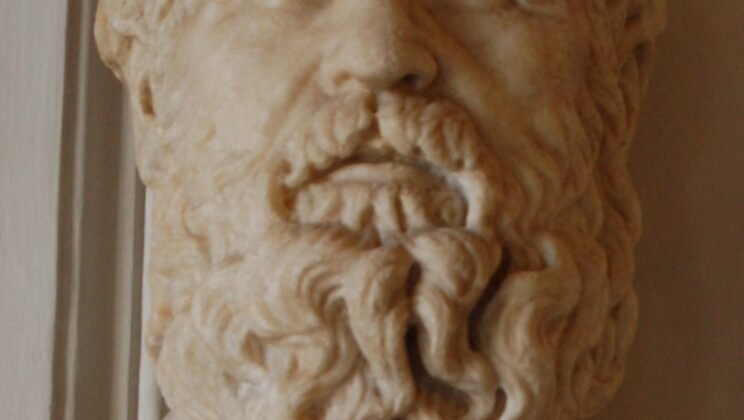
Heraclitus

Heraclitus of Ephesus (c. 535–475 BCE) was a pre-Socratic Greek philosopher known for his doctrine of change, encapsulated in the famous phrase, “You cannot step into the same river twice.” He believed that the fundamental nature of reality is constant flux, where everything is in a state of perpetual change. Heraclitus saw fire as the … Read more

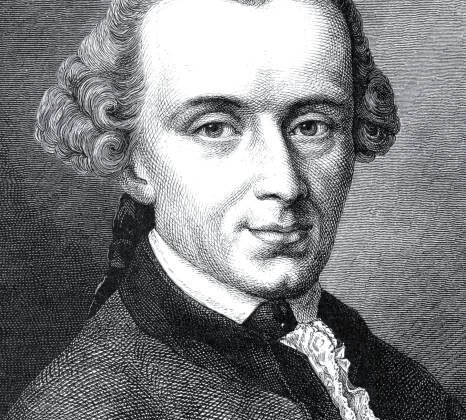
Immanuel Kant

Immanuel Kant (1724–1804) was a German philosopher whose work significantly shaped modern philosophy and the Enlightenment. Born in Königsberg (now Kaliningrad, Russia), Kant is best known for his development of critical philosophy, particularly through his seminal works Critique of Pure Reason, Critique of Practical Reason, and Critique of Judgment. His philosophy introduced the concept of … Read more

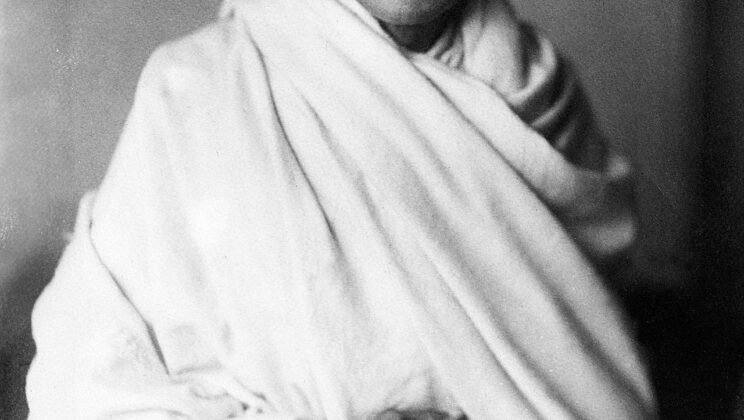
Mahatma Gandhi

Mahatma Gandhi (1869–1948) was a pivotal leader in the Indian struggle for independence from British rule, renowned for his philosophy of nonviolent resistance. Born in Porbandar, India, Gandhi trained as a lawyer in London before becoming a key figure in the Indian nationalist movement. His approach, known as Satyagraha, advocated for civil disobedience and nonviolent … Read more

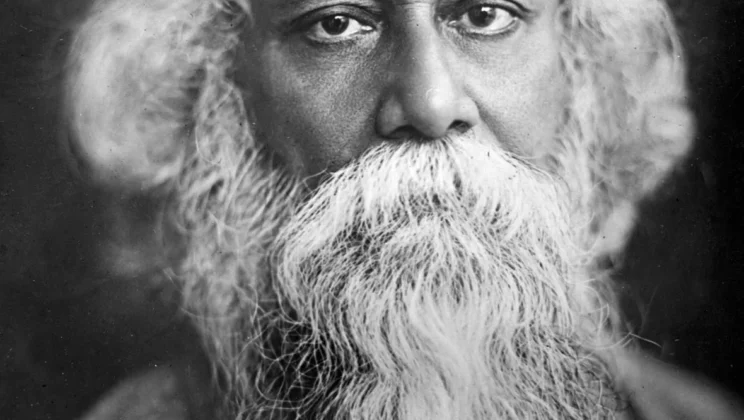
Rabindranath Tagore

Rabindranath Tagore (1861–1941) was an Indian poet, writer, philosopher, and polymath who reshaped Bengali literature and music, as well as Indian art, with his deeply expressive and innovative works. Born in Calcutta (now Kolkata) into a prominent family, Tagore became the first non-European to win the Nobel Prize in Literature in 1913 for his book … Read more

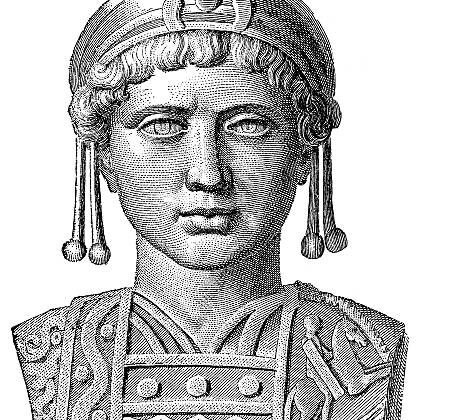
Justinian I

Justinian I (circa 482-565 CE) was Byzantine Emperor from 527 to 565, renowned for his ambitious efforts to restore the Roman Empire’s former glory and his significant contributions to Byzantine law and architecture. His reign is marked by the codification of Roman law, resulting in the Corpus Juris Civilis (Body of Civil Law), which profoundly … Read more

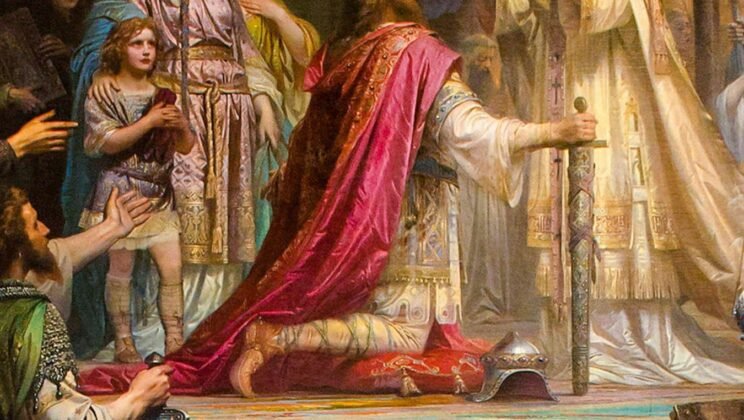
Charlemagne

Charlemagne (circa 742-814 CE), also known as Charles the Great, was King of the Franks from 768 and Emperor of the Carolingian Empire from 800. Often referred to as the “Father of Europe,” Charlemagne is credited with uniting much of Western Europe for the first time since the Roman Empire. His reign marked the Carolingian … Read more

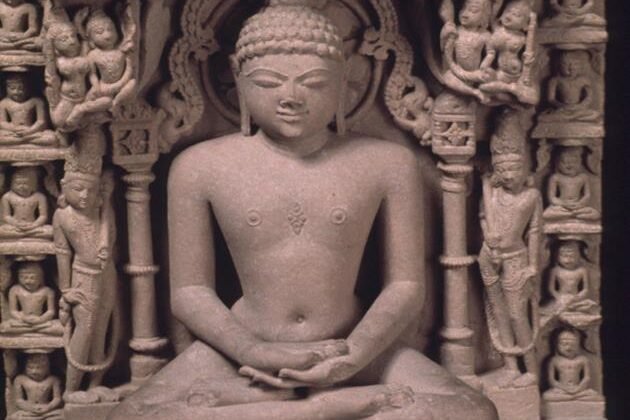
Mahavira

Mahavira (c. 599–527 BCE) was a significant figure in ancient Indian philosophy and the 24th Tirthankara in Jainism. Renowned for his teachings on non-violence, non-possessiveness, and self-discipline, Mahavira is considered a reformer and key proponent of Jain principles. His life was marked by a rigorous asceticism and a quest for spiritual liberation, which he achieved … Read more

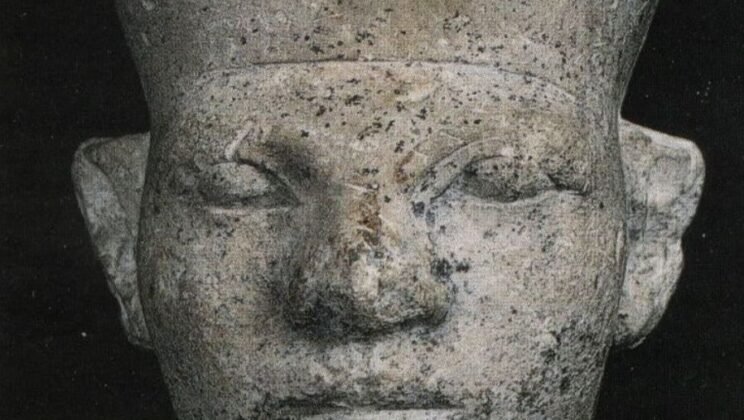
Menes

Menes, also known as Narmer, is traditionally credited with unifying Upper and Lower Egypt around 3100 BCE, marking the beginning of the First Dynasty and the Early Dynastic Period of ancient Egypt. Though historical evidence for Menes is somewhat ambiguous, he is often depicted as a pivotal figure in Egypt’s early history. According to ancient … Read more

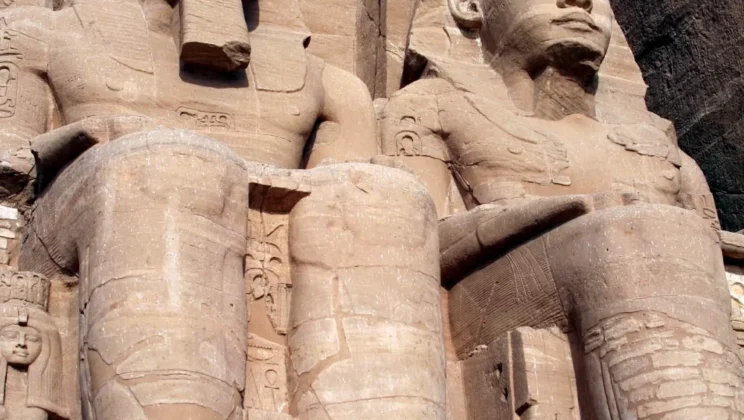
Ramesses II

Ramesses I (c. 1306–1290 BCE) was the founder of Egypt’s 19th Dynasty and played a key role in reviving the strength and prestige of the New Kingdom after a period of decline. Originally a military commander and vizier under Pharaoh Horemheb, Ramesses I was chosen to succeed him due to his loyalty and leadership capabilities. … Read more

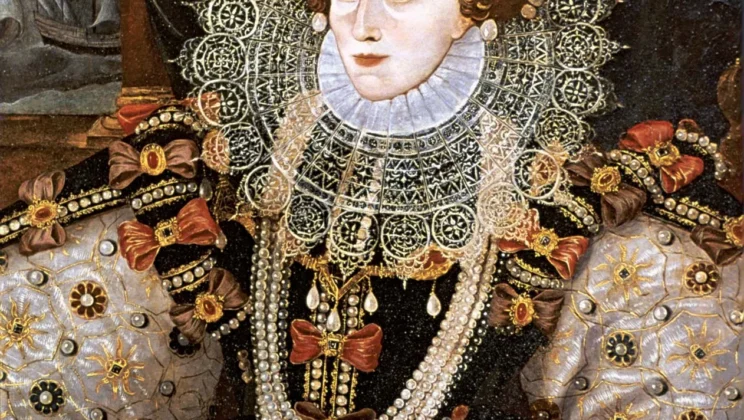
Elizabeth I

Elizabeth I (1533–1603) was the Queen of England and Ireland from 1558 until her death in 1603. The daughter of King Henry VIII and Anne Boleyn, Elizabeth is remembered as one of the most effective and influential monarchs in English history. Her reign, known as the Elizabethan Era, was marked by the flourishing of English … Read more

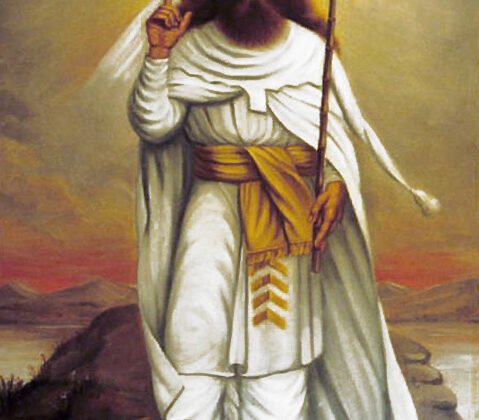
Zoroaster

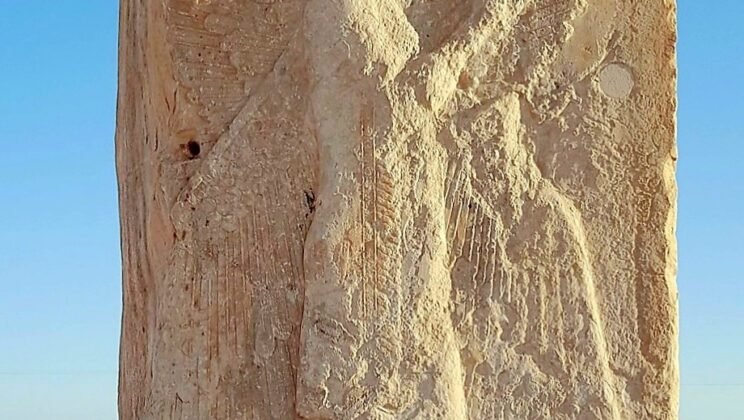
Zoroaster, also known as Zarathustra, was an ancient Persian prophet and founder of Zoroastrianism, one of the world’s oldest monotheistic religions. Although the exact dates of his life are uncertain, he is traditionally believed to have lived sometime between 1500 and 600 BCE. Zoroaster’s teachings centered on the worship of Ahura Mazda, the supreme god, … Read more

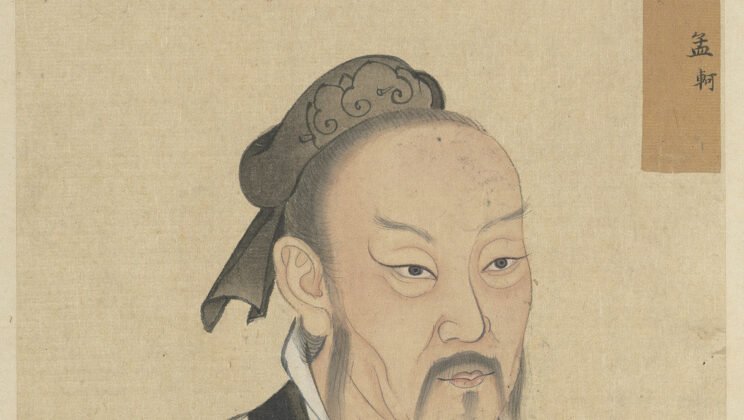
Mencius

Mencius (c. 372–289 BCE) was a Chinese philosopher and a key figure in Confucianism, often regarded as the most significant follower of Confucius. Born Meng Ke in the state of Zou during the Warring States period, Mencius expanded on Confucian thought, emphasizing the inherent goodness of human nature and the importance of righteous governance. He … Read more

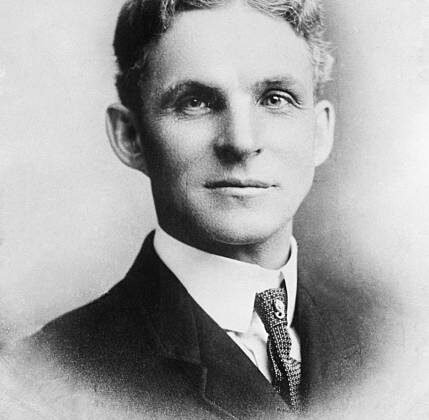
Henry Ford

Henry Ford (1863–1947) was an American industrialist and founder of the Ford Motor Company, renowned for revolutionizing the automobile industry with the introduction of mass production techniques. Born in Dearborn, Michigan, Ford is best known for developing the Model T, an affordable and reliable car that made personal transportation accessible to the masses. He pioneered … Read more

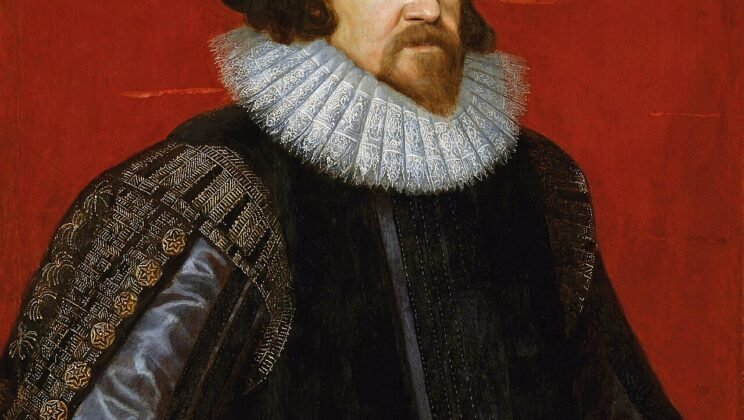
Francis Bacon

Francis Bacon (1561-1626) was an English philosopher, statesman, scientist, and author who played a key role in the development of the scientific method. Often regarded as the father of empiricism, Bacon championed the idea that knowledge should be derived from inductive reasoning and careful observation of the natural world, rather than relying solely on tradition … Read more

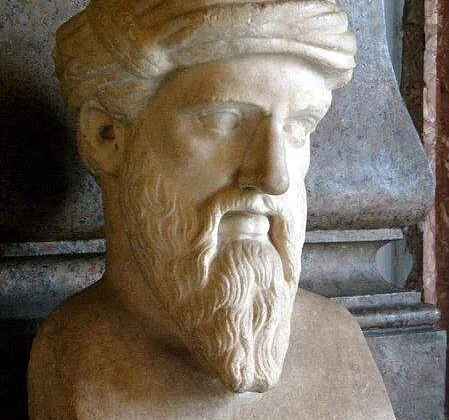
Pythagoras

Pythagoras (circa 570-495 BCE) was an ancient Greek philosopher and mathematician best known for the Pythagorean theorem, which states that in a right-angled triangle, the square of the length of the hypotenuse is equal to the sum of the squares of the other two sides. Although he left no written records, his contributions to mathematics … Read more

Peter the Great

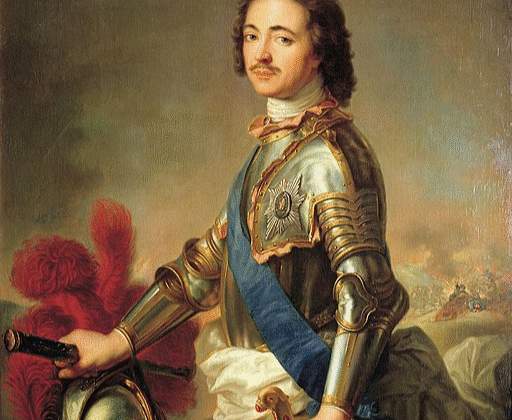
Peter the Great (1672–1725) was a Russian czar who ruled from 1682 until his death and is widely credited with transforming Russia into a major European power. Born as Pyotr Alekseyevich Romanov, he embarked on a series of sweeping reforms that modernized Russia’s military, government, and society. Peter was determined to westernize Russia, adopting European … Read more

Cyrus the Great

Cyrus the Great (c. 600–530 BCE) was the founder of the Achaemenid Empire, the first Persian Empire, and is widely regarded as one of history’s most enlightened and powerful rulers. Through a series of military conquests, he united the Medes and Persians and expanded his empire to include much of Southwest Asia, including Babylon and … Read more

Vasco da Gama

Vasco da Gama (c. 1460–1524) was a Portuguese explorer who became one of the most significant figures in the Age of Discovery. Best known for being the first European to reach India by sea, Da Gama’s groundbreaking voyage in 1497–1499 connected Europe and Asia through a direct maritime route around the southern tip of Africa. … Read more