Thomas Edison

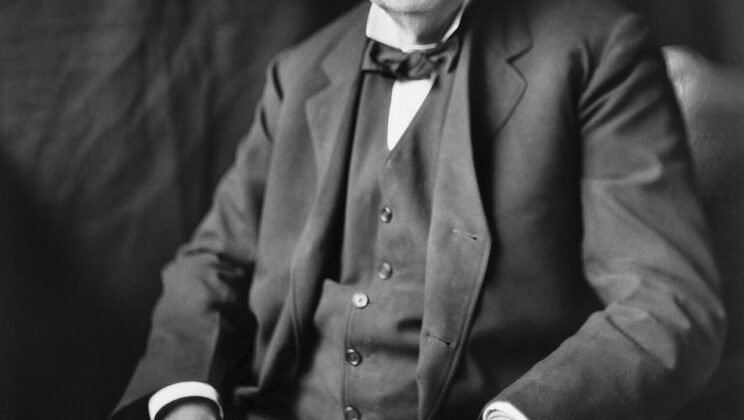
Thomas Edison (1847–1931) was an American inventor and entrepreneur who is widely regarded as one of history’s most prolific inventors. Born in Milan, Ohio, Edison developed numerous devices that greatly influenced life around the world, earning him the nickname “The Wizard of Menlo Park.” Among his most famous inventions are the phonograph, the motion picture … Read more

Johannes Gutenberg

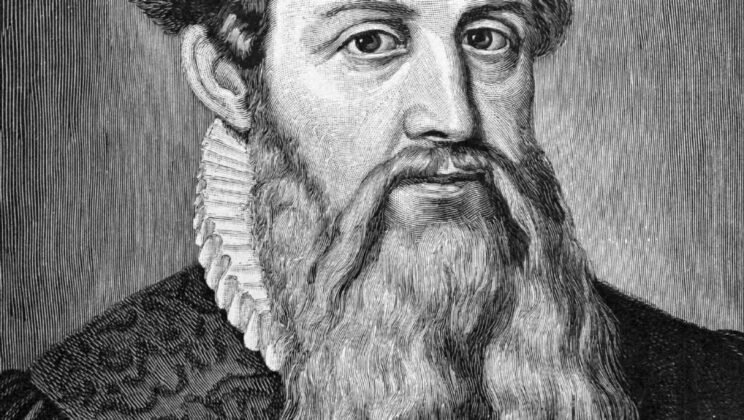
Johannes Gutenberg (c. 1400–1468) was a German inventor and printer whose introduction of movable type printing in Europe revolutionized the production of books and the spread of knowledge. His most famous work, the Gutenberg Bible, was the first major book printed using his innovative technology around 1455. Before Gutenberg’s invention, books were painstakingly copied by … Read more

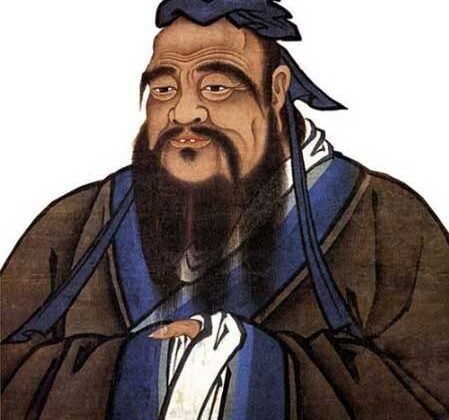
Confucius

Confucius (551–479 BC) was a Chinese philosopher, teacher, and political figure whose ideas have deeply influenced Chinese culture and East Asian civilization for over two millennia. Born in the state of Lu during a time of social and political turmoil, Confucius developed a philosophy centered on ethics, morality, and social harmony. His teachings, which emphasized … Read more

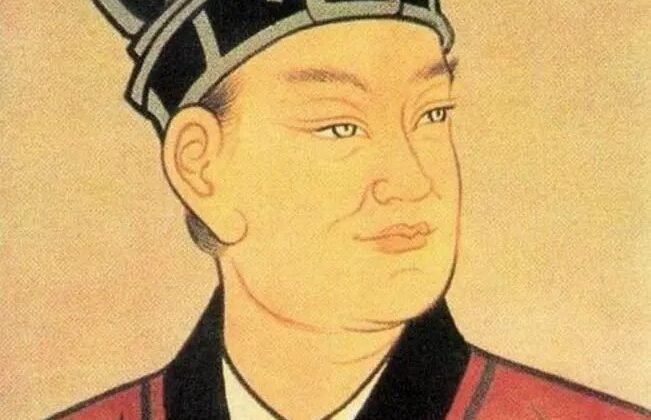
Cai Lun

Cai Lun (c. 50–121 AD) was a Chinese inventor and official during the Eastern Han Dynasty, renowned for his significant contribution to the development of paper. Widely credited with the invention of paper as we know it today, Cai Lun’s innovation revolutionized the way information was recorded, stored, and disseminated, profoundly influencing the course of … Read more

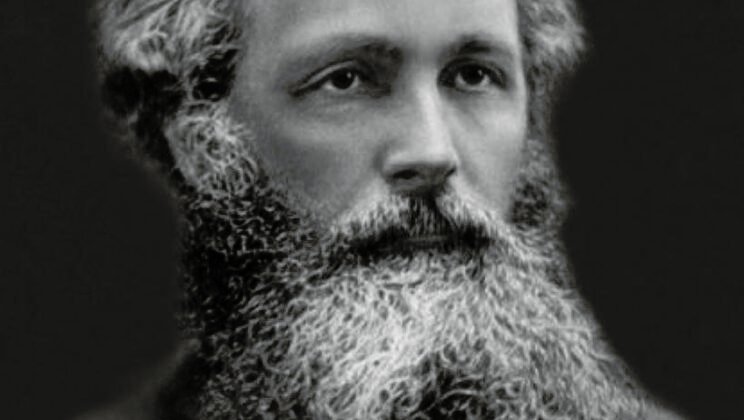
James Clerk Maxwell

James Clerk Maxwell (1831–1879) was a Scottish physicist and mathematician whose groundbreaking work in electromagnetic theory laid the foundation for modern physics. Born in Edinburgh, Maxwell displayed an exceptional talent for mathematics from a young age. His most notable achievement was formulating the set of equations, known as Maxwell’s equations, which describe the behavior of … Read more

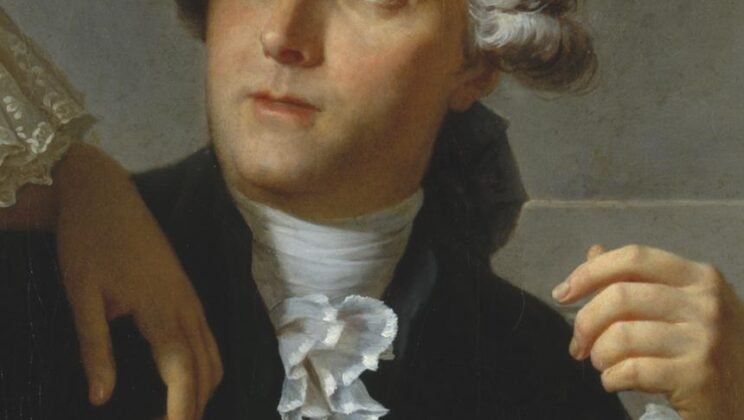
Antoine Lavoisier

Antoine Lavoisier (1743–1794) was a French chemist widely regarded as the “Father of Modern Chemistry” for his pioneering contributions to the field. Born in Paris, Lavoisier’s work revolutionized the understanding of chemical processes, particularly through his identification of oxygen’s role in combustion, which debunked the prevailing phlogiston theory. He also established the law of conservation … Read more

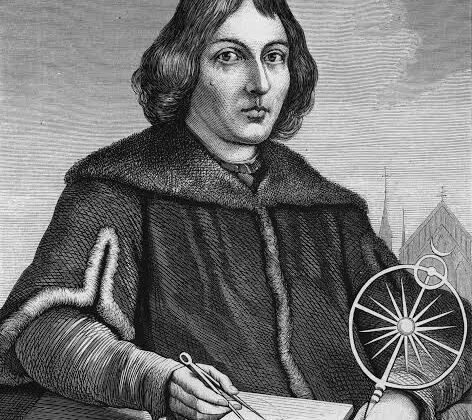
Nicolaus Copernicus

Nicolaus Copernicus (1473–1543) was a Renaissance-era mathematician and astronomer who revolutionized the way we understand the universe by proposing the heliocentric model of the solar system. Born in Toruń, Poland, Copernicus challenged the long-standing Ptolemaic system, which placed Earth at the center of the universe. His groundbreaking work, De Revolutionibus Orbium Coelestium (On the Revolutions … Read more

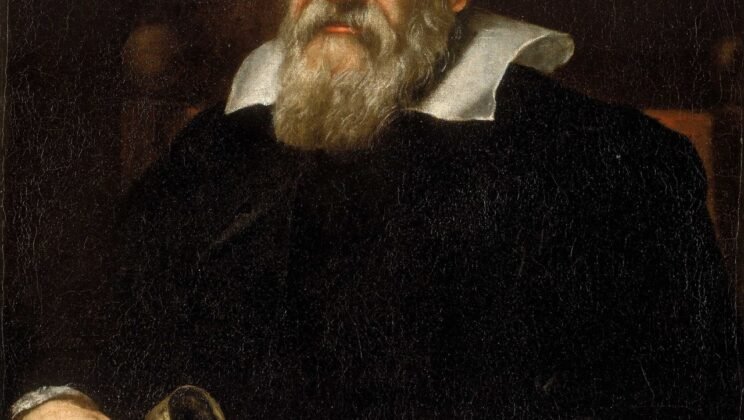
Galileo Galilei

Galileo Galilei (1564–1642) was an Italian astronomer, physicist, and polymath who is often hailed as the “father of modern science.” His contributions to astronomy, physics, and the scientific method revolutionized the way we understand the natural world. Galileo is best known for his use of the telescope to make groundbreaking astronomical observations, such as the … Read more

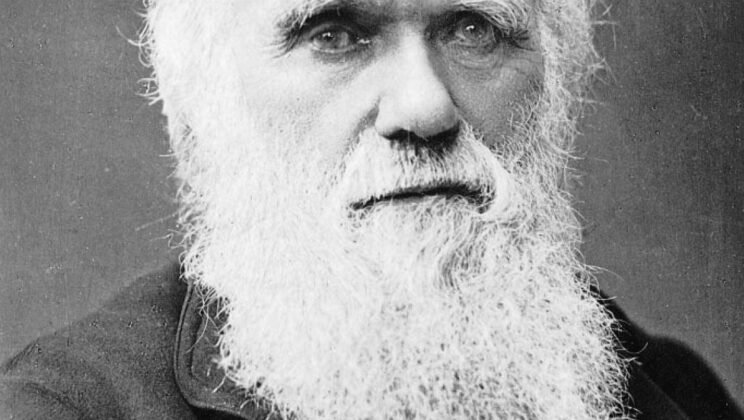
Charles Darwin

Charles Darwin (1809–1882) was a British naturalist, geologist, and biologist whose groundbreaking work laid the foundation for the modern understanding of evolution. Best known for his theory of natural selection, Darwin proposed that species evolve over time through a process where individuals with advantageous traits are more likely to survive and reproduce. His most famous … Read more

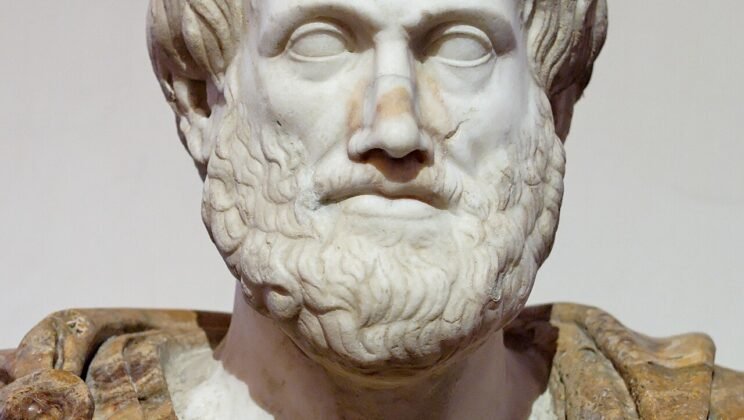
Aristotle

Aristotle (384-322 BCE) was an ancient Greek philosopher and polymath who made enduring contributions to many fields, including philosophy, science, logic, and ethics. A student of Plato and teacher of Alexander the Great, Aristotle’s work laid the groundwork for Western philosophy and science. His writings cover a broad range of subjects, from metaphysics and epistemology … Read more

Isaac Newton

Sir Isaac Newton (1642-1727) was an English mathematician, physicist, astronomer, and one of the most influential scientists in history. His groundbreaking work in mathematics and physics laid the foundation for classical mechanics, revolutionizing our understanding of the natural world. Newton’s seminal work, Philosophiæ Naturalis Principia Mathematica (Mathematical Principles of Natural Philosophy), published in 1687, introduced … Read more

Albert Einstein

Albert Einstein (1879-1955) was a renowned theoretical physicist whose groundbreaking work fundamentally reshaped our understanding of the universe. Born in Ulm, Germany, Einstein is best known for developing the theory of relativity, including the famous equation (E=mc²), which describes the equivalence of mass and energy. His contributions to theoretical physics extended beyond relativity; he also … Read more

Abraham

Abraham is a significant figure in the religious traditions of Judaism, Christianity, and Islam, often referred to as the “father of faith.” According to the Hebrew Bible, Abraham was called by God to leave his homeland and journey to a new land, where he would become the progenitor of a great nation. He is revered … Read more

Moses

Moses is a central figure in the religious traditions of Judaism, Christianity, and Islam, revered as a prophet, leader, and lawgiver. According to the Hebrew Bible, Moses was born in Egypt at a time when the Israelites were enslaved by the Pharaoh. He is best known for leading the Israelites out of Egyptian bondage in … Read more

Jesus

Jesus of Nazareth, also known as Jesus Christ, is a central figure in Christianity, revered by Christians as the Son of God and the awaited Messiah (Christ) prophesied in the Old Testament. Born in Bethlehem around 4 B.C. and raised in Nazareth, Jesus’ life and teachings are recorded in the New Testament of the Bible. … Read more

Buddha

Buddha, also known as Siddhartha Gautama (circa 563-483 BCE), was the founder of Buddhism and is considered one of the most influential spiritual leaders in history. Born in Lumbini, in present-day Nepal, Siddhartha was a prince who renounced his royal life in search of enlightenment and a solution to human suffering. After years of ascetic … Read more

Muhammad

Muhammad (circa 570-632 CE) was the founder of Islam and is considered by Muslims to be the last prophet sent by God. Born in Mecca, in present-day Saudi Arabia, Muhammad received revelations from God through the angel Gabriel over a period of 23 years, which were later compiled into the Qur’an, the holy book of … Read more